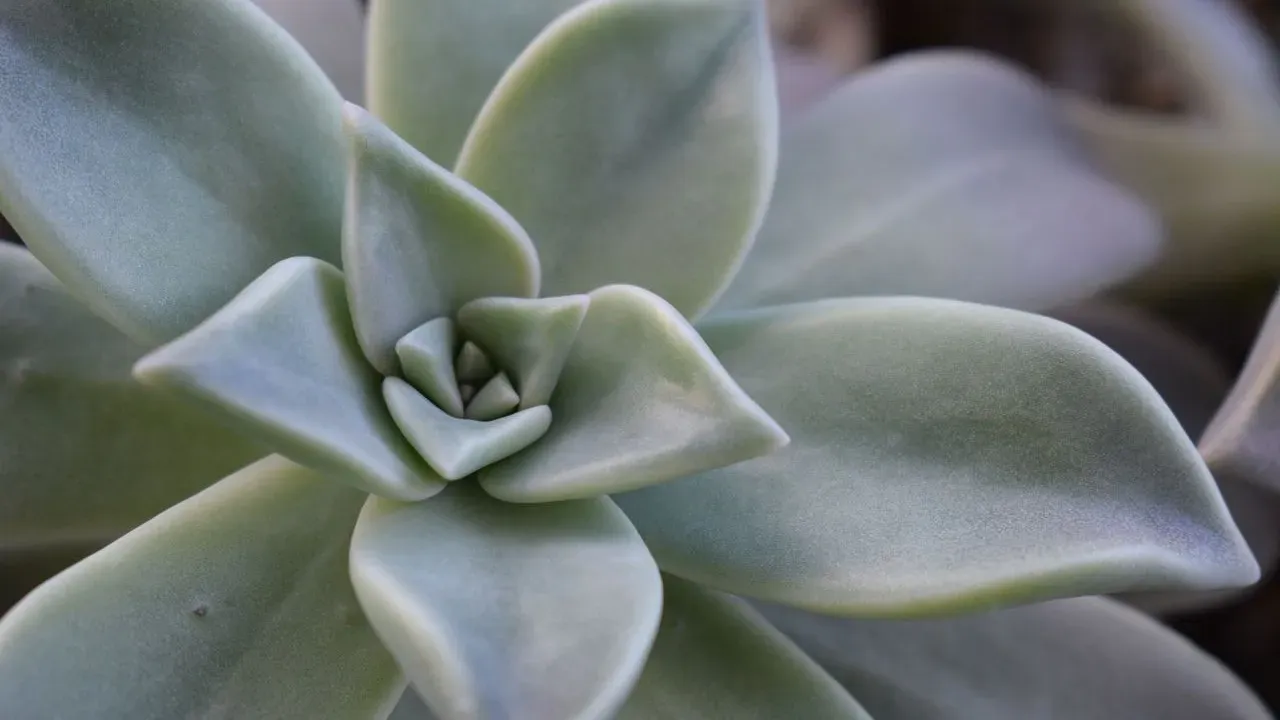

Gardeners seeking a distinctive yet undemanding plant often overlook hybrids that combine striking color shifts with straightforward care. Graptosedum ‘Ghosty’ stands out for its pale rosettes that develop pink and orange tones under full sun, along with clusters of yellow star-shaped flowers. This low-maintenance option suits outdoor beds in warmer climates or indoor collections where space allows trailing growth. ([1])
A Hybrid With Subtle Drama
The plant forms trailing rosettes that remain mostly pale until sunlight intensifies the blush. Full exposure brings out the pink and orange hues that give the cultivar its visual appeal. Yellow blooms appear in season, adding another layer of interest without demanding extra attention. This combination makes ‘Ghosty’ a quiet standout among more common succulents that stay uniformly green or gray.
Its hybrid nature contributes to reliable performance across a range of conditions. Gardeners in suitable climates can plant it once and enjoy the changing palette through the seasons. The trailing habit also lends itself to containers or hanging displays where stems can spill over edges.
Where It Performs Best
‘Ghosty’ thrives in USDA Zones 9 to 11 when grown outdoors. These regions provide the warmth and light levels the plant needs to develop its signature colors without winter damage. In cooler areas, it adapts readily to indoor life as a houseplant placed near bright windows.
Both settings reward consistent but moderate care. Outdoor specimens benefit from well-drained soil that mimics their natural preferences, while indoor plants require similar conditions in pots. The plant tolerates the typical dry spells that challenge many other houseplants.
Practical Care Steps
Site selection comes first. Full sun encourages the pink and orange shading, though some afternoon shade in the hottest zones prevents leaf scorch. Watering should remain infrequent once established, allowing the soil to dry between sessions.
Soil quality matters more than frequent feeding. A gritty, fast-draining mix prevents root issues that plague succulents in heavier earth. Occasional fertilizer during active growth supports steady development without pushing excessive foliage at the expense of color.
Pruning keeps the trailing stems tidy and encourages branching. Removing spent flowers or damaged leaves maintains appearance while limiting the spread of any localized problems. These steps remain minimal compared with higher-maintenance garden plants.
Long-Term Value in the Garden
Once placed correctly, ‘Ghosty’ delivers ongoing interest with little intervention. The color shift provides seasonal variation that many static succulents lack. Its adaptability between garden beds and indoor pots extends its usefulness across different living situations.
Gardeners who value reliability alongside visual appeal find this hybrid fits neatly into existing collections. The low demands align with busy schedules or novice growers who prefer plants that forgive occasional neglect. Over time, the trailing rosettes create soft cascades that soften hard edges in containers or rock gardens.
AI Disclaimer: This article was created with the assistance of AI tools and reviewed by a human editor.