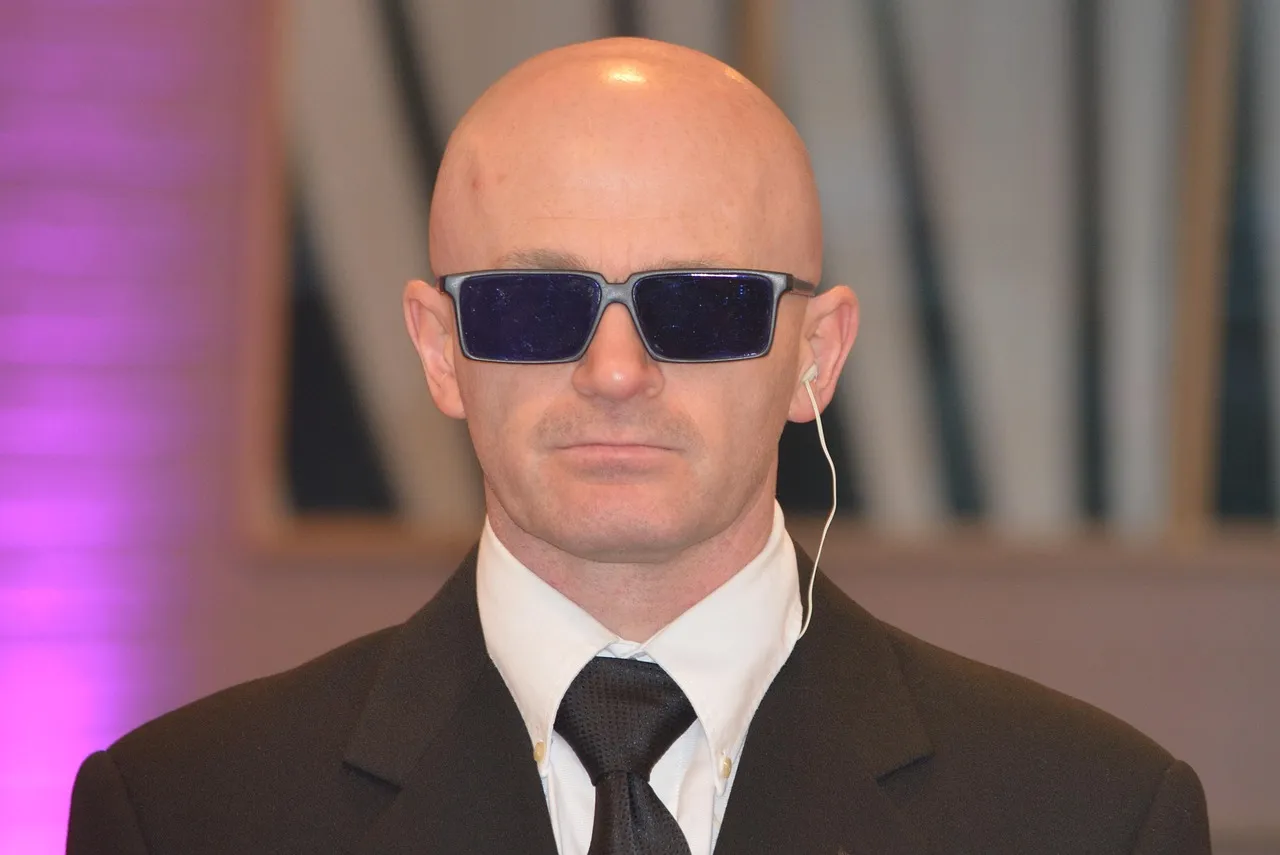

A New York Times dining report on restaurant bouncers offers a blunt message for anyone hoping to chat with the staff at the front: no, you cannot talk to the host. The rule points to a shift in how some of the most talked-about new restaurants handle their entrances. The velvet rope has long belonged to nightclubs, yet at certain dining rooms the first test of the evening now happens before a diner sees a menu. ([1])
From nightclub rope to dining room door
Would-be patrons who tried to get into Rick Bayless’ month-old Red O restaurant on Melrose without reservations were turned away at the door by a burly man in a suit holding a clipboard. The restaurant, which is in West Hollywood, had become so popular that it booked up in the first month, leaving the door as the main point of control.
The practice is not entirely new to the restaurant trade. Bouncers are employed at venues including bars, casinos, billiard halls, movie theaters, and restaurants, and the role is often required where crowd size or clientele calls for it. What changes in a dining room is the stakes for the guest, who may be standing outside a restaurant they came to eat in rather than dance in.
Door host or bouncer? The title matters
Those who represent the restaurant pushed back on the bouncer label. A PR firm working with the restaurant said the man with the clipboard was not a bouncer but a “door host,” and the restaurant planned to give him a host stand out front to make that distinction clearer. The firm framed the goal around the guest experience, saying the owners wanted people to feel looked after from the moment they walked in.
The role itself carries a practical job. The door host controls the flow of traffic into the restaurant, and would first make sure a guest has a reservation before letting them in.
What diners should expect at the door
Reservations may be checked before a guest is admitted. Hosts at the entrance are not open to casual conversation, according to the New York Times report. Staff may be there to manage crowds as well as to seat guests.
Hospitality or security?
The debate over who should stand at the door is not limited to one restaurant. Restaurateur David Haskell, who has worked in the industry for 17 years, argued that a properly trained hospitality professional would make bouncers unnecessary, and said a host could have asked guests to wait outside for 15 minutes when the bar was too full.
The question grew more urgent during the pandemic. Hosts and greeters became a more visible part of restaurant staffing as businesses adapted to new conditions. In some restaurants, management hired bouncers to keep hosts and greeters safe and to check vaccination statuses. That arrangement placed staff in a difficult position, and one trade report warned that it could make hosts “enforcement” officers, a role that can be uncomfortable and even dangerous.
The stakes became clear in at least one case. In New York, a host was attacked by a group of tourists when she asked for proof of vaccination. Such incidents explain why many restaurants keep the front of the house focused on hospitality while security roles stay in the background.
For diners, the lesson is practical. A reservation, a calm approach, and patience at the entrance can matter as much as the menu when a restaurant is in high demand. For owners, the challenge is balancing a full room with courtesy, so the first person a guest meets feels like a welcome rather than a checkpoint.
AI Disclaimer: This article was created with the assistance of AI tools and reviewed by a human editor.