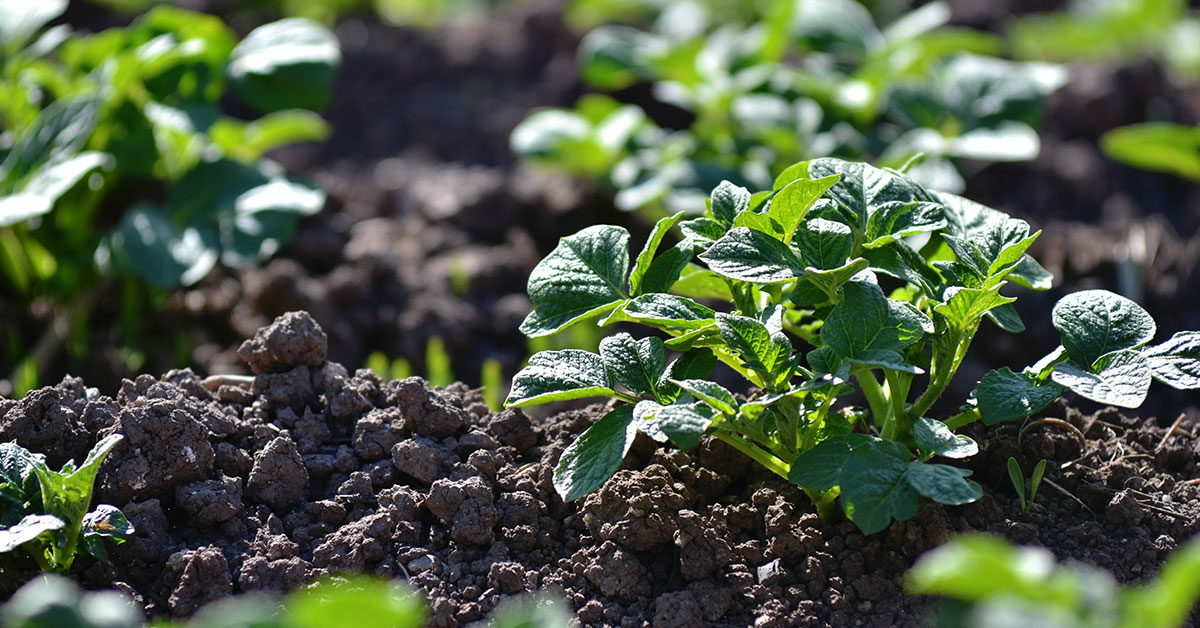

When it comes to cultivating the finest potatoes, one variety that stands out among the rest is the German Butterball Potato.
Known for its rich, buttery flavor and creamy texture, the German Butterball has become a favorite among gardeners and food enthusiasts alike.
In this article, we will explore the art of growing German Butterball Potatoes, from selecting the right seed potatoes to providing ideal growing conditions.
What is a German Butterball Potato?
The German Butterball Potato, also known simply as the Butterball Potato, is a versatile and flavorful variety of potato that originates from Germany. It is highly regarded for its creamy texture, rich buttery flavor, and golden yellow flesh. This particular potato variety is loved by chefs and home cooks alike for its outstanding taste and ability to be used in a wide range of dishes.
The German Butterball Potato features a thin, light brown skin that is often described as buttery and delicate. Its flesh is waxy and moist, making it perfect for boiling, steaming, and mashing. The buttery flavor of this potato variety is often compared to that of roasted chestnuts or hazelnuts, adding a unique and delicious taste to any dish it is used in.
With its high starch content, the German Butterball Potato is also great for baking and frying. It retains its shape well, making it ideal for dishes like roasted potatoes, potato salads, and even French fries. The creamy texture of the potato, combined with its buttery flavor, ensures a delightful culinary experience.
The German Butterball Potato is a favorite among gardeners as well, as it is relatively easy to grow and has good resistance to diseases and pests. It thrives in cool climates and is typically harvested in late summer or early fall. Whether you grow it in your own backyard or purchase it from a local farmer’s market, the German Butterball Potato is sure to impress with its delicious taste and versatility in the kitchen.
What does German Butterball Potato taste like?
First and foremost, this type of potato has a creamy and buttery flavor that is unrivaled by many other varieties. Its golden flesh is smooth and moist, which gives it a velvety texture when cooked. When you take a bite, you’ll immediately notice a subtle nuttiness that adds depth to its flavor profile.
One of the reasons why the German Butterball potato is so highly regarded is its versatility in the kitchen. It can be prepared in various ways, such as roasting, boiling, or mashing, and its flavor remains consistent across all cooking methods. Whether you choose to bake it to perfection, make crispy roasted potatoes, or create a creamy mashed delight, the taste of the German Butterball potato shines through.
When cooked, the German Butterball potato develops a slightly sweet undertone that balances out its rich buttery notes. This natural sweetness makes it a fantastic choice for a wide range of dishes, from simple sides to more complex potato-based recipes. It pairs well with herbs, spices, and other ingredients, making it a go-to option for chefs and home cooks alike.
In terms of texture, the German Butterball potato is pleasantly firm and holds its shape well when cooked. This makes it an excellent choice for dishes that require a potato that doesn’t turn mushy, such as potato salads or soups. Its smooth skin adds to its appeal, as it doesn’t require peeling in many recipes, saving both time and effort.
How to start from seed
To start growing German Butterball Potatoes, it’s important to choose high-quality seed potatoes. Look for certified seed potatoes from a reputable supplier or garden center. These potatoes should be disease-free and firm to the touch. When selecting seed potatoes, opt for those that have at least one or two “eyes” or sprouting buds. This will ensure successful growth once planted.
Preparing the Seed Potatoes:
Before planting, it’s essential to prepare the seed potatoes to ensure successful growth. Start by cutting the seed potatoes into 1-2 inch chunks, making sure that each piece has at least one “eye” or bud. This will serve as the starting point for the new potato plant to sprout.
Curing the Seed Potatoes:
After cutting the seed potatoes, it’s crucial to let them cure for a few days before planting. Place the seed potato pieces in a cool, dry location with good air circulation. This process allows the cut surfaces to heal and prevents them from rotting when planted in the soil.
Preparing the Planting Area:
German Butterball potatoes thrive in loose, well-draining soil. Choose a sunny spot in your garden that receives at least six to eight hours of direct sunlight each day. Prepare the planting area by loosening the soil with a garden fork or tiller. Remove any rocks, weeds, or debris that could hinder the growth of your potato plants.
Planting the Seed Potatoes:
Once the seed potatoes have cured, it’s time to plant them in the prepared soil. Dig shallow trenches or individual holes, spacing them about 12-15 inches apart. Place the seed potato pieces, cut side down, into the soil, ensuring that the eye is facing up. Cover the potatoes with soil, leaving about 2-3 inches of soil above the planted seed.
Caring for German Butterball Potatoes:
Proper care is essential to ensure the healthy growth of your German Butterball potatoes. Water the planted potatoes thoroughly after planting, ensuring that the soil remains consistently moist but not waterlogged. As the plants grow, monitor the moisture levels, aiming to keep the soil evenly moist.
Hilling:
Hilling, or the process of gradually adding soil around the growing potato plants, is an essential step in potato cultivation. Once the plants reach a height of around 6 inches, gently mound soil around the base of the plants, covering the lower leaves. This helps to protect the developing tubers from sunlight and prevents them from turning green.
Pest and Disease Control:
German Butterball potatoes are generally resistant to many common potato diseases. However, it’s always a good idea to monitor your plants for any signs of pests or diseases. Regularly inspect the foliage for signs of pests like aphids or Colorado potato beetles, and take appropriate action if necessary. Applying organic insecticides or using natural pest control methods can help protect your potato plants.
How to grow this plant in your garden
German Butterball Potatoes thrive in well-draining soil that is rich in organic matter. Before planting, prepare the soil by removing any weeds or debris and loosening it with a garden fork or tiller. Incorporate compost or well-rotted manure to improve soil fertility and drainage. Aim for a slightly acidic to neutral pH level, around 5.8 to 6.5, for optimal potato growth.
Planting German Butterball Potatoes:
Planting German Butterball Potatoes is relatively straightforward. Begin by cutting larger seed potatoes into smaller pieces, ensuring each piece has at least one or two sprouting buds. Allow the cut pieces to dry for a day or two to prevent rotting.
Dig trenches in the prepared soil, about 4-6 inches deep and 12-15 inches apart. Place the seed potatoes, with the sprouting buds facing upwards, into the trenches, spacing them around 12 inches apart. Cover the potatoes with soil, leaving a small mound or ridge to aid in drainage.
Caring for German Butterball Potatoes:
Once the German Butterball Potatoes are planted, proper care is essential for healthy growth and a bountiful harvest. Regularly water the plants to keep the soil evenly moist, but be cautious not to overwater as this can lead to rotting. As the plants grow, gradually mound soil around them to encourage the formation of additional tubers.
German Butterball Potatoes benefit from regular fertilization. Apply a balanced organic fertilizer according to package instructions, or side-dress the plants with compost or well-rotted manure. This will provide the necessary nutrients for vigorous growth.
Harvesting German Butterball Potatoes:
The exciting part of growing German Butterball Potatoes is the harvest! Depending on the climate and growing conditions, the potatoes will be ready for harvest in approximately 90-120 days after planting. Keep an eye out for yellowing foliage and dying back of the plants, as these are signs that the tubers are maturing.
To harvest, gently dig around the plants with a garden fork or shovel, being careful not to damage the potatoes. Lift the tubers from the soil and brush off any excess dirt. Allow the potatoes to cure in a cool, well-ventilated area for a few days before storing them in a cool, dark place.