
The Comfort Factor: Why Both Still Win Hearts
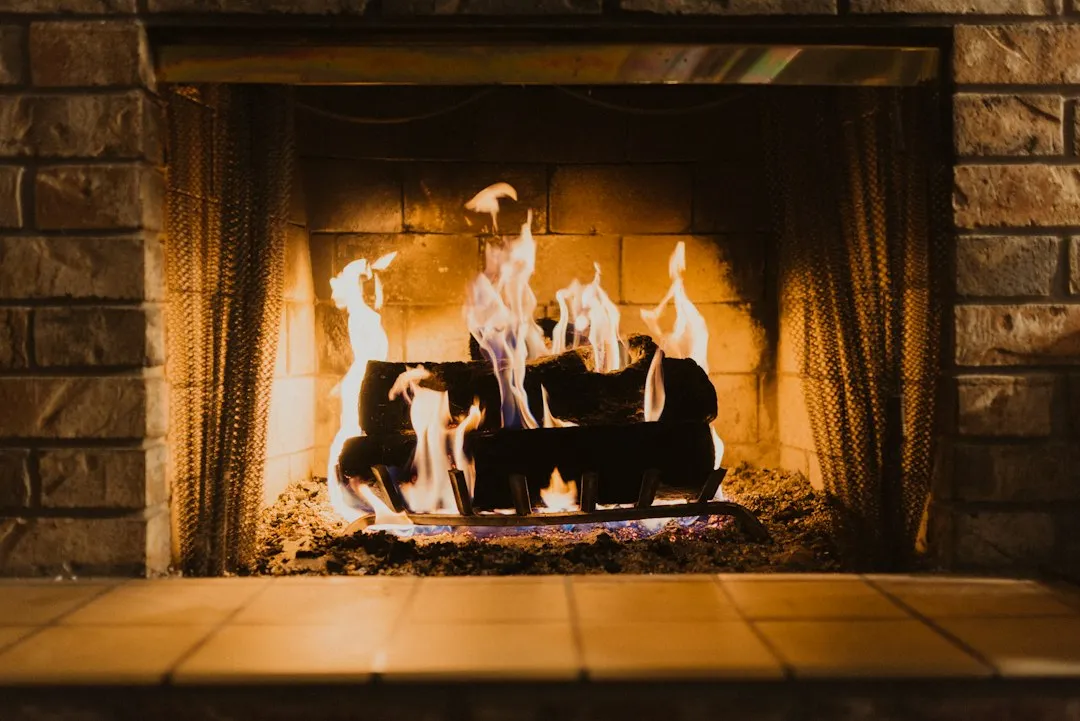
For many buyers and homeowners, a wood-burning fireplace remains something of an ultimate dream. The crackle of real logs, the natural scent of burning wood, and the authentic warmth create an ambiance that no gas unit can fully replicate. They also carry a sense of tradition and nostalgia that appeals strongly to anyone who wants that classic home feeling.
The rise of gas fireplaces in recent years has been impressive and easy to understand. These fireplaces provide heat almost instantaneously, are easy to maintain, and give homeowners much more control over temperature and flame settings.
Whether it’s a wood-burning or gas fireplace, you can enjoy the ambiance and supplemental warmth of a fireplace in your space. Both also contribute to a cozy, inviting atmosphere with the low, warm light of the flames. The difference lies in what you’re willing to do to maintain that atmosphere.
Heating Efficiency: The Numbers Are Not Even Close
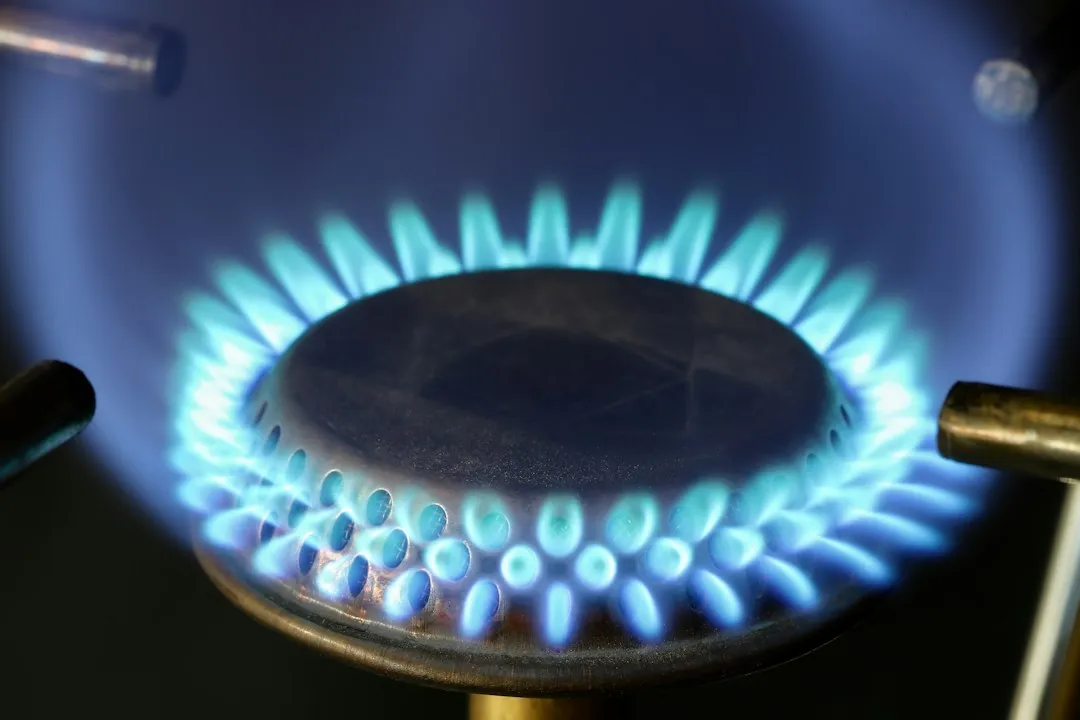
Gas models offer efficiency ratings in the range of seventy to ninety percent, meaning they heat spaces effectively. Wood fireplaces, by contrast, lose heat through the chimney, with an efficiency rating of only around ten to thirty percent unless they are fitted with modern inserts.
Traditional fireplaces are usually not counted as a heat source, because most of their heat goes up the chimney, and they can actually draw warm air out of the house. That’s a significant point. You can be burning wood in a room and still feel a draft.
This gap in efficiency has real-world consequences on your monthly energy costs, especially in colder climates where the fireplace does heavy lifting during the heating season. Gas simply performs better as a heating appliance on almost every measurable scale.
Installation and Upfront Costs: What You’ll Actually Pay
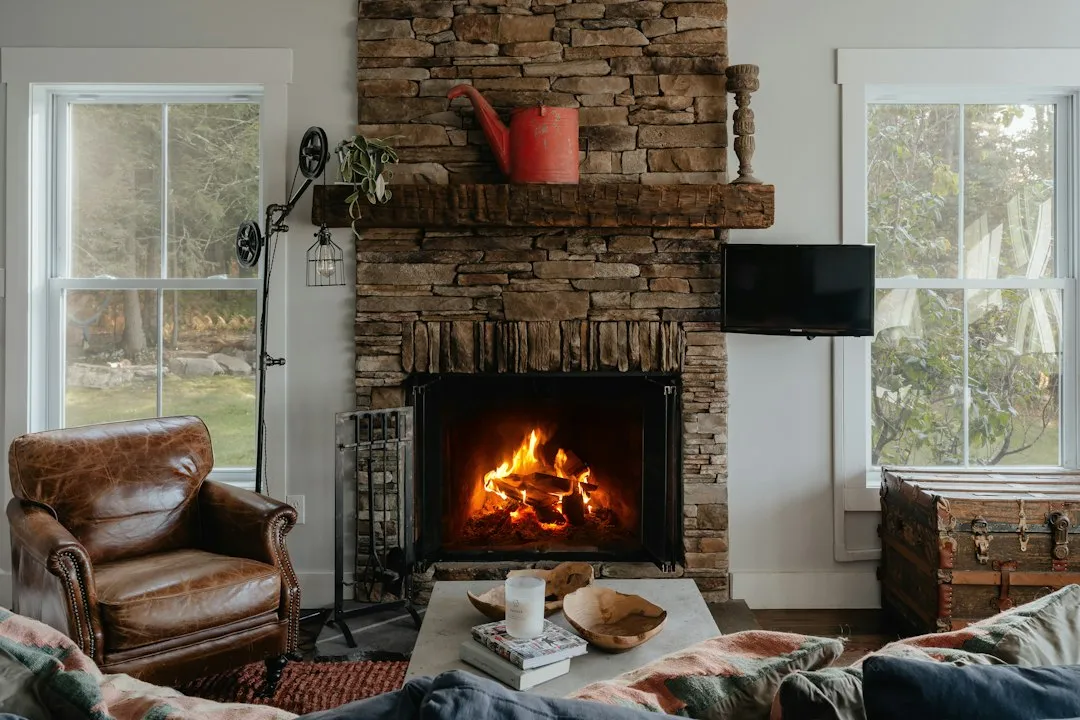
On average, installing a gas fireplace insert costs around $3,700, with a typical range from $2,300 to $8,000. That range moves depending on venting requirements, the complexity of the gas line run, and the finish materials you choose around the surround.
Wood-burning fireplaces carry the highest installation cost because they require either a full masonry chimney system or a prefabricated metal chimney, both of which are substantial structural additions to the home. This makes them more expensive upfront, often ranging between $5,000 and $10,000 or more depending on design and custom work.
The single line item that surprises homeowners most when choosing gas is extending a gas line from the nearest supply point to the fireplace location. Per HomeAdvisor 2025 data, gas line installation costs between $12 and $25 per linear foot, with a minimum mobilization charge of $200 to $400. A thirty-foot run from the basement to a main floor fireplace can cost $560 to $1,150 in materials and licensed plumber labor.
Ongoing Operating Costs: Gas vs. Wood Year to Year
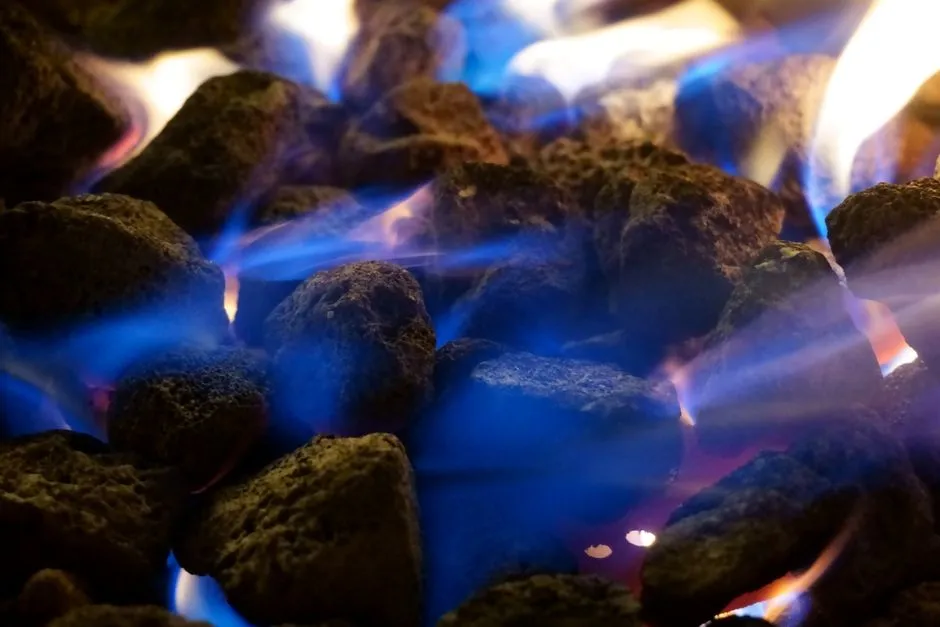
The average cost to operate a gas fireplace in the USA is roughly $0.56 per hour on natural gas and about $0.83 per hour on propane for a typical 30,000 BTU unit at current 2025 energy prices. Run it for three hours on a winter evening and you’re spending well under two dollars.
Maintenance for gas requires minimal upkeep overall, while wood needs regular chimney cleaning and ash removal. Those chimney cleaning visits typically happen once a year, and professional sweeps are not free. Over ten years, the maintenance costs on a wood-burning fireplace add up considerably.
Wood fuel itself can be inexpensive if you source it locally or cut your own, but the price of cord wood varies significantly by region. Per U.S. Energy Information Administration 2025 residential energy survey data, cord wood runs roughly $250 to $400 per cord in moderate use scenarios. A cold winter can easily require two or more cords.
The Air Quality Problem: Wood Smoke Is a Serious Health Concern
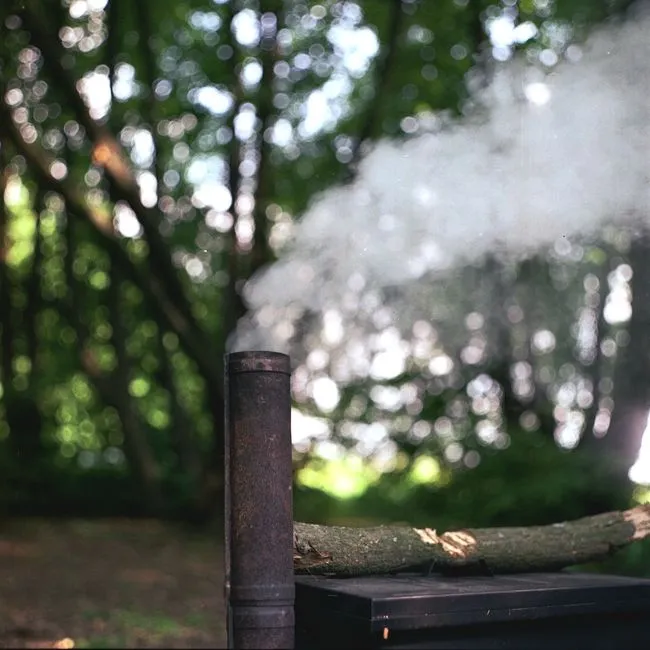
Home fireplaces and wood stoves are quietly driving a large share of winter air pollution, even though only a small number of households rely on wood heat. Researchers found that wood smoke accounts for over one-fifth of Americans’ winter exposure to dangerous fine particles linked to heart disease and early death.
Smoke from wood-burning stoves and fireplaces contains a mixture of harmful gases and particulate matter known as PM2.5. Breathing these small particles can cause asthma attacks and severe bronchitis, aggravate heart and lung disease, and may increase the likelihood of respiratory illness.
Residential wood smoke emits more PM2.5 pollution than both on-road vehicles and non-road vehicles combined, and five times more PM2.5 pollution than petroleum refineries, cement manufacturers, and pulp and paper plants combined. That statistic, from the EPA’s National Emissions Inventory, tends to stop people in their tracks.
Indoor Air Quality: The Risk Inside Your Own Home

Overall, when stoves are used regularly for around four hours, the level of fine particles inside homes increased by three times compared to when stoves were not in use. That finding comes from a monitored study where researchers installed air quality sensors inside participating households.
A study from Spain concluded that people in a living room with an open fireplace are exposed to high levels of indoor pollution, with particles in a size range that will be deposited in the bronchioles and alveoli with significant detriment to health.
People at greater risk from wood smoke include older adults, children and teenagers, and people with heart or lung disease and asthma. Pregnant people may also want to take precautions to protect the health of their babies. Gas fireplaces, by comparison, produce no particulate matter when properly vented.
Maintenance and Safety: What Each Option Demands
With wood-burning fireplaces, it is unsafe to leave a fire unattended. Even when ashes seem cold and the fire has died out, a fire can start from glowing embers. That’s not a minor inconvenience. It changes how you use the room and when you can leave for the night.
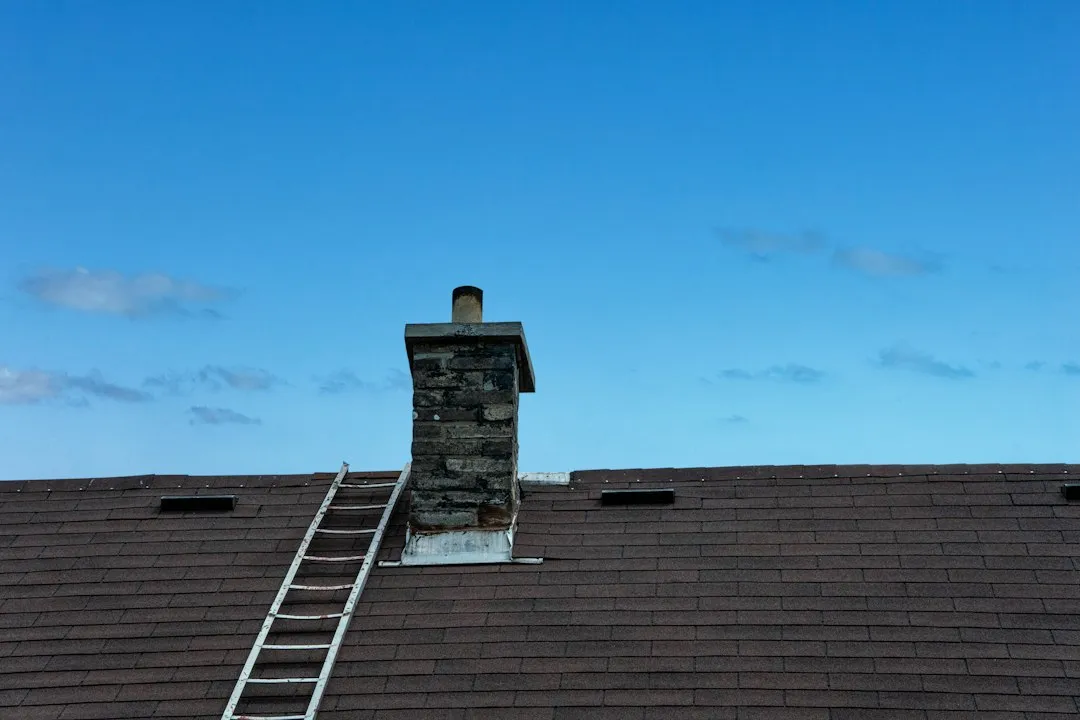
Fire code standards mandate that chimneys should be inspected once a year by a professional chimney sweep in order to prevent the buildup of creosote, which can cause dangerous chimney fires. Chimney fires result from layers of creosote building up in the chimney. Creosote is a natural by-product of burning wood, formed by carbon compounds and resins in the wood along with water vapor.
Gas fireplaces are not entirely maintenance-free either. Annual servicing by a certified technician is still recommended to check the burner, the gas connections, and the venting system. The difference is that a gas service call is typically shorter, less messy, and often less expensive than a full chimney inspection and sweep.
Environmental Impact: A More Nuanced Picture Than Expected
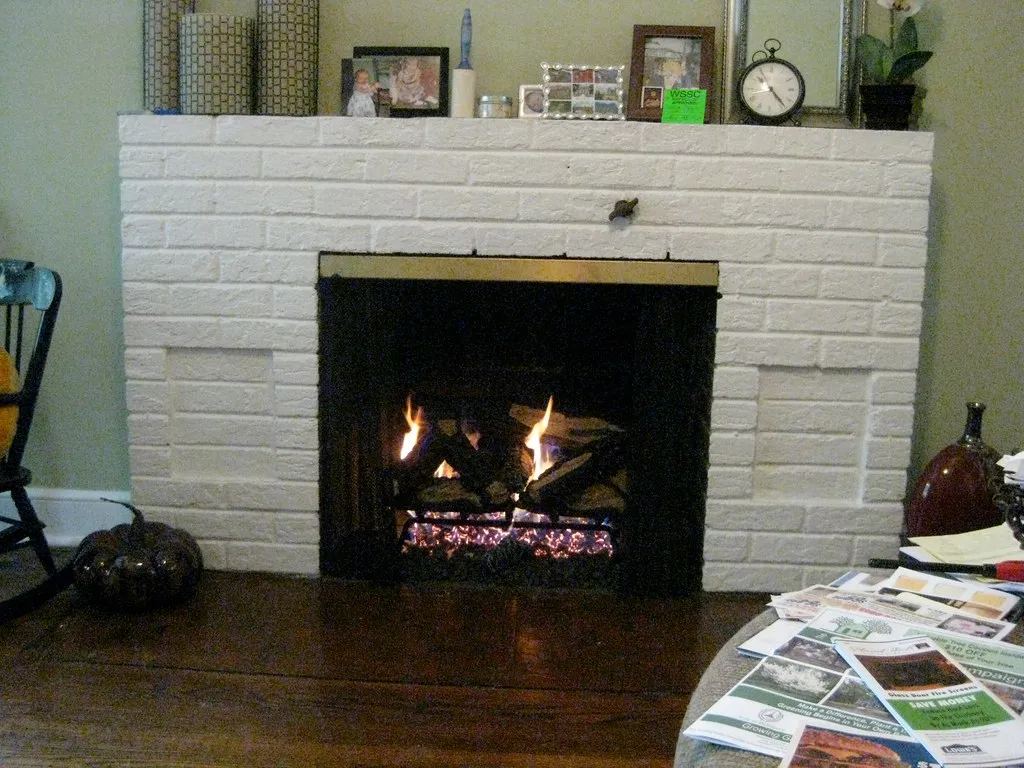
Gas fireplaces burn cleaner and emit fewer pollutants than wood-burning ones, making them a more eco-friendly option in most practical scenarios. Wood is a renewable resource, which some homeowners prefer for a more traditional or sustainable feel, but the actual emissions picture is more complicated than simply calling wood natural.
Wood smoke adds carbon dioxide and methane to the air, two pollutants that contribute significantly to climate change. Burning wood is not carbon neutral and actually releases more carbon dioxide than coal or gas per unit of heat delivered.
Gas fireplaces burn cleaner, with fewer emissions than wood. Some cities are already tightening regulations around wood-burning fireplaces due to air quality concerns. Several major urban areas in the United States and Europe now restrict wood burning on high-pollution days, which is a trend worth watching for homeowners considering a long-term installation.
Home Value and Resale Appeal: Which One Buyers Prefer
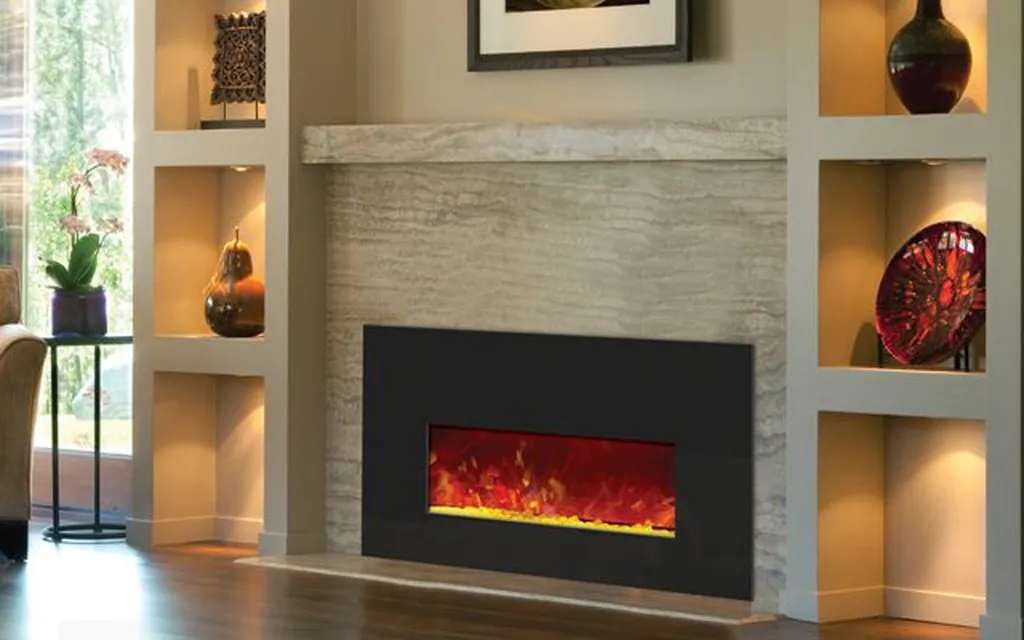
According to National Association of Realtors data, a gas fireplace is estimated to increase home value by $5,000 to $12,000, with a return on investment of roughly seventy to eighty percent on a typical $6,000 to $8,000 project. That’s a meaningful return in most housing markets.
A fireplace adds comfort, ambiance, and lifestyle appeal, which are emotional triggers that sway buyers. That’s why the type of fireplace, whether wood or gas, matters so much. In practice, modern buyers increasingly favor gas for the convenience factor, though regional preferences vary significantly.
In rural and suburban markets with older housing stock, a traditional wood-burning fireplace can still be a strong selling point. In newer urban construction and condominiums, gas is almost universally preferred. Knowing your local market before you install matters as much as knowing your own preferences.
EPA Certification and Newer Wood-Burning Standards
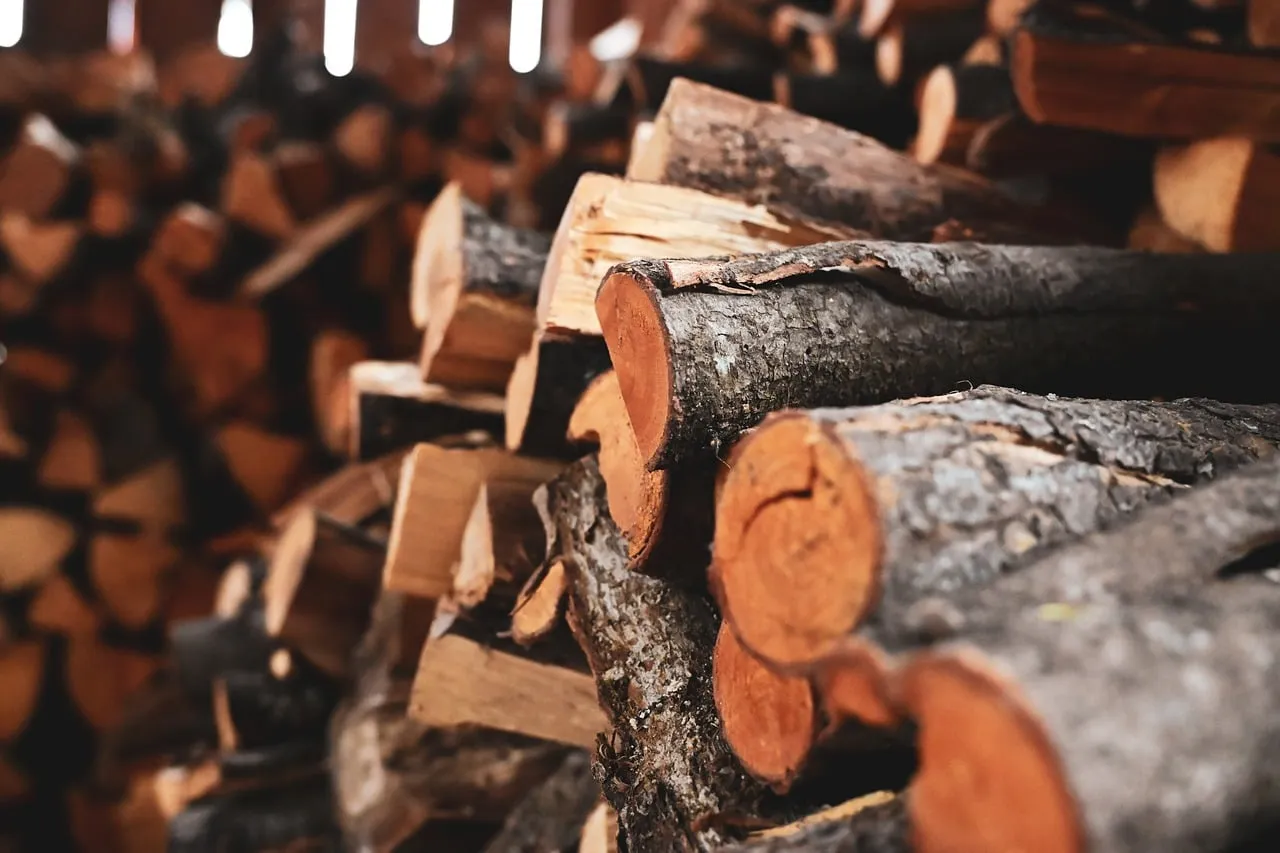
EPA 2020 certification requirements mandate that all new wood-burning appliances meet Phase 2 emission standards of 2.0 grams of particulate matter per hour. This tightened the rules significantly compared to older, uncertified stoves and fireplaces that are still common in existing homes.
The EPA estimates that roughly sixty-five percent of the woodstoves currently in use in the U.S. are older devices that produce significant pollution and do not burn efficiently. That’s a large share of installed equipment that falls well outside current standards.
EPA-certified wood fireplaces or inserts introduced under updated standards can reduce emissions and improve efficiency meaningfully. Properly installed EPA-certified wood stove and fireplace inserts burn wood more efficiently, more safely, and heat your home effectively with much less smoke. For homeowners committed to wood, upgrading to a certified insert is the single most impactful step available.
The Takeaway
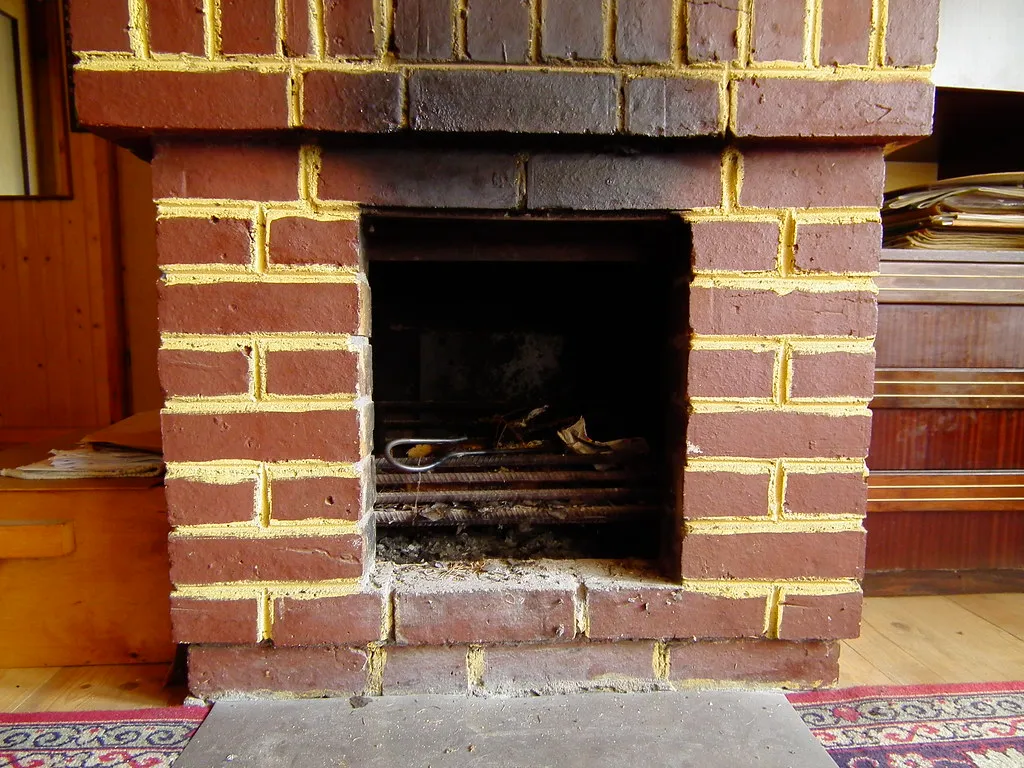
Both fireplaces can work beautifully in the right home, the right climate, and with the right owner. Gas wins on efficiency, indoor air quality, safety, convenience, and low ongoing maintenance. Wood wins on atmosphere, authenticity, and independence from utility lines.
The evidence from health research, the EPA, and energy cost data does make one thing clear: if you have respiratory concerns, young children, elderly family members, or simply want a worry-free heating source, gas is the safer and more practical choice for most households in 2026.
Wood fire still holds something that science hasn’t found a way to bottle. But if you’re choosing between the two, go in with eyes open about what each option actually demands of you, your air quality, and your wallet over the long run.
AI Disclaimer: This article was created with the assistance of AI tools and reviewed by a human editor.