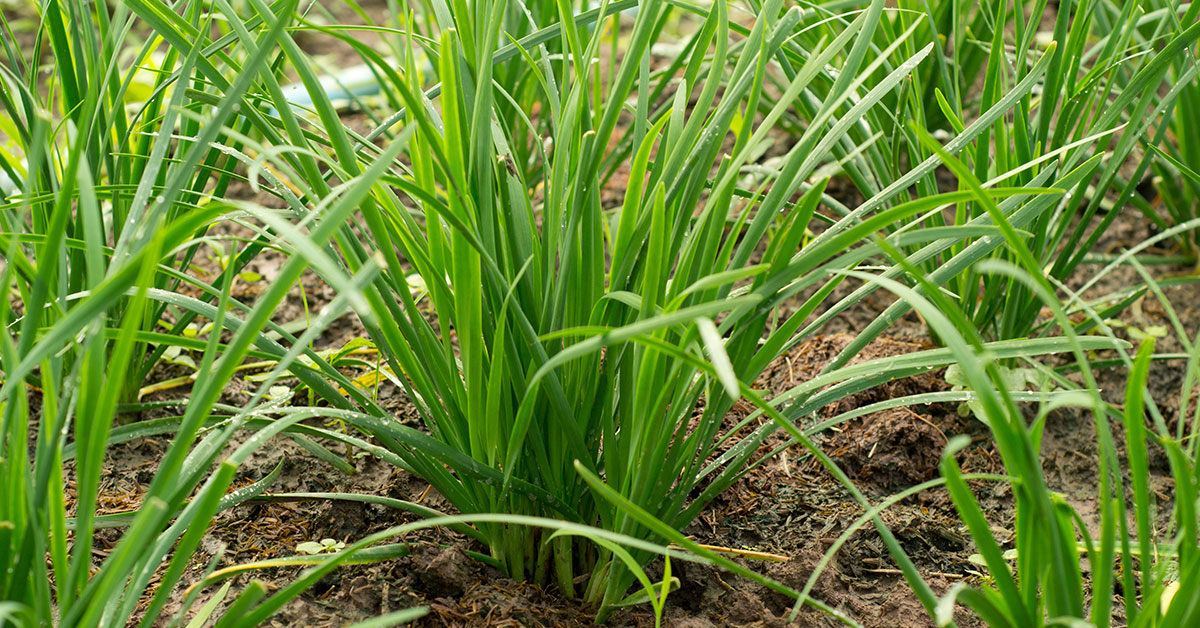

Garlic chives (Allium tuberosum) are a versatile herb that are commonly used in Asian cuisine and can be grown in a home garden. In this article, we will provide you with information on what garlic chives are, how to grow and care for them, and how to use them in your cooking.
What are Garlic Chives?
Garlic chives, also known as Chinese chives, are a perennial herb that belongs to the onion family closely related to other types of chives. They have long, flat, and grass-like leaves that are about 8-12 inches in length. It has a distinct garlic flavor and are commonly used in Chinese and Southeast Asian cuisine. They are a great addition to stir-fries, dumplings, and noodle dishes.
What do Garlic Chives taste like?
Garlic chives (Allium tuberosum) have a distinctive and delicious garlic flavor that is milder and sweeter than regular garlic. They are commonly used in Asian cuisine, particularly in Chinese and Southeast Asian dishes.
The leaves have a grassy texture and a delicate flavor that can add a subtle garlicky note to soups, stir-fries, and noodle dishes. The flavor of garlic chives is more subtle and delicate than regular garlic, making them a great addition to dishes that require a more mild garlic flavor.
Overall, garlic chives have a fresh and aromatic taste that is a great addition to many different types of dishes.
Growing Garlic Chives
Garlic chives are easy to grow and require minimal care. Here are some steps on how to grow this herb in your garden:
- Location: This herb prefers a sunny location with well-draining soil. They can also tolerate partial shade.
- Planting: Garlic chives can be grown from seeds or transplants. Plant seeds or transplants in the spring or fall, about 6 inches apart. Cover the seeds with a thin layer of soil and water them well.
- Watering: They require moderate watering. Water the plant deeply once a week during the growing season. Avoid overwatering, as this can lead to root rot.
- Fertilization: They do not require much fertilization. You can add compost or well-rotted manure to the soil around the base of the plant in the spring to provide it with nutrients.
- Maintenance: This herb is a low-maintenance plant that requires minimal care. Prune the plant regularly to encourage bushier growth and prevent it from becoming too leggy. Cut back the plant by one-third to one-half in the spring.
Harvesting and storing
Garlic chives can be harvested when the leaves are about 6-8 inches long. Here are some tips on how to harvest garlic chives:
- Timing: Harvest when the leaves are young and tender for the best flavor. The best time to harvest garlic chives is in the morning after the dew has dried.
- Method: Cut the leaves about 1 inch above the ground with a sharp pair of scissors or garden shears. Leave some leaves on the plant to continue growing.
- Storage: Store the leaves in a plastic bag or airtight container in the refrigerator for up to one week.
Drying your chives
Drying garlic chives is a simple process that involves removing the excess moisture from the leaves and stems to preserve their flavor and aroma. Here’s how to do it:
- Harvest the garlic chives: Pick the chives early in the day, after the dew has dried, but before the sun is too hot. Choose healthy-looking chives with vibrant green leaves and firm stems.
- Wash and dry the chives: Rinse the chives under cool running water to remove any dirt or debris. Pat them dry with a clean towel or paper towel to remove excess moisture.
- Tie the chives into bundles: Gather a small handful of chives and tie them together with a string or twist tie. Leave enough room between the stems to allow for air circulation.
- Hang the chives upside down: Hang the bundles of chives upside down in a cool, dry, and well-ventilated place. You can use a drying rack, a clothesline, or a hook. Make sure the chives are not in direct sunlight.
- Wait for the chives to dry: Depending on the humidity and temperature, it may take a few days to a week for the chives to dry completely. Check on them regularly to make sure they are drying evenly and not developing mold.
- Store the dried chives: Once the chives are dry, remove the leaves from the stems and store them in an airtight container. Keep the container in a cool, dry place away from direct sunlight. The dried chives will keep for up to a year.