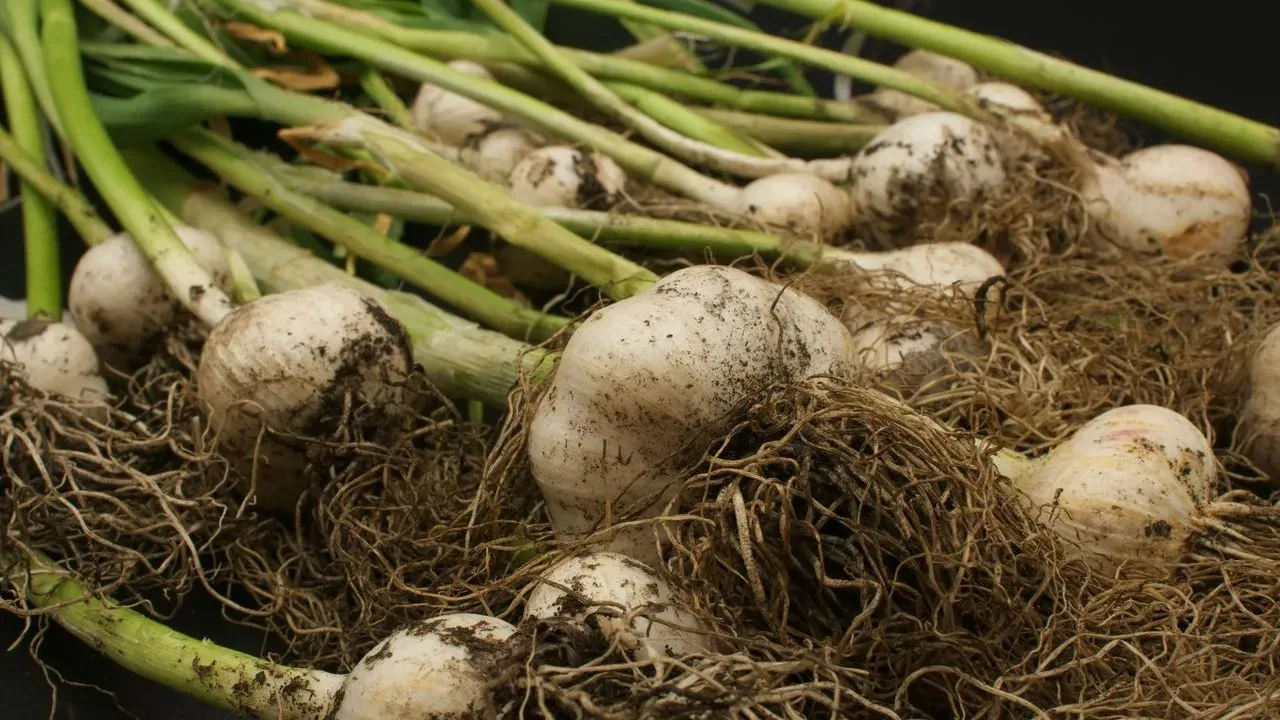

Gardeners preparing beds this season often face a familiar dilemma: ordering too much seed garlic or falling short when it comes time to plant. A practical tool now available online helps determine the precise quantity needed for any given space, reducing waste and ensuring even coverage. The resource focuses on fall planting, when conditions in many regions favor root development ahead of winter. ([1])
Why the Right Quantity Matters
Planting the correct amount of seed garlic directly affects both the success of the crop and the gardener’s budget. Too few cloves leave empty spots in the bed that invite weeds or uneven growth. Excess purchases tie up money that could support other garden needs and risk spoilage if stored improperly until planting time.
Fall remains the standard window for most varieties because cooler soil temperatures encourage strong root systems before dormancy. Gardeners who miscalculate often discover the shortfall only after the optimal window closes, forcing rushed decisions or delayed planting that can reduce yields the following summer.
Practical Consequences for Home Growers
Many gardeners plant garlic in raised beds or designated rows where space is limited and every clove counts. An inaccurate estimate can mean either crowding plants, which reduces bulb size, or leaving gaps that lower overall production. The calculator addresses this by translating bed dimensions into a clear clove count, helping users match purchases to actual needs.
Stakeholders include both new gardeners testing their first crop and experienced growers managing multiple beds. For those ordering from specialty suppliers, shipping costs and minimum order requirements make precision especially valuable. Accurate planning also supports better crop rotation and soil health practices over successive seasons.
How the Tool Supports Better Planning
The interactive calculator prompts users for basic measurements of their garden bed and then returns the recommended number of seed garlic cloves or bulbs. This approach replaces rough estimates with a repeatable method that works across different bed sizes and layouts.
Users benefit from seeing the results in real time, allowing quick adjustments if bed dimensions change or if they decide to expand a section. The process encourages thoughtful preparation rather than last-minute purchases at local nurseries, where stock may be limited during peak season.
Looking Ahead to a Successful Harvest
With planting season underway in many areas, the availability of a dedicated calculator offers a straightforward way to align purchases with actual garden capacity. Gardeners who adopt the tool can focus attention on soil preparation and variety selection instead of second-guessing quantities.
Over time, consistent use of such resources supports more efficient gardens and reduces the common frustration of mismatched orders. The result is a steadier path from fall planting to the following year’s harvest.
AI Disclaimer: This article was created with the assistance of AI tools and reviewed by a human editor.