
Lynn Kinder approaches his 70th birthday with the energy and pace of someone decades younger. He has completed 61 marathons, including seven appearances at the Boston Marathon, and continues to chase a finish in every state. His most recent effort came at Grandma’s Marathon in Duluth, Minnesota, where he crossed the line in 3 hours, 57 minutes and 7 seconds, once again earning a Boston qualifier. Behind these results lies a daily habit that began when he was three years old: tending a garden that still supplies much of his food.
A Habit That Began in Childhood
Kinder learned to garden before he started school. His mother gave him a small plot under a tree, expecting play rather than produce. Instead he grew real vegetables, and the practice never stopped. Today the same commitment produces fresh corn, tomatoes and other crops that he harvests through the summer and freezes for winter meals. He describes the work as both a reliable source of vegetables and a form of cross-training that complements his running.
The garden also fits around a full schedule that includes a demanding job, Sunday school teaching and community volunteering. Kinder has not taken a sick day since 1983, a record he attributes in part to the steady physical activity and fresh food the garden provides. What began as a child’s project has become a lifelong anchor for both nutrition and movement.
Adjusting Training While Staying Consistent
At nearly 70, Kinder no longer runs every day. He now alternates running days with rest or lighter activity to reduce injury risk. Strength training and stretching have gained importance as well, helping maintain the muscle mass that supports independence and speed. These adjustments reflect a deliberate shift rather than a slowdown.
Experts note that older adults who combine aerobic work with strength training often maintain physical function comparable to people 20 to 30 years younger. Kinder’s routine illustrates that principle in practice. The garden supplies an additional low-impact workout that builds endurance without the repetitive stress of daily miles.
Eating Patterns That Support Long Races
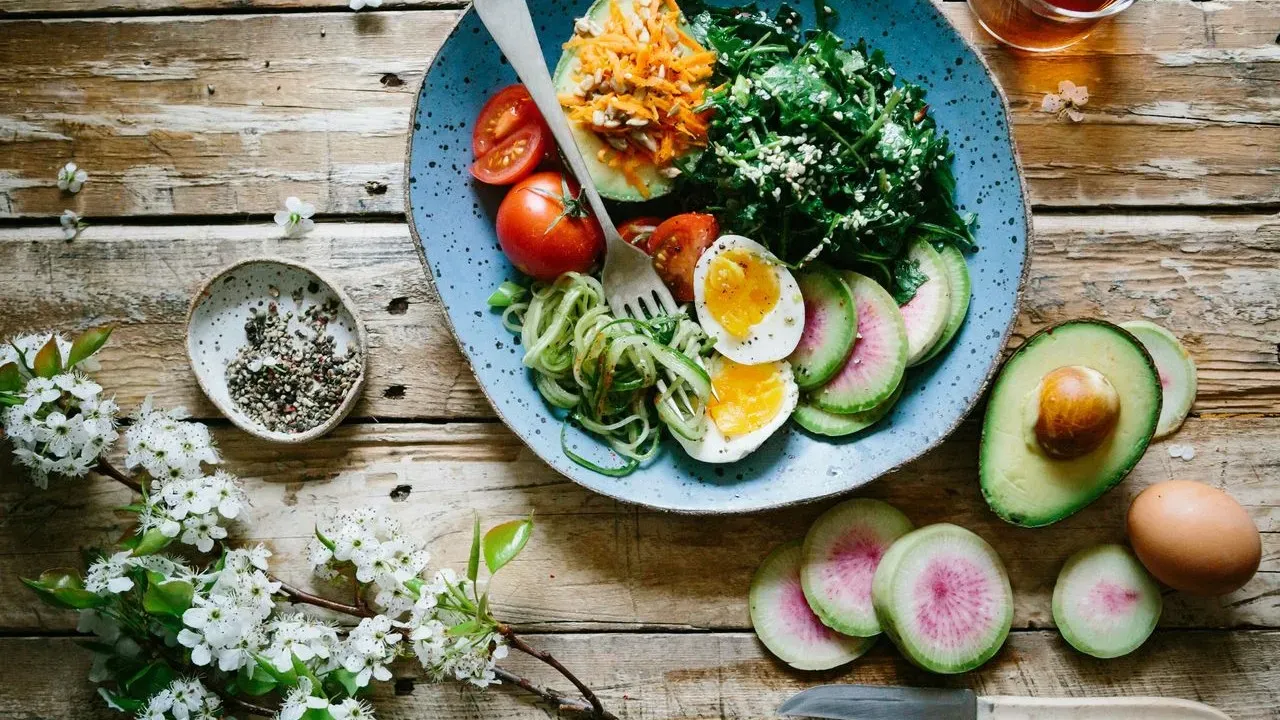
Kinder and his wife follow a Mediterranean-style approach built around vegetables, whole grains, nuts, seeds, fish and olive oil. Variety matters more than any single superfood. He has long avoided sweets and processed snacks, and he has become even stricter about those choices with age. Limiting ultra-processed foods and alcohol forms another consistent thread in his habits.
The emphasis on minimally processed, plant-forward meals aligns with research linking such patterns to lower inflammation and better cardiovascular and cognitive health. Kinder’s garden makes that style of eating practical year-round. Fresh produce picked at peak ripeness replaces packaged alternatives and keeps meals simple and nutrient-dense.
Looking Ahead at Any Age
Social connections and a sense of purpose also appear in Kinder’s story. Regular community involvement and family ties round out the physical habits. Observers of successful aging often find that these elements matter as much as diet and exercise for longevity and quality of life.
Kinder’s example shows that gardening can serve as more than a hobby. It supplies food, movement and a daily rhythm that supports decades of high-level running. For anyone considering similar changes, the message is straightforward: small, repeated actions begun early can still deliver results well into later life.
AI Disclaimer: This article was created with the assistance of AI tools and reviewed by a human editor.