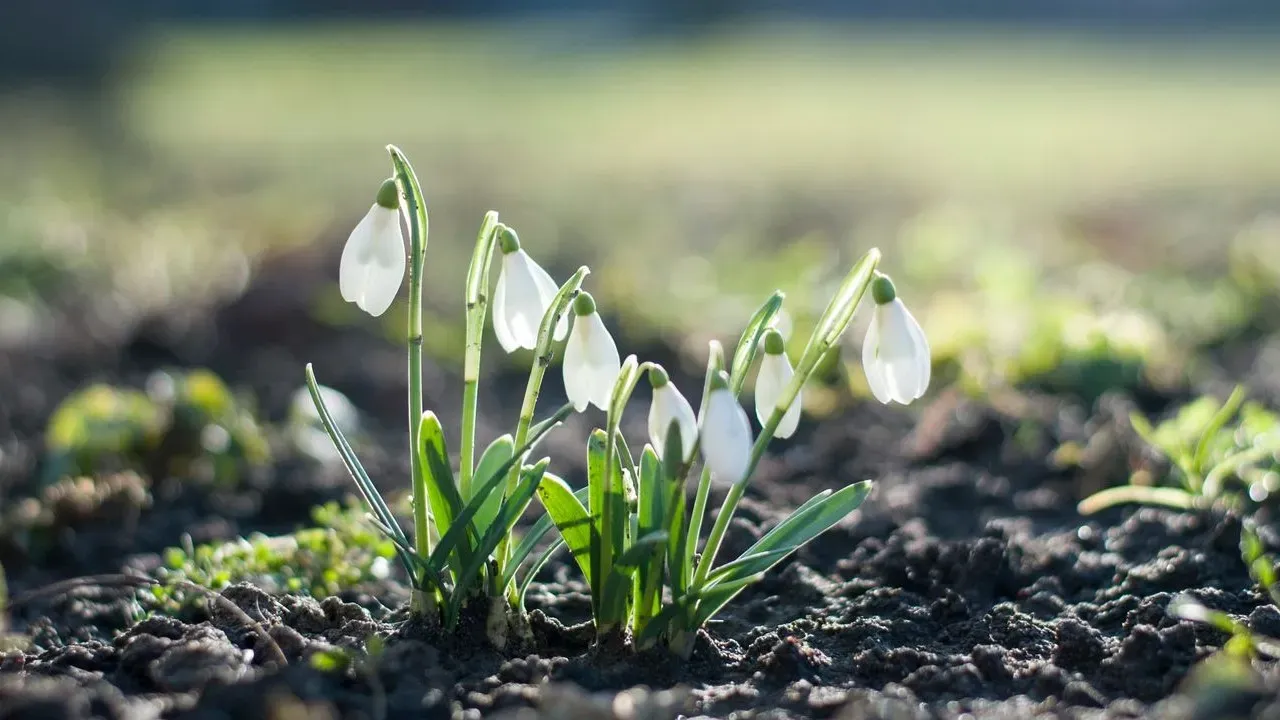

British gardeners have long followed a familiar rhythm, beginning with the first snowdrops that signal winter’s end and building anticipation through spring blooms toward the supposed high point of summer. That progression has shaped garden writing, plant choices, and even major events such as the Chelsea Flower Show. Yet recent experience and fresh thinking are prompting a quiet reassessment of which months truly deliver the greatest reward. ([1])
The Familiar March Toward Summer Glory
For decades the calendar has felt almost predetermined. After the limited palette of late winter and early spring, attention turns to roses and the abundant perennials that fill June and July. Gardeners invest heavily in those months, opening properties through the National Gardens Scheme and timing major shows to coincide with peak display. The cultural weight of summer, with its associations of holidays and outdoor gatherings, reinforces the idea that this is when gardens should shine brightest.
That expectation has carried practical consequences. Nurseries promote summer performers, designers plan for maximum color in those weeks, and visitors are assumed to arrive in greatest numbers then. The pattern has felt natural because, until recently, the weather usually cooperated.
A Fresh Suggestion to Shift Priorities
Garden designer Ann-Marie Powell has floated the idea that spring and autumn deserve greater emphasis as the seasons that bring the most consistent pleasure. Under this view, high summer would serve mainly as a structural backbone of evergreens, with earlier flowering plants resting underground while mulch protects roots from stress. The goal would be to reduce reliance on plants that struggle when conditions turn extreme.
The proposal challenges long-held assumptions without discarding them entirely. It acknowledges that the traditional progression still holds emotional appeal, yet it asks whether clinging to summer as the centerpiece remains realistic when weather patterns change.
Extreme Weather Alters the Experience
This past summer in southern Britain tested that assumption. Prolonged heat and drought made routine garden work exhausting and turned routine watering into a daily necessity. Walks around established gardens revealed stressed plants rather than the expected abundance, and evenings offered only partial relief. The contrast with cooler, more forgiving months became impossible to ignore.
Even so, visitor numbers did not drop as some had feared. People continued to arrive, seeking shade and perhaps a break from their own parched plots. The steady flow suggested that well-maintained gardens retain appeal even when conditions are far from ideal, complicating any simple decision to close during the hottest weeks.
Practical Questions About Plants and Timing
Any shift in focus raises immediate horticultural issues. Many spring and autumn favorites still require protection from winter wet and summer scorch, and replacing failed summer plantings carries real cost. Mulching helps, yet it cannot fully offset repeated cycles of saturation followed by drought. The question becomes whether a narrower seasonal emphasis would actually reduce overall effort or simply move the challenges to different months.
Broader institutional change would also be needed. Major shows and open-garden schedules are built around current expectations. Adjusting those calendars would take years and would affect everything from plant sales to visitor economies.
A Cultural Habit That May Slowly Evolve
Summer carries deep cultural resonance beyond gardening. Songs, holidays, and social rituals are tied to the season, making any redefinition gradual at best. Still, repeated difficult summers could accelerate the process, encouraging gardeners to value the quieter satisfactions of spring and autumn without waiting for perfect conditions in midsummer.
The conversation remains open. Whether the Royal Horticultural Society eventually moves its flagship events or individual gardeners simply adjust their own expectations, the underlying tension between tradition and changing climate is unlikely to disappear soon.
AI Disclaimer: This article was created with the assistance of AI tools and reviewed by a human editor.