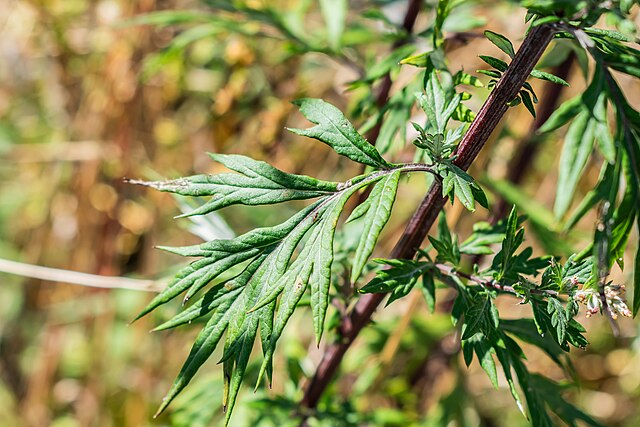

Every gardener has been there—tending to a thriving vegetable bed one day, only to find it ravaged by pests the next. It’s frustrating, disheartening, and enough to make you question why you put in all the effort in the first place. That’s why I’m always on the lookout for plants that not only thrive but actively protect the rest of the garden. And lately, gardeners everywhere are discovering one plant that seems to be in a league of its own when it comes to pest defense: wormwood (Artemisia absinthium).
Now, wormwood might not be the first thing you think of for a vegetable garden—it’s more often associated with old-world herbal remedies and its role in absinthe—but trust me, it’s a game changer. With its strong, aromatic foliage and silvery leaves, this plant creates an invisible shield that deters everything from aphids and cabbage worms to slugs and even some burrowing critters. Best of all, it’s surprisingly low maintenance, meaning you can reap its benefits without adding another demanding diva to your plant roster.
Native Origins and Growth Habit
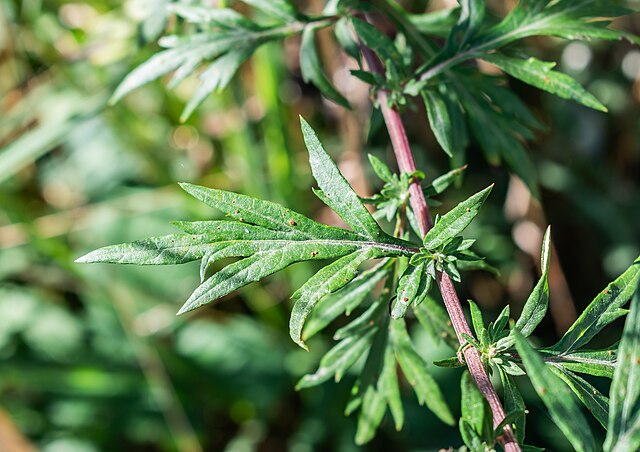
Wormwood is native to temperate regions of Eurasia and Northern Africa, where it has adapted to a wide range of soils and climates. It has a long history of being used as both a medicinal herb and a garden guardian. In the right conditions, it can grow up to 3 feet tall, producing feathery, silver-green leaves that shimmer in the sun. While not considered invasive in most areas, it can self-seed, so trimming back spent blooms can help keep it contained.
The plant thrives in full sun and well-draining soil, often doing best in spots where more delicate crops would wilt under dry conditions. Its drought tolerance means it can stand guard in your garden with minimal watering, freeing you up to focus on fussier plants. Its upright, airy form also makes it easy to tuck into garden borders without shading out neighboring vegetables.
The Secret to Its Pest-Repelling Power
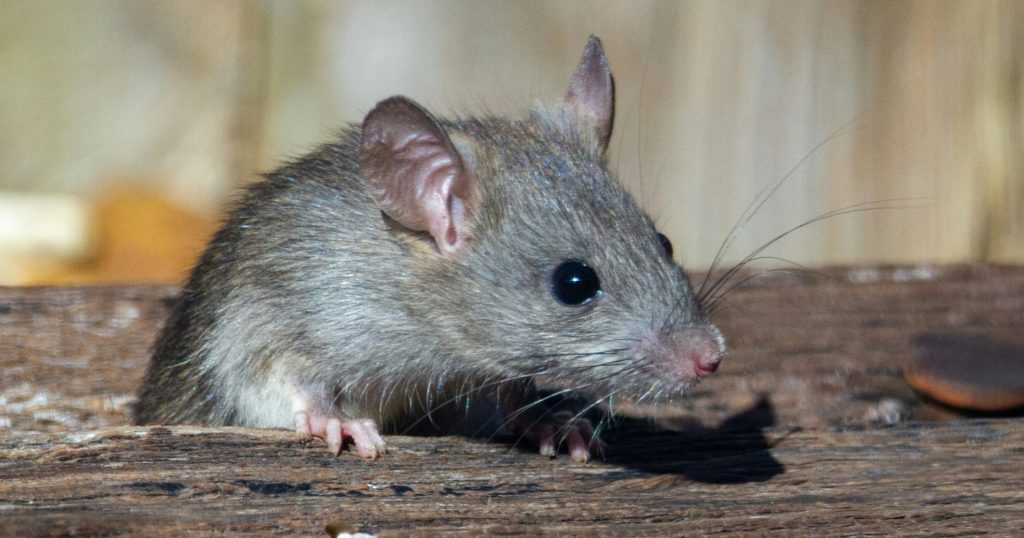
The reason wormwood is so effective at deterring pests lies in its potent aromatic oils, which contain compounds like thujone. These create a scent and taste that most insects and small mammals find unappealing. Unlike some companion plants that target a specific pest, wormwood works broadly—its presence can discourage caterpillars, flea beetles, moths, and even certain rodents from venturing too close.
This isn’t just about scent, though. Wormwood releases natural chemicals into the soil that create an environment many pests dislike. While this can be a huge benefit, it’s also why you should avoid planting it too close to certain vegetables, as these compounds can inhibit the growth of some crops. Keeping a little distance between wormwood and your edibles ensures you get the protection without unintended consequences.
Beneficial Insect Interactions

While wormwood repels harmful pests, it doesn’t chase away all insects. Its small, yellowish flowers—which appear in late summer—can attract certain beneficial pollinators and predatory insects that feed on pests. These allies include lacewings and parasitic wasps, both of which are invaluable for keeping populations of aphids and caterpillars under control.
The plant’s airy structure also provides shelter for ground beetles, another group of pest hunters you want on your side. These beetles often make their home beneath wormwood’s leafy canopy, patrolling the surrounding soil for cutworms, slugs, and other unwanted visitors. This makes wormwood a sort of “base camp” for beneficial garden defenders.
A Low-Maintenance Guardian
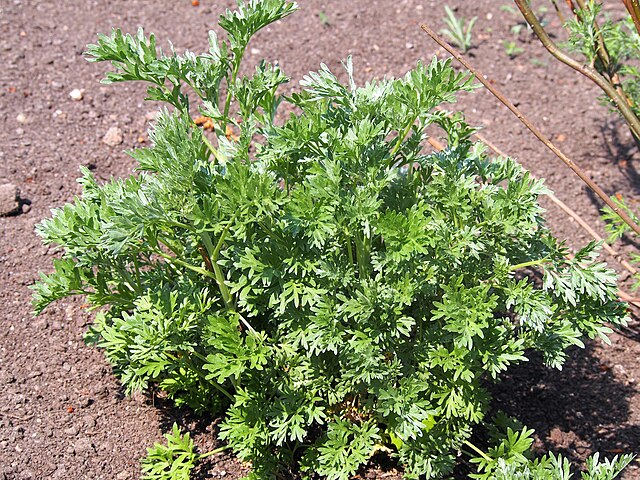
One of my favorite things about wormwood is how little it demands in return for its protection. It’s drought-tolerant, rarely bothered by disease, and even deer tend to leave it alone. Once established, it doesn’t need rich soil or constant feeding—over-fertilizing, in fact, can reduce the concentration of the very oils that make it so useful against pests.
It’s also a perennial in many climates, meaning you plant it once and enjoy its pest-repelling benefits for years. In colder regions, it can die back in winter but will often return in spring. Its silvery foliage holds up beautifully through most of the growing season, adding a decorative element that makes it as pretty as it is practical.
Where to Place Wormwood in Your Garden

Because of its allelopathic properties (the chemicals it releases into the soil), wormwood is best planted near, but not directly alongside, your vegetable beds. Position it along the borders of your garden, at the ends of rows, or in spots where you’ve had recurring pest trouble in past seasons. Think of it as a natural barrier or fence line against unwanted intruders.
It also works well near compost areas or sheds, where rodents might otherwise be tempted to explore. In ornamental borders, wormwood can act as a backdrop for colorful annuals, providing both pest defense and a silvery contrast that makes flowers pop.
Wormwood in Containers

If you have limited space or want more control over where its effects reach, wormwood grows beautifully in containers. This allows you to move it around your garden as needed, targeting specific pest-prone areas during different stages of the season. Just make sure the pot has excellent drainage—wormwood does not appreciate soggy soil.
Container planting also prevents any unwanted spread from self-seeding. You can snip a few sprigs and lay them between rows of plants as a natural deterrent, almost like setting up little herbal roadblocks for pests.
Companion Planting Strategy

While wormwood doesn’t pair well with all vegetables due to its growth-inhibiting compounds, it’s fantastic alongside strong growers like rosemary, sage, and lavender. These herbs share its pest-repelling qualities and thrive in similar sunny, dry conditions, creating a powerhouse border that bugs will think twice about crossing.
You can also plant wormwood near crops that are particularly vulnerable to caterpillars, like brassicas, but with a bit of space in between. This setup helps to confuse and deter pests without negatively impacting your harvest.
A Word of Caution for Edible Use
Wormwood is a powerful herb and should be handled with respect. While it’s safe to grow in your garden, it contains compounds that can be toxic if ingested in large quantities. Historically, it’s been used medicinally in very controlled doses, but it’s best to avoid adding it directly to your plate unless you know exactly what you’re doing. Please be sure to consult an actual doctor or healthcare provider before imbibing or using this plant in any shape or form.
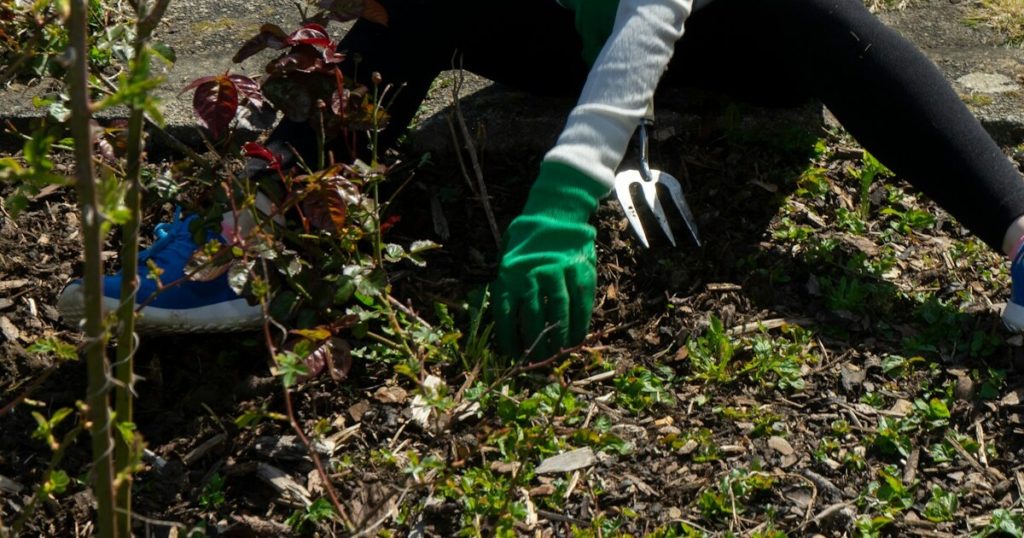
That said, its protective properties make it an excellent companion in the garden, and handling the plant itself isn’t dangerous for gardeners. Wearing gloves when pruning can prevent skin irritation for those with sensitive skin, and trimming in the morning helps reduce the spread of pollen and oils.
Year-Round Benefits
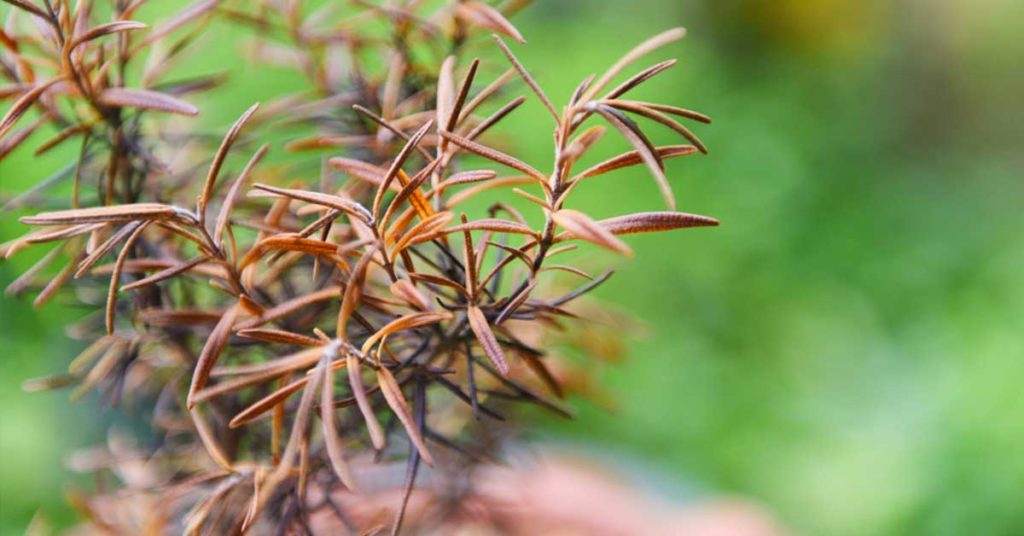
Even after the growing season ends, wormwood’s cut stems can be put to good use. Many gardeners dry the foliage and place it in storage areas or garden sheds to deter moths and other insects through the winter months. You can also scatter dried leaves in chicken coops or pet bedding areas to help discourage fleas and mites.
By planting wormwood, you’re not just solving a summer pest problem—you’re setting yourself up with a natural, year-round ally. It’s one of those plants that quietly works in the background, making the rest of your gardening life a whole lot easier.