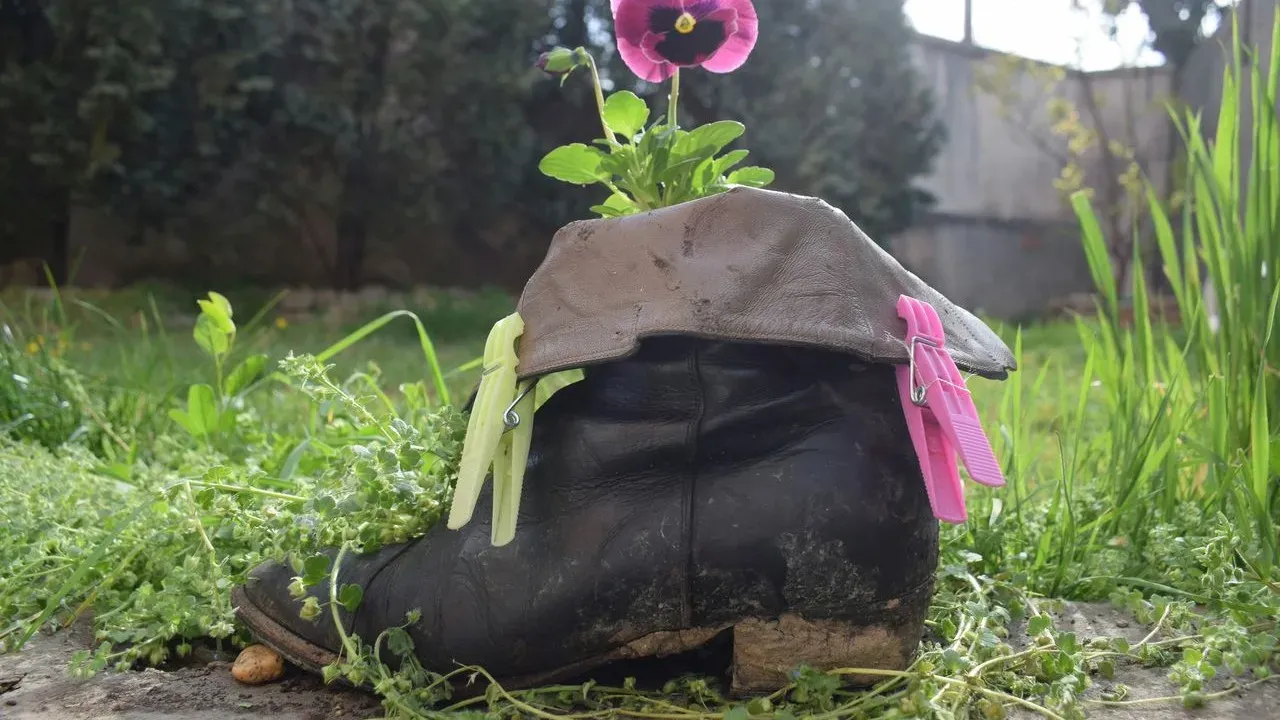

Muddy boots by the back door are no longer confined to the potting shed. Elle’s trend report points to a shoe that is extremely practical, with a playful twist ([1]). Buyers in Brooklyn, London, and at fashion shows are now paying attention to a utilitarian staple that once lived beside the flower beds.
From the potting shed to the catwalk
The shape’s fashion moment is often traced to designer Emily Bode Aujla’s Fall 2020 collection, which sent rubber gardening clogs down the runway. The French gardening brand Plasticana picked up exactly the kind of designer validation that pulls a utilitarian object into the fashion canon. Before that show, the Brooklyn boutique Salter House had been carrying the brand since 2018, and its customers ranged from local chefs to dog walkers.
The look has since moved far beyond small shops. Garden clogs have appeared on the runways of Bottega Veneta and Chloé, and a roster of celebrities, including Rihanna and Bella Hadid, has been linked to the style. Designers have also reworked the silhouette, with one version for Miu Miu blending a wooden clog with a classic leather boot.
Why a garden shoe makes sense in fashion
The appeal starts with function, and the features that make these shoes useful on a farm also suit a rainy city street. Several qualities stand out:
- Durability: These shoes are durable, weather-proof, wildly comfortable, and surprisingly versatile.
- Grip: Deep treads have long been the signature of the lug sole, which is built for traction on uneven ground.
- Ease of wear: The shoes slip on quickly and hold up to outdoor use, which makes them easy to grab for errands, dog walks or a fast trip outside.
- Seasonal relevance: Weather-proof footwear became fashionable for spring/summer 2025, and a lug sole boot offered a chic way to handle seasonal rain.
Fashion writers have noted the same practicality. One report described the garden clog as a sensible choice for navigating the season’s soggy, leaf-strewn streets, which helps explain why the shoe has crossed from the yard into everyday dressing.
The lug sole’s long road from work boots to runways
The lug sole’s journey to fashion began well before the garden clog trend. For years, lug soles have stepped from sensible working boots onto high-fashion runways. Newer designs have kept the grip while trimming the bulk, and the modern interpretation of the lug sole showcases a sleeker aesthetic while still retaining the sole’s signature grip. That balance has made the look easier to wear outside of hiking and outdoor work.
Street style has followed the runway. Shoppers have paired chunky soles with dressier outfits as well as casual clothes, and social media has amplified the trend. Designers including Aknvas, Proenza Schouler, and PH5 have also shown rubbery silhouettes ranging from knee-high boots to lug sole mules, a sign that the look reaches well past the garden shed.
The workwear connection is growing more visible too. Reporting from The Standard in May 2025 tied the trend to fashion’s wider appetite for workwear and functional footwear, including partnerships between fashion labels and outdoor brands.
Demand is climbing, but the staying power is uncertain
Sales appear to be following the attention. Demand in the U.K. has outpaced supply at certain stockists, according to Vogue’s reporting, and other brands are rolling out their own versions of the gardening clog. That kind of demand suggests the shape has moved beyond a passing social media joke.
Whether the trend lasts is less clear. Some observers see streetwear adoption as the strongest sign of staying power, since the clog has already found a place in everyday wardrobes rather than only in editorial shoots. Still, fashion has a habit of moving quickly from one unusual shoe to the next.
For now, the garden-ready shoe offers a simple lesson. A piece built for mud, rain, and hard work can look deliberate on a city sidewalk, and that unexpected pairing of practicality and style is what has carried it from the back step to the runway.
AI Disclaimer: This article was created with the assistance of AI tools and reviewed by a human editor.