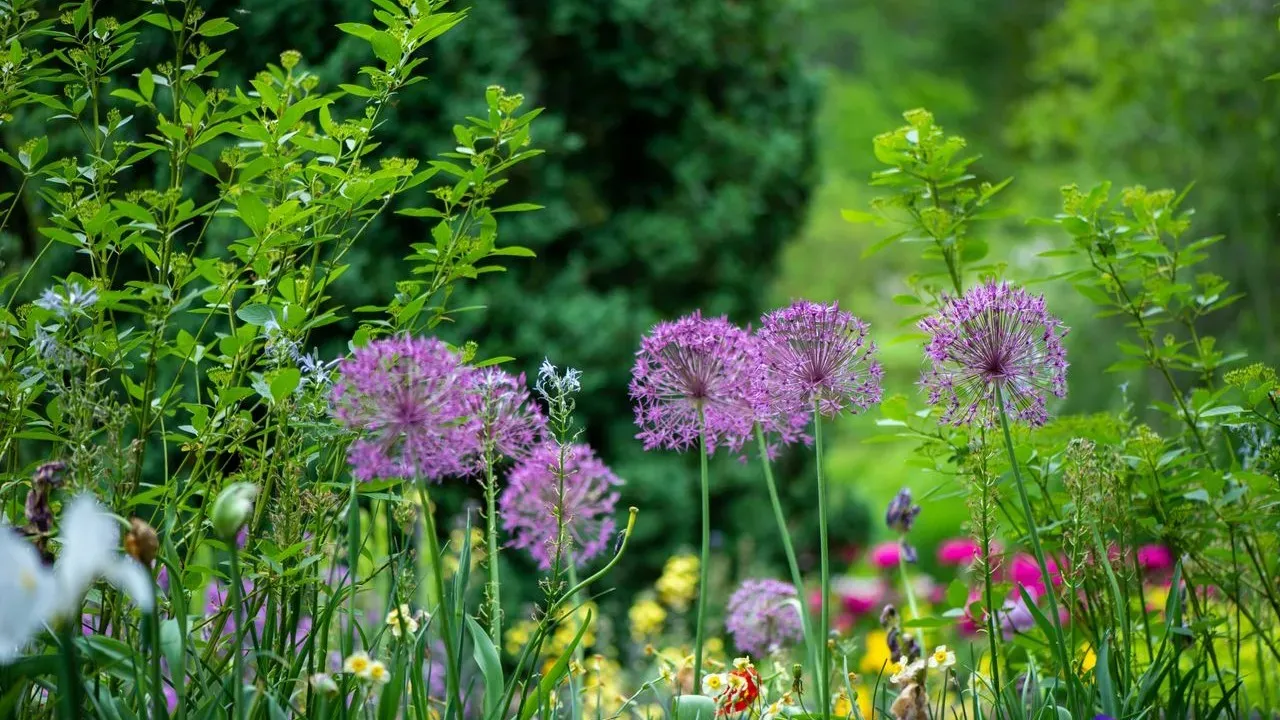

A veteran garden photographer has revived a pointed critique of how the media portrays private gardens, arguing that much of the accompanying text serves mainly as filler around the images. Charles Hawes, who has worked extensively with the GAP photo library, first shared his views in an earlier essay that continues to circulate among garden writers and enthusiasts. His observations highlight a long-standing tension between the desire for flattering portrayals and the potential for more substantive engagement with the gardens themselves.
Time Spent Behind the Lens
Hawes describes a methodical approach that sets his work apart from casual visits. A typical assignment begins with a detailed tour alongside the garden owner, followed by extended sessions from late afternoon through dusk and again at dawn. Additional hours may be required the next morning, and return trips are sometimes necessary if conditions fall short.
This investment allows him to study the space far more thoroughly than most visitors. He then reviews thousands of frames on screen, selecting and refining images while making minor adjustments to remove small distractions. The process, he notes, amounts to an extended examination of the garden’s strengths and shortcomings.
Empty Praise and Its Limits
Hawes contends that standard garden features in magazines and books follow a predictable pattern. They open with descriptions of the setting, move through plant lists or design choices, and close with a familiar remark on the garden’s beauty. Owners receive the coverage they seek, yet the praise often feels hollow because it avoids any real assessment.
He compares the effect to offering pure sugar: momentarily pleasing but ultimately unsatisfying. The pattern persists, he suggests, because both writers and photographers need to earn a living, while owners understandably prefer positive exposure over candid analysis.
Insights Left Unspoken
Over years of close observation, Hawes has developed a trained eye for practical improvements. He frequently notices opportunities to adjust hedges for better views, refine planting schemes, or reduce an excess of ornaments. These observations remain private, however, because owners rarely ask for them and he hesitates to volunteer uninvited opinions.
Concerns about offending hosts, losing access to plant names for captions, and simple fatigue after long shoots all play a part. The result is a missed chance for the kind of constructive dialogue that could help gardeners see their own work more clearly.
Calls for Analytic Reviews
Hawes proposes a shift toward proper garden criticism modeled on book or theater reviews. He recommends that commissioning editors pair writers and photographers to deliver balanced accounts that combine description with measured evaluation. Such an approach, he argues, would treat gardens as serious creative endeavors rather than sources of easy admiration.
He singles out the Royal Horticultural Society’s journal, The Garden, as the publication best positioned to lead the change. If that outlet adopted a more rigorous standard, others might follow. He also sees potential for book publishers to produce volumes that examine gardens with greater depth instead of repeating the usual celebratory format.
The discussion Hawes has reopened touches on a broader question facing garden media: whether the current emphasis on visual appeal and polite commentary serves the creators of gardens as well as it could. His perspective invites both writers and photographers to consider how their work might evolve without losing the visual storytelling that remains central to the field.
AI Disclaimer: This article was created with the assistance of AI tools and reviewed by a human editor.