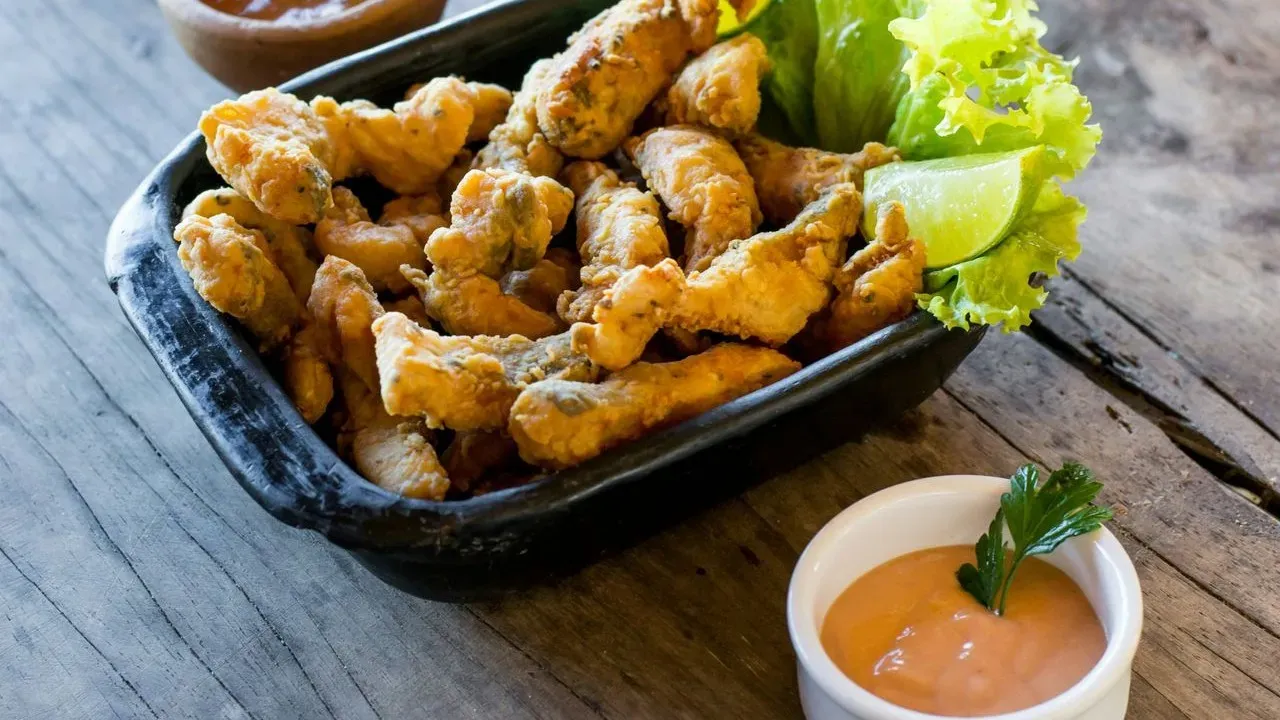

Late summer often brings a surge of okra pods from home gardens, and many growers find themselves with more than they can use fresh. Turning that abundance into a simple Southern classic offers both a practical solution and a satisfying way to enjoy the harvest. The method relies on a cast iron skillet, young tender pods, and just a handful of pantry staples to deliver golden, crunchy results.
Why This Approach Fits the Season
Okra picked young stays tender and cooks quickly, which suits the rhythm of a productive garden. The dish carries family traditions from Southern kitchens into modern home cooking without requiring elaborate equipment or long preparation. A hot skillet and basic coating create contrast between the crisp exterior and soft interior, making it a reliable choice when the plants keep producing. Gardeners who slice pods thinly and work in batches avoid the common issue of steaming instead of frying. The result holds up well as a side or snack, especially when served straight from the pan.
Core Ingredients Needed
The recipe stays minimal by design. Fresh young okra pods form the base, rinsed and dried before slicing. Cornmeal provides the classic coating that turns golden and crisp. Coconut oil supplies the fat for frying, and salt seasons the finished pieces to taste. No precise measurements are required. Cooks typically slice enough pods for the meal and add a bit extra, knowing second helpings are common. Enough cornmeal coats every piece evenly, while a generous layer of oil in the pan ensures proper frying.
Key Steps for Crisp Texture
Start by rinsing the pods and drying them thoroughly to limit moisture that can affect the coating. Trim the stems and tips, then cut the pods into thin, even slices. The ends and tips can be set aside for other uses if desired. Toss the slices in cornmeal until each piece is covered. Heat a cast iron skillet over medium-high heat and add enough coconut oil to coat the bottom generously. Once the oil is hot, add the coated okra in a single layer without crowding. Sprinkle lightly with salt and let the pieces brown on the first side before flipping. Continue cooking until both sides reach a golden crispness while the centers remain tender. Transfer to a paper towel-lined plate and adjust salt if needed before serving immediately.
Practical Tips From Experience
Younger, smaller pods yield the best texture and reduce any fibrous quality. Drying the okra well before coating prevents gumminess and excess splatter. A single layer in the pan allows even contact with the heat for better browning. Resist stirring too often so the cornmeal can develop a crust. Seasoning during cooking and tasting at the end keeps the flavor balanced. The finished okra tastes best hot, so preparing a little extra helps when appetites run high. This straightforward technique turns a garden surplus into a comforting dish that highlights the freshness of homegrown produce. Many cooks return to it season after season for its simplicity and reliable results.
AI Disclaimer: This article was created with the assistance of AI tools and reviewed by a human editor.