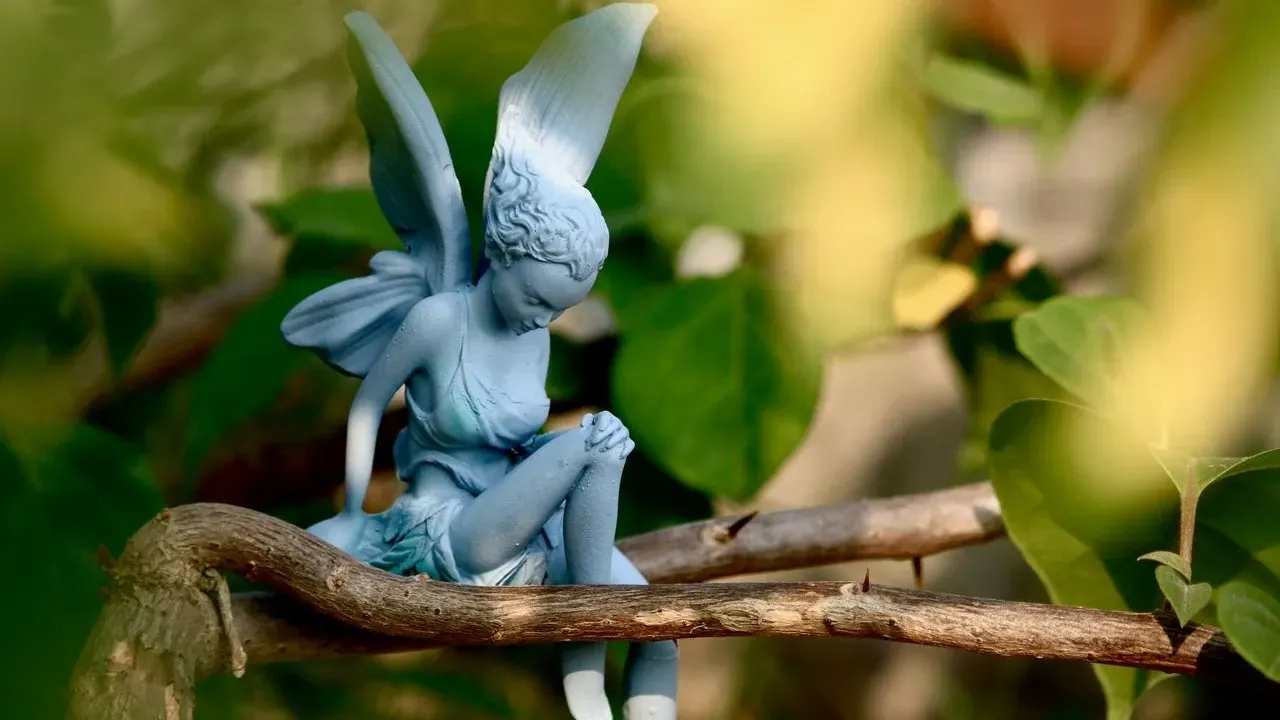

Gardeners preparing beds for cooler weather often draw inspiration from unexpected sources. At one Midwestern site, a playful narrative from garden fairies frames the real work of extending color and structure into fall. The approach blends observation of what is already happening in the landscape with deliberate steps that support next season’s growth.
Allowing Self-Sown Asters to Take Hold
Tall asters have begun showing color near vegetable garden edges after spreading on their own. Observers note that the first blooms appear now, with fuller displays expected within two weeks. Leaving these plants in place creates drifts of purple that fill gaps left by summer annuals. Dividing or transplanting excess seedlings next spring can expand the display without additional purchases. The natural spread reduces the need for new stock while maintaining a loose, informal border that suits many home landscapes.
Deciding Which Volunteers to Keep or Remove
Goldenrod and fleabane have appeared uninvited in several beds. Some gardeners pull them promptly because they were never intentionally planted. Others weigh whether the plants add useful late-season nectar or simply compete with chosen varieties. Long-time observers recall that these species once grew freely in open fields. Removing them selectively prevents overcrowding while still allowing a few to remain if they fit the overall design. The choice ultimately depends on how much space each gardener wants to allocate to managed versus spontaneous growth.
Addressing Shade and Planning Spring Divisions
Black-eyed Susans have declined in one shaded section, prompting plans to replace them with hostas. The new plants would come from divisions already thriving elsewhere in the garden. Performing the work in early spring minimizes stress on both the donor clumps and the new site. Hostas tolerate the lower light levels that limit many sun-loving perennials. The swap restores coverage and maintains interest through foliage texture rather than flowers alone.
Extending the Season with Autumn Crocuses and Pansies
Adding autumn-flowering crocuses to existing spring displays creates a longer sequence of bulb color. The later blooms act as a visual bridge between summer’s end and the first frosts. Neighbors unfamiliar with the fall-blooming types often notice the unexpected flowers and ask about the variety. Pansies remain a favorite for cool-weather containers and borders. Local greenhouses typically receive fresh stock soon, giving gardeners time to set them out before temperatures drop too far. With light protection, the plants can continue blooming into winter in many climates. The same narrative also notes routine chores such as managing fallen leaves and monitoring acorn drop from maturing trees. These tasks keep paths clear and reduce competition for smaller plants. Taken together, the steps show how observation and modest interventions can carry a garden smoothly from one season into the next.
AI Disclaimer: This article was created with the assistance of AI tools and reviewed by a human editor.