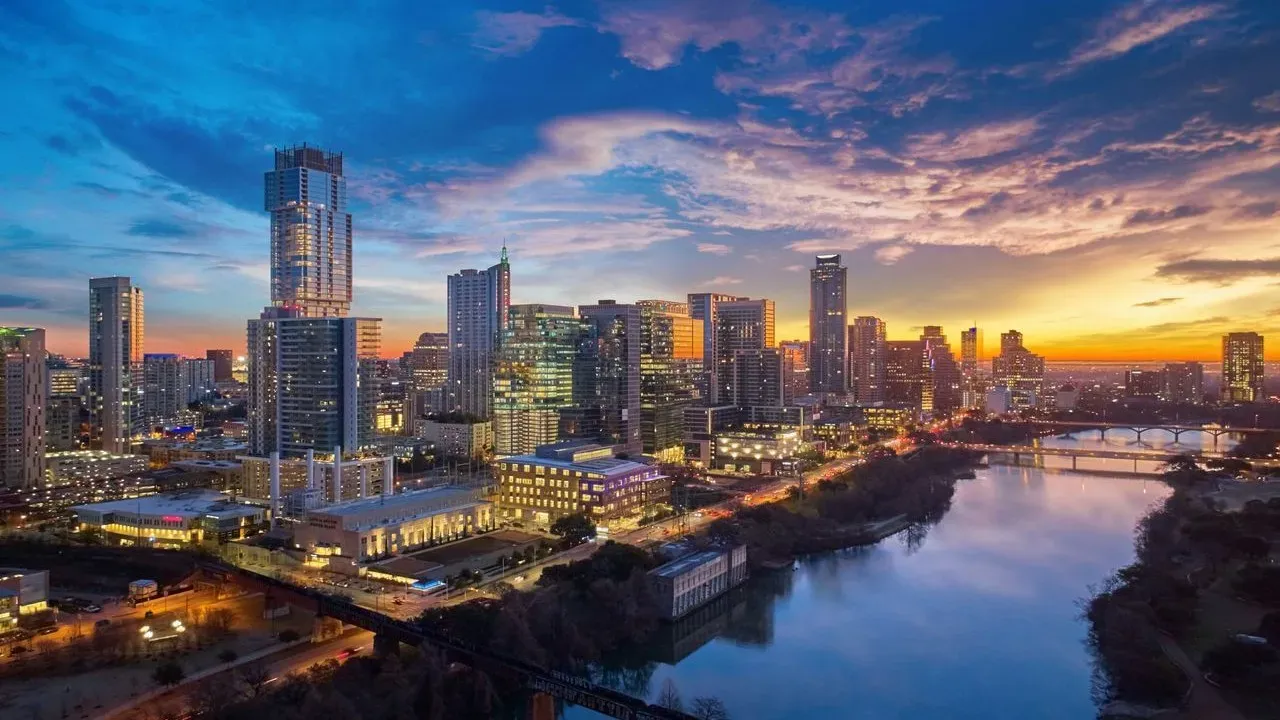

Austin, Texas – Most of the United States will set clocks back one hour in early November, granting an extra hour of rest on that Sunday morning. The adjustment marks the end of daylight saving time for the year. Even with the shift, evening daylight will continue to shrink through late fall and into winter.
The November Time Change
Clocks across most states will fall back on the first Sunday in November. This annual reset ends daylight saving time and returns the country to standard time. Texas follows the same schedule as the majority of the nation. The change affects transportation schedules, school start times, and evening activities for millions of residents.
Why Evenings Darken Despite the Shift
The extra hour gained on the clock does not add sunlight to the day. Astronomical sunset times move earlier each week as the Northern Hemisphere tilts away from the sun. By the time clocks change, the sun already sets noticeably sooner than it did in September. The adjustment simply aligns the clock with a day that has already grown shorter.
Practical Effects for Daily Life
Commuters will face darker drives home in the weeks after the change. Outdoor workers and families with evening routines will notice the difference first. Austin residents, like those in other parts of the country, will see the sun drop below the horizon well before many finish their workday. The pattern continues until the shortest day of the year in December.
Looking Ahead to Winter Months
The loss of evening light remains steady through the end of the year. Morning light arrives later as well, though the evening loss tends to draw more attention. The cycle will reverse only when daylight saving time resumes next spring. For now, the focus stays on adjusting schedules to the shorter days ahead.
AI Disclaimer: This article was created with the assistance of AI tools and reviewed by a human editor.