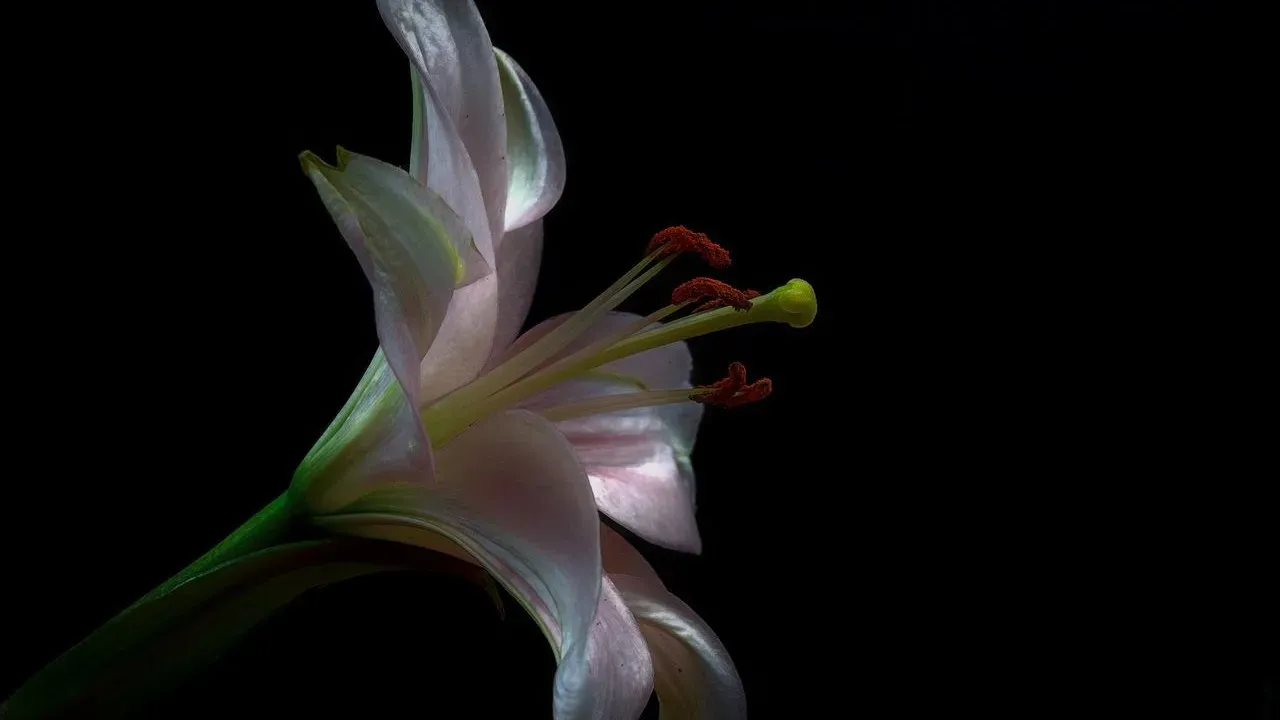

North Carolina – A local gardener named Gail has built a personal collection centered on daylilies, choosing the plants specifically for their ability to deliver strong, reliable color throughout the growing season. The approach stands out in a region where many gardeners seek low-maintenance options that still create visual impact. Daylilies fit that need well because each bloom lasts only a single day yet the plants produce successive flowers over weeks or months.
Why Daylilies Stand Out for Color
Daylilies belong to the genus Hemerocallis and are not true lilies despite the common name. They form clumps of grass-like foliage and send up flower stalks that carry trumpet-shaped blooms in shades ranging from yellow and gold to orange, pink, red, purple, and white. In North Carolina conditions, these perennials thrive in full sun or partial shade with good drainage and soil rich in organic matter. Gardeners value the plants for their adaptability across the state’s varied climate zones. They tolerate occasional dry spells once established and resist many common pests, though deer can sometimes damage the foliage. The extended bloom period from spring into summer provides continuous color without requiring constant replanting or heavy intervention.
Building a Personal Collection
Gail focuses on daylilies as the backbone of bold garden displays rather than relying on a wider mix of annuals or more demanding perennials. This choice simplifies maintenance while ensuring strong visual results through the height of the season. The plants’ clump-forming habit allows easy division over time, helping the collection expand naturally. Many cultivars exist with varying heights, flower sizes, and bloom times. Selecting a range of these varieties lets a gardener extend color from late spring well into summer. In practice, the collection creates layered interest as different types open in succession, keeping beds lively even as individual flowers fade quickly.
Practical Advantages in the Garden
Daylilies require relatively little ongoing care once planted in suitable spots. They perform across North Carolina’s coastal, piedmont, and mountain regions within USDA zones 3 through 9. Their salt tolerance also makes them suitable near coastal areas where other plants might struggle. The plants contribute to garden structure through their foliage even when not in bloom. Clumps can edge paths, stabilize slopes, or fill larger beds. Because each flower lasts only one day, the display renews itself daily during peak periods, offering a fresh appearance without additional effort from the gardener. The result is a focused, colorful garden that highlights one plant group to strong effect. Gail’s approach demonstrates how a targeted collection can deliver consistent impact with straightforward upkeep suited to the local environment.
AI Disclaimer: This article was created with the assistance of AI tools and reviewed by a human editor.