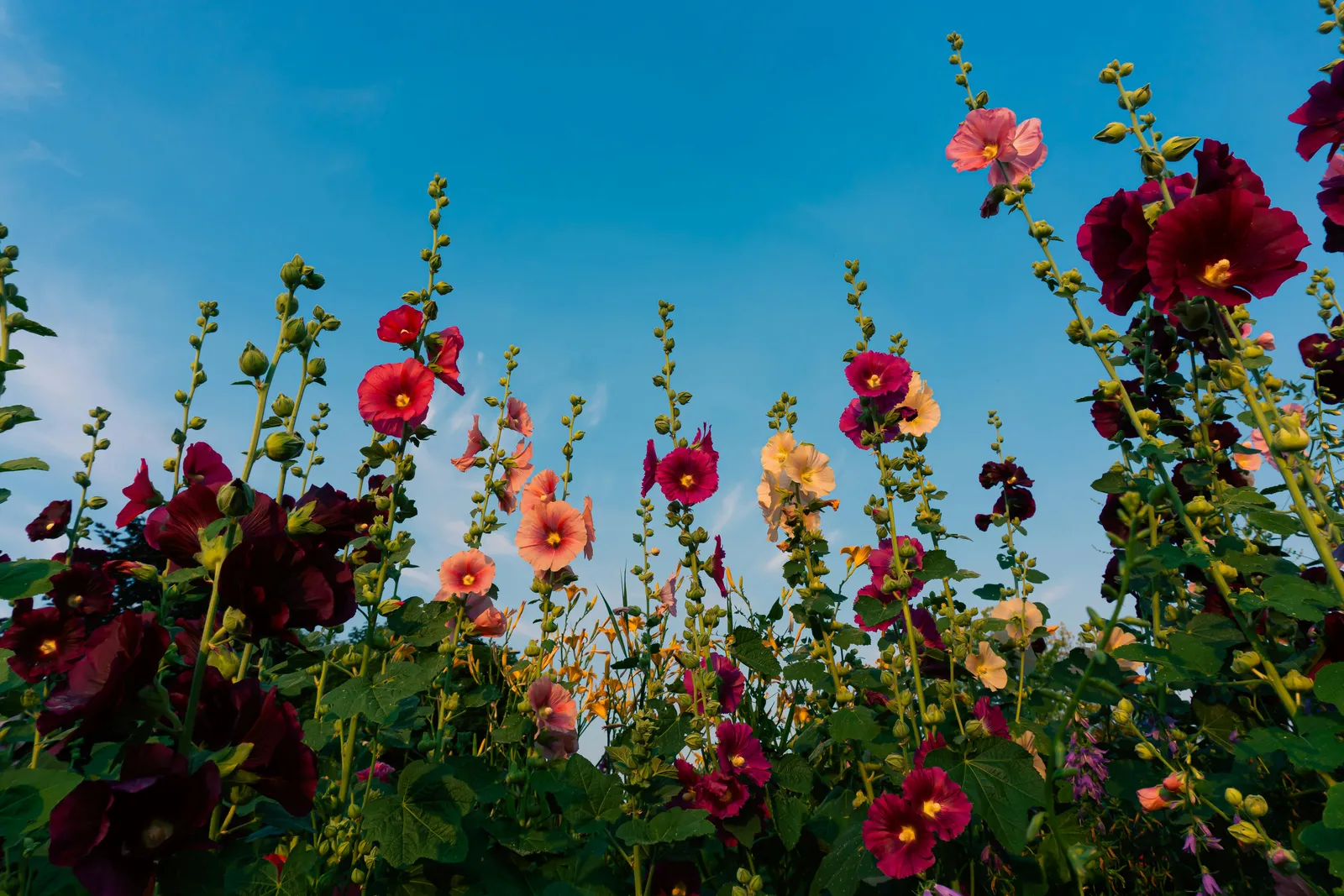

As June begins and sunlight grows more intense across much of the country, gardeners often seek plants that can handle prolonged direct exposure while still producing flowers for months. Perennials adapted to full sun meet this need by returning each year and maintaining blooms from early summer well into the later season. These selections reduce the cycle of replanting and provide a stable foundation for outdoor spaces that receive hours of direct light daily.
One Key Advantage Emerges Early in the Season
Gardeners who plant these perennials notice that the initial effort yields returns that last far beyond a single year. Once roots establish, the plants typically manage heat and occasional dry spells more effectively than many annual options. This resilience stems from their natural adaptation to open, sunny conditions rather than from constant intervention.
The result is a garden that maintains visual interest without repeated purchases or frequent replacements. Homeowners and landscape managers alike benefit from this consistency, particularly in regions where summer temperatures climb quickly after spring.
Practical Steps for Site Preparation
Successful placement begins with confirming that the chosen area receives at least six hours of direct sunlight each day. Soil testing helps determine whether amendments are needed to support root development in bright conditions. Proper spacing at planting time allows air circulation that supports healthy growth through the hottest weeks.
Early summer planting aligns well with current weather patterns in many areas, giving roots time to settle before peak heat arrives. Watering during the first few weeks focuses on establishment rather than daily maintenance thereafter.
Supporting Blooms Through the Warmest Months
Once established, these perennials generally require only periodic checks for weeds and occasional deep watering during extended dry periods. Removing spent flowers at intervals can encourage additional blooming cycles without demanding daily attention. Mulch layers help retain soil moisture and moderate temperature swings around the root zone.
Monitoring for common pests remains straightforward because the plants’ vigor in full sun often limits major issues. Adjustments stay minimal compared with varieties that demand shade or frequent feeding.
Longer-Term Value for Garden Planning
Over multiple seasons, full-sun perennials contribute to lower overall garden costs by eliminating the need for annual purchases. They also create reliable structure that supports other plantings or garden features. Property owners gain predictable color and texture that evolves naturally with the calendar.
This approach suits both new installations and updates to existing beds where sunlight exposure has increased over time. The cumulative effect is a landscape that performs steadily with reduced seasonal labor.
Key considerations when adding these plants include confirming local hardiness zones, assessing drainage, and allowing adequate room for mature size. These steps help ensure the perennials meet expectations for season-long performance in sunny locations.
AI Disclaimer: This article was created with the assistance of AI tools and reviewed by a human editor.