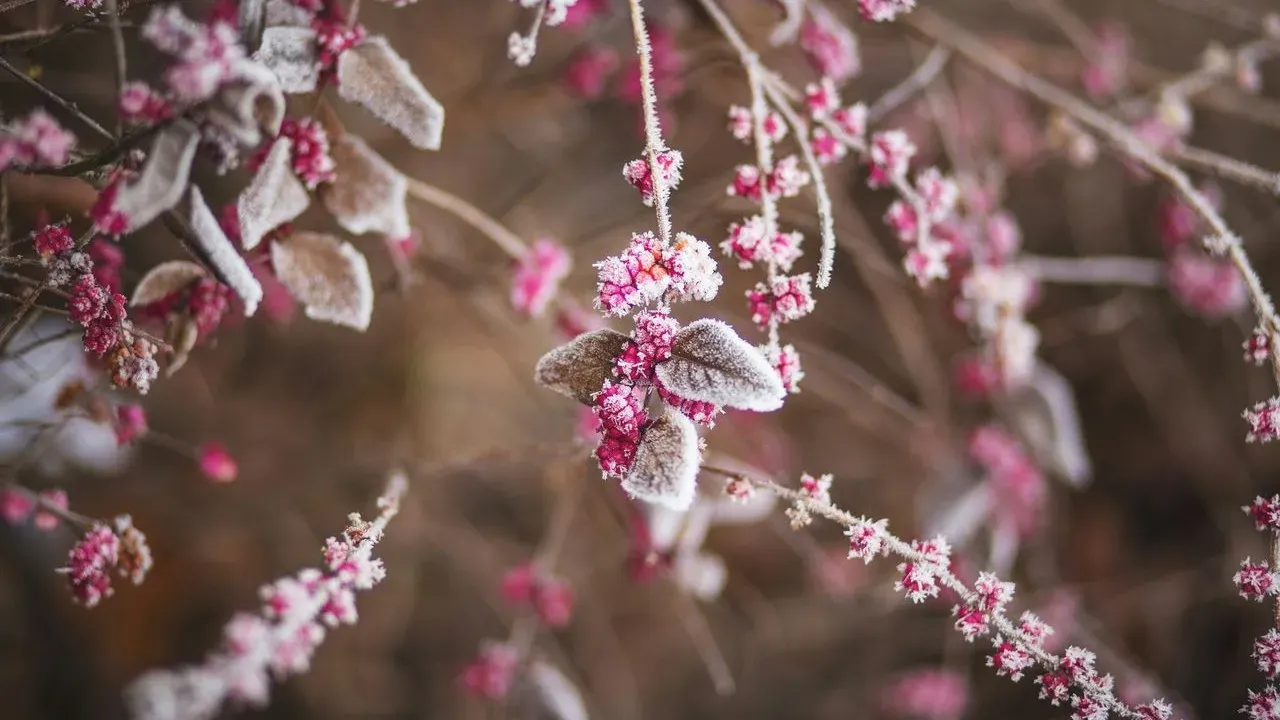

Gardeners across much of the country face a familiar October challenge as nights turn crisp and forecasts hint at the season’s first frost. A single cold snap can blacken leaves and ruin the final tomatoes, peppers, and squash that still hang on the vines. Acting now preserves what remains of the summer harvest and sets the stage for healthier beds next spring. ([1])
Reading the Signs and Setting a Timeline
Experienced growers watch for shorter days, cooler mornings, and the unmistakable shift in evening air that signals frost is near. In many regions the average first frost arrives in early to mid-October, though exact dates vary by location and microclimate. Checking local forecasts and historical patterns helps gardeners move from reaction to preparation. The goal is to finish key tasks while daytime temperatures still support plant activity and before any sudden drop to 32 degrees or below.
Waiting until the night of the warning often leads to rushed efforts in the dark. Starting preparations two to three weeks ahead gives plants time to redirect energy into existing fruit rather than new growth. This window also allows time to gather supplies such as row covers and mulch before stores run low.
Securing the Last Summer Harvest
Cold-sensitive crops suffer quickly once temperatures dip near freezing. Tomatoes showing any color can finish ripening indoors, while full-sized green fruit works well for frying or pickling. Peppers, eggplants, cucumbers, and summer squash should come inside entirely, as even light frost turns them soft and unusable within days. Winter squash and pumpkins benefit from harvest with a short stem attached so they cure properly for storage.
Herbs like basil demand immediate attention because they blacken at the first sign of frost. Cutting the entire plant for pesto or freezing preserves flavor that would otherwise be lost. Flowers such as zinnias and cosmos can still yield a final round of bouquets, while frost-hardy vegetables like kale and carrots actually improve in taste after a light freeze converts starches to sugars.
Creating Barriers Against the Cold
Frost cloth, also known as floating row cover, traps warmth rising from the soil and can add several degrees of protection on the coldest nights. Draping the fabric all the way to the ground and securing the edges prevents heat from escaping. Low tunnels or hoops keep the material from touching delicate leaves, reducing damage where contact occurs.
Moist soil holds more daytime heat than dry ground and releases it slowly overnight. Watering beds thoroughly the day before a predicted freeze maximizes this effect. A layer of mulch three to four inches deep further insulates roots of perennials and overwintering crops while moderating temperature swings that can heave plants out of the ground.
Moving Tender Plants to Safety
Potted tropicals and citrus trees suffer when nights fall into the forties, well before frost arrives. Gradual acclimation over one to two weeks reduces shock and leaf drop. Shifting pots into shade first, inspecting for pests, and rinsing foliage prepares them for indoor conditions under bright windows or grow lights.
Perennial herbs such as rosemary, thyme, and oregano can move indoors in containers for continued harvest through winter. Taking cuttings or dividing clumps now gives roots time to settle before colder weather stresses the plants. Checking for aphids and mites before bringing anything inside avoids introducing problems to the home environment.
Looking Ahead to Spring Beds
Clearing finished summer crops opens space for cover crops that protect soil through winter and add nutrients when turned under next year. Legumes such as winter peas fix nitrogen naturally, while rye suppresses weeds and prevents erosion. Sowing these as soon as beds empty takes advantage of still-warm soil for quick establishment.
These steps together turn the first frost from a threat into a manageable transition. Gardeners who prepare now keep more of their harvest and enter the dormant season with beds that remain productive and protected. The payoff appears next spring in stronger starts and earlier yields.
AI Disclaimer: This article was created with the assistance of AI tools and reviewed by a human editor.