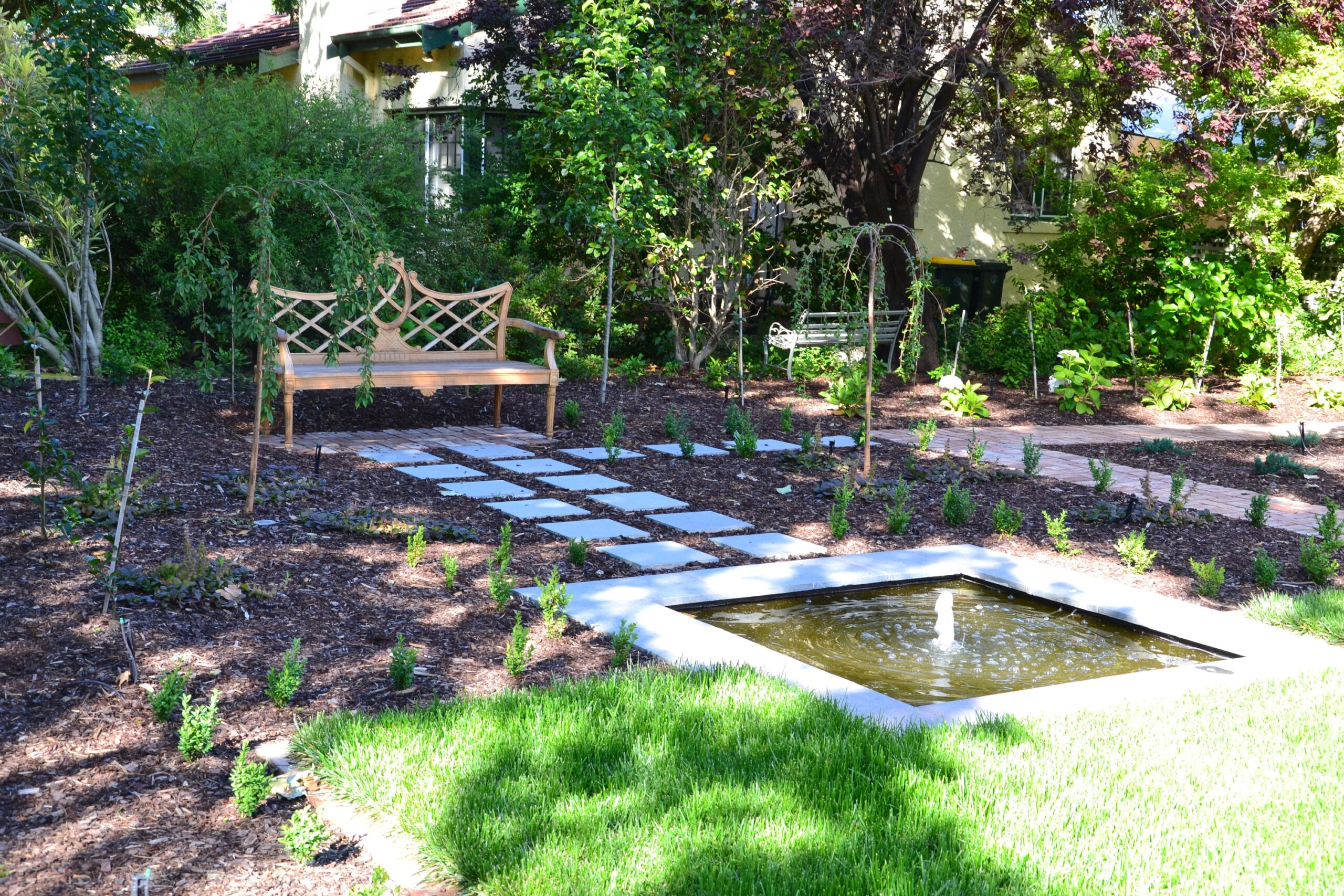

The Front Yard Has Always Been a Statement
The front yard is fundamentally different from the backyard. One important consideration that sets an edible garden in the front yard apart from one out back is its visibility. When you plant flowers, it reads as decorative. When you plant kale, it reads as a choice, and choices in full public view invite commentary. Such gardens were commonplace a few generations ago, their popularity shrinking over the years in favor of lawns, which became a suburban status symbol.
Fortunately, front-yard vegetable gardens are making a comeback as more homeowners learn that turfgrasses drain precious resources, and that their upkeep risks polluting the environment, soil, and groundwater. So the debate isn’t just aesthetic. It’s also about what “a nice yard” actually costs, in water, chemicals, and labor.
Why More Homeowners Are Choosing Vegetables
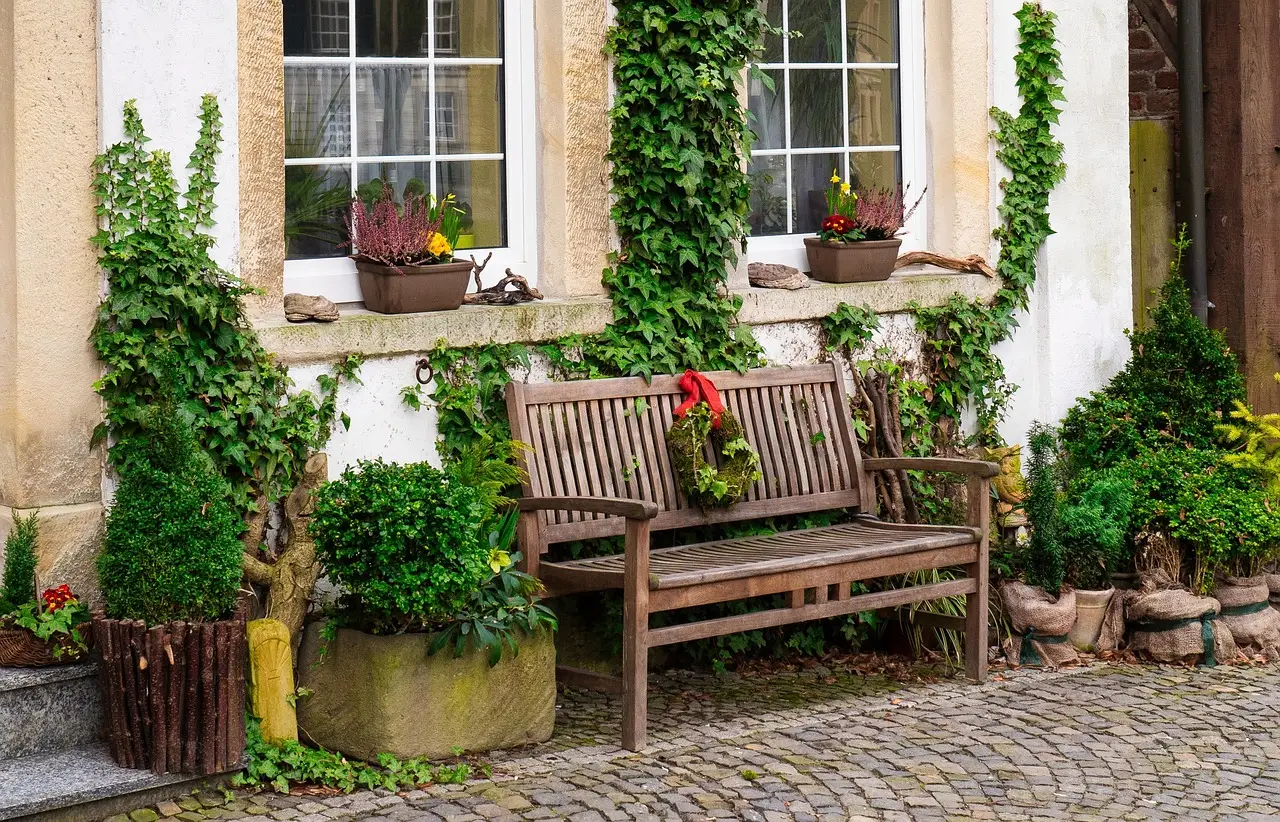
Homeowners are increasingly turning their front yards into vegetable gardens, and what began as a practical way to grow fresh food has now sparked a debate among neighbors about aesthetics, property value, and changing neighborhood identity. Many homeowners began using their front yards to grow vegetables as grocery costs increased, and what used to be decorative grass or flowers was replaced with tomatoes, herbs, and leafy greens.
A well-designed front-yard vegetable garden can spark conversations with neighbors and connects you to your food in a way that a backyard garden simply cannot. It can also be very practical, turning unused lawn space into something that feeds your family all season long, especially when the front yard is sunny and the backyard is shady.
There’s also a health argument worth noting. Individuals who grow their own food are more likely to eat five servings of fruits and vegetables per day. That’s not a trivial point when weighed against the case for a patch of decorative fescue.
When Neighbors Start Taking Sides
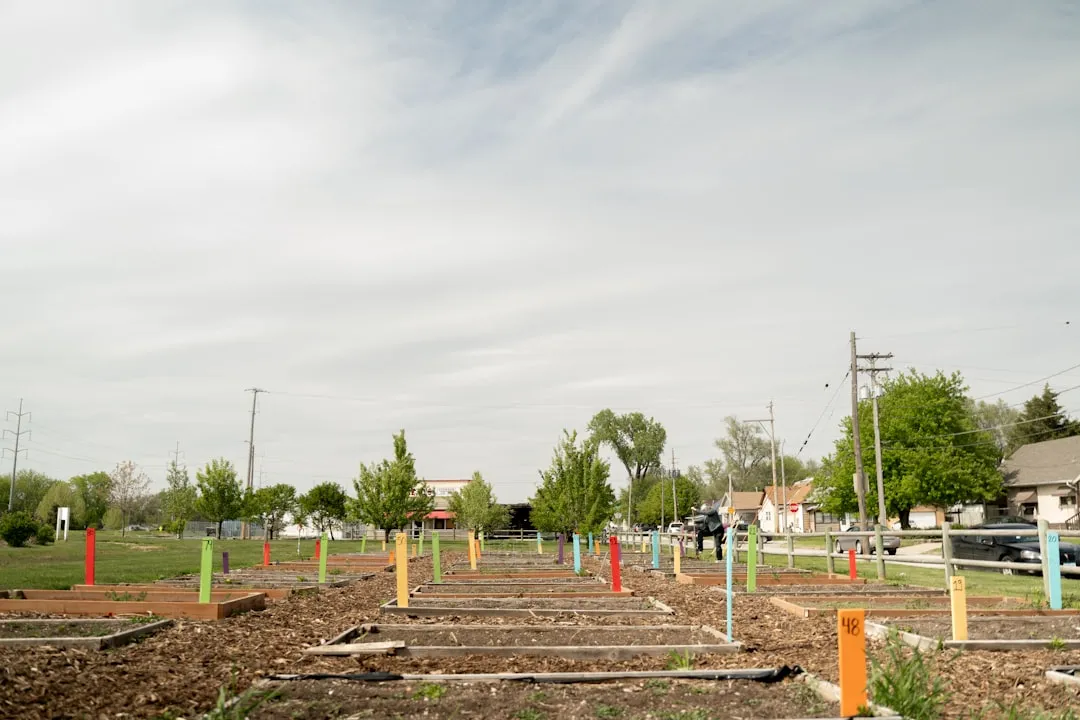
Some residents appreciate the greenery and sustainability of front yard food gardens. Others feel it disrupts the uniform look of the neighborhood. They miss traditional lawns and flower beds. The divide tends to follow predictable lines: people who prioritize self-sufficiency and environmental values on one side, and those who see consistent aesthetics as a shared community obligation on the other.
Formal complaints often hinge on claims that raised beds and tall plants break the look of the street. Neighbors are split between property rights and curb appeal, and a patch of soil can become a flashpoint for what a “nice” street should look like. What’s striking is how quickly a garden can transform from a private hobby into a neighborhood referendum.
HOA Rules and Zoning Codes: The Official Gatekeepers
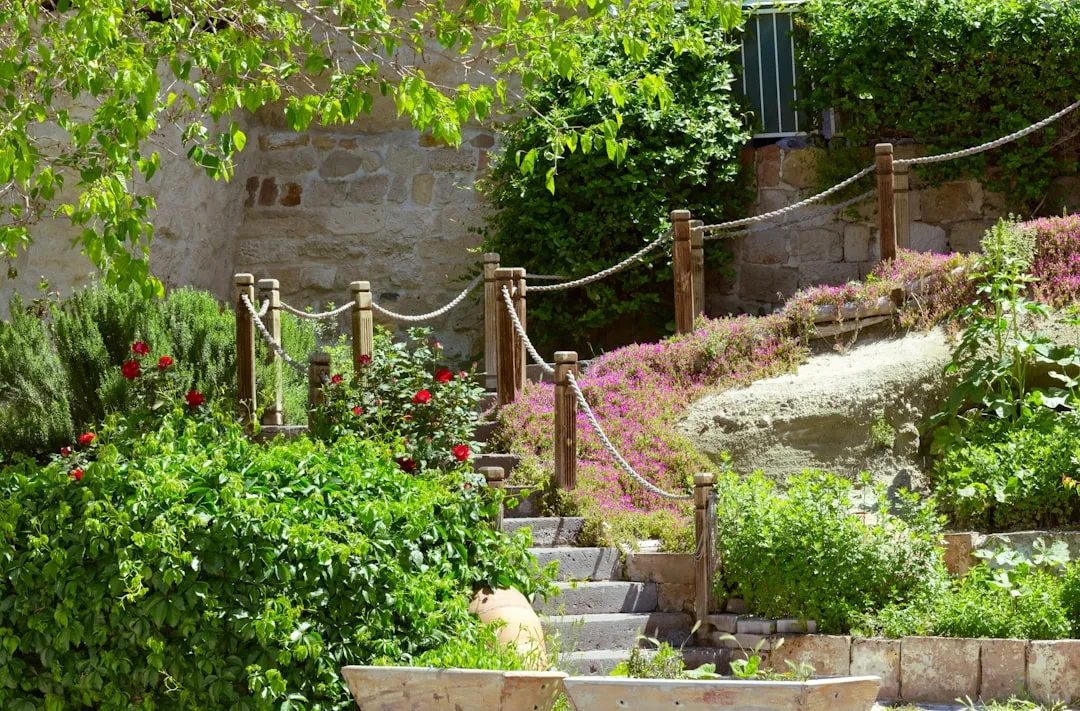
Many local laws require front yards to maintain “ornamental” landscaping or restrict the types of plants allowed in certain zones. Officials often justify those rules by arguing that consistent landscaping protects property values and preserves neighborhood character.
Tomatoes, squash, and corn tend to be banned in front yards by many HOAs because they need cages or structures, grow unevenly, and attract rodents. Some CC&Rs specifically limit edibles to rear plots only. Because HOA rules stem from private contracts rather than municipal law, they can carry significant enforcement power, and associations can impose fines, place liens on properties, and pursue legal action if homeowners refuse to comply.
With over 40 million Americans living in HOA communities, this is not a niche issue. The reach of these private agreements is enormous, and most homeowners don’t fully appreciate the landscaping restrictions they agreed to until there’s a letter in the mailbox.
The Legal Landscape Is Shifting
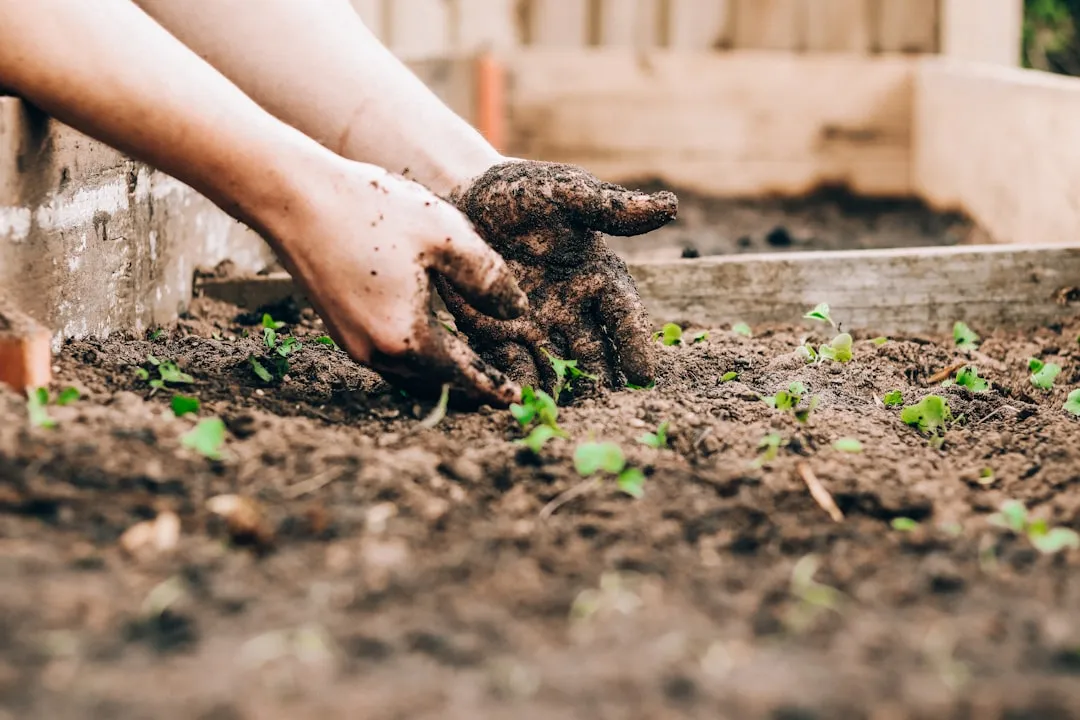
Right-to-garden laws are state-level statutes that prevent local governments and HOAs from banning residential food gardens. These laws have gained serious momentum since 2019, and by 2026, at least a handful of states have enacted some form of garden protection.
Florida led the charge with SB 82 in 2019, which was the first state law in the US to explicitly ban local governments from prohibiting vegetable gardens on residential properties. The law passed after the Miami Shores case drew national attention. Some states, like California, have explicit laws protecting your right to grow food at home. Others, like Texas, attempted to pass garden-protection bills in 2025 but failed, leaving HOAs with broad authority to ban vegetable gardens entirely.
As of 2026, more US jurisdictions allow front yard vegetable gardens than at any previous point. The legal trend has shifted strongly in favor of home food production over the past five years. Still, the patchwork nature of local codes means enforcement varies wildly from one zip code to the next.
The Case for Flowers: Curb Appeal by the Numbers
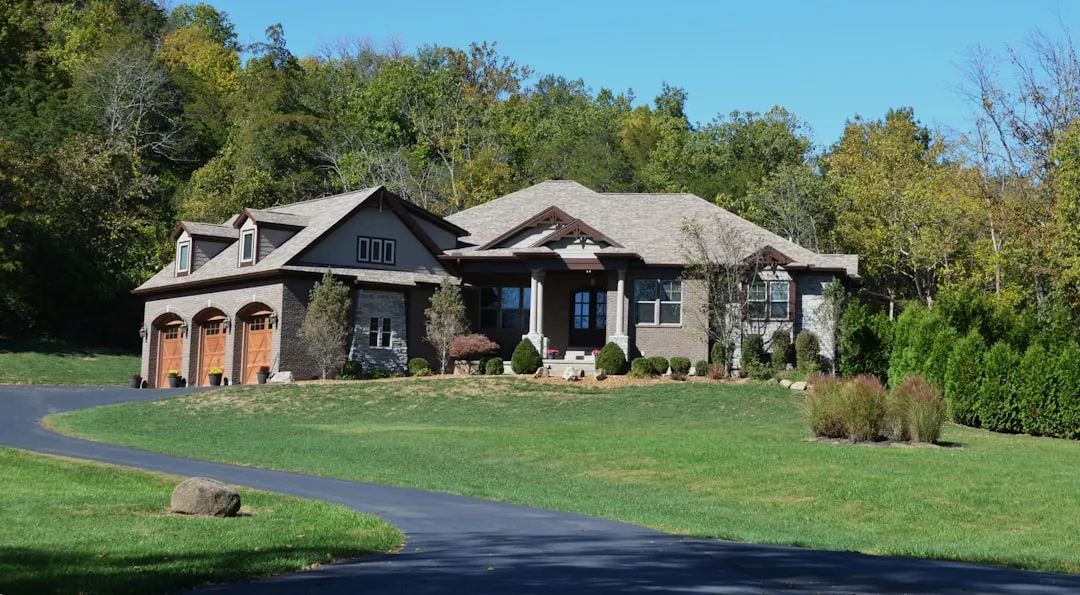
Flowers have a clear advantage in the conventional real estate calculus. In 2024, roughly three in five homeowners reported that landscaping projects were their top priority for summer home improvements, and a well-maintained lawn is considered essential by about seven in ten homeowners for improving a home’s curb appeal.
Incorporating fresh flowers into landscaping is a priority for nearly two thirds of homeowners aiming to enhance their home’s exterior. According to realtors, the vast majority recommend improving curb appeal before listing a home for sale to attract buyers. Colorful blooms photograph well, read as low-maintenance to buyers, and align with what most people still picture when they imagine a welcoming front yard.
When study participants saw images of a well-kept lawn and colorful flowers, they signaled that the home’s value was greater because of it. That perception, fair or not, has real market consequences.
The Property Value Argument: More Nuanced Than It Looks
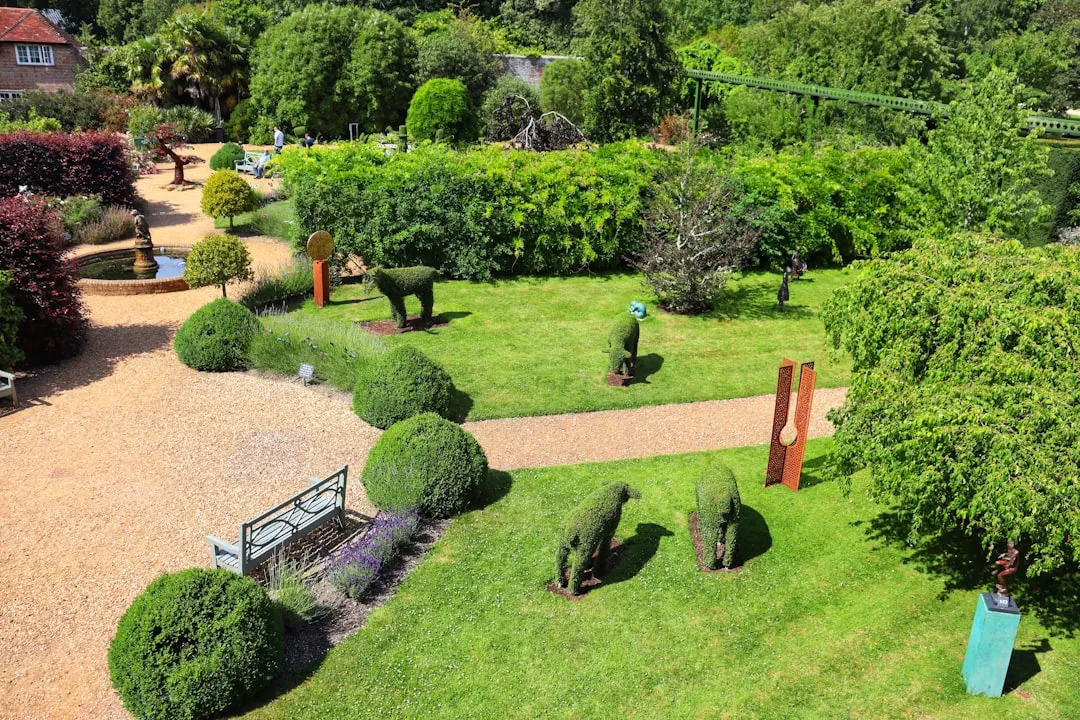
According to studies, landscaping can increase property values by up to 20%. The reason is clear: potential homebuyers often perceive outdoor appeal as a reflection of the overall care that has been taken with a property. The key word there is “perception.” A well-maintained vegetable garden can project the same sense of care, but it requires a buyer who sees it that way.
Some believed vegetable gardens could lower resale appeal. Others argued modern buyers might appreciate sustainability. That split reflects a genuine generational and cultural shift in what buyers value, and it’s becoming harder for either side to claim an absolute truth about which yard type “wins” in every market.
Well-designed landscaping can increase a home’s resale value by as much as 20 percent, and that is a difference that can set a property apart in a crowded market. The operative phrase is “well-designed,” which is ultimately neutral to whether it’s edible or ornamental.
Design Matters More Than Plant Type
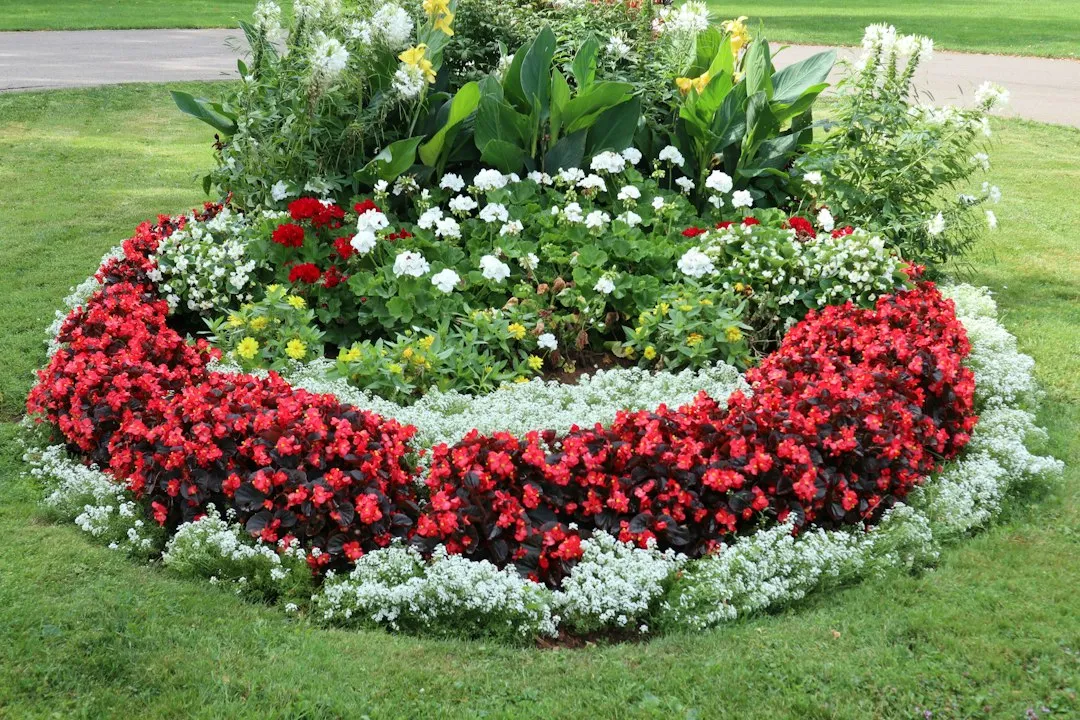
A tidy, well-designed edible landscape is much harder for neighbors to object to than an overgrown patch. This is one of the most practical truths in the entire debate. A raised bed built from cedar with clean corners and matching trim looks intentional. A sprawling tangle of volunteer tomatoes in compacted soil looks like neglect, whether it produces food or not.
To keep an edible front yard looking good through every season, incorporating attractive perennials, evergreens, and structural elements such as obelisks, vertical supports, paths, and attractive fencing helps considerably. The structure signals maintenance. Neighbors tend to respond to the appearance of care more than to the specific plants themselves.
If there’s an HOA, reading the exact clause they’re pointing to can be revealing, since sometimes it bans “vegetable patches” but allows “ornamental beds,” which is a loophole if you mix edibles with ornamental structure. Mixing food plants with flowering herbs, ornamental grasses, or perennial borders can satisfy both camps surprisingly well.
The Seasonal Visibility Problem
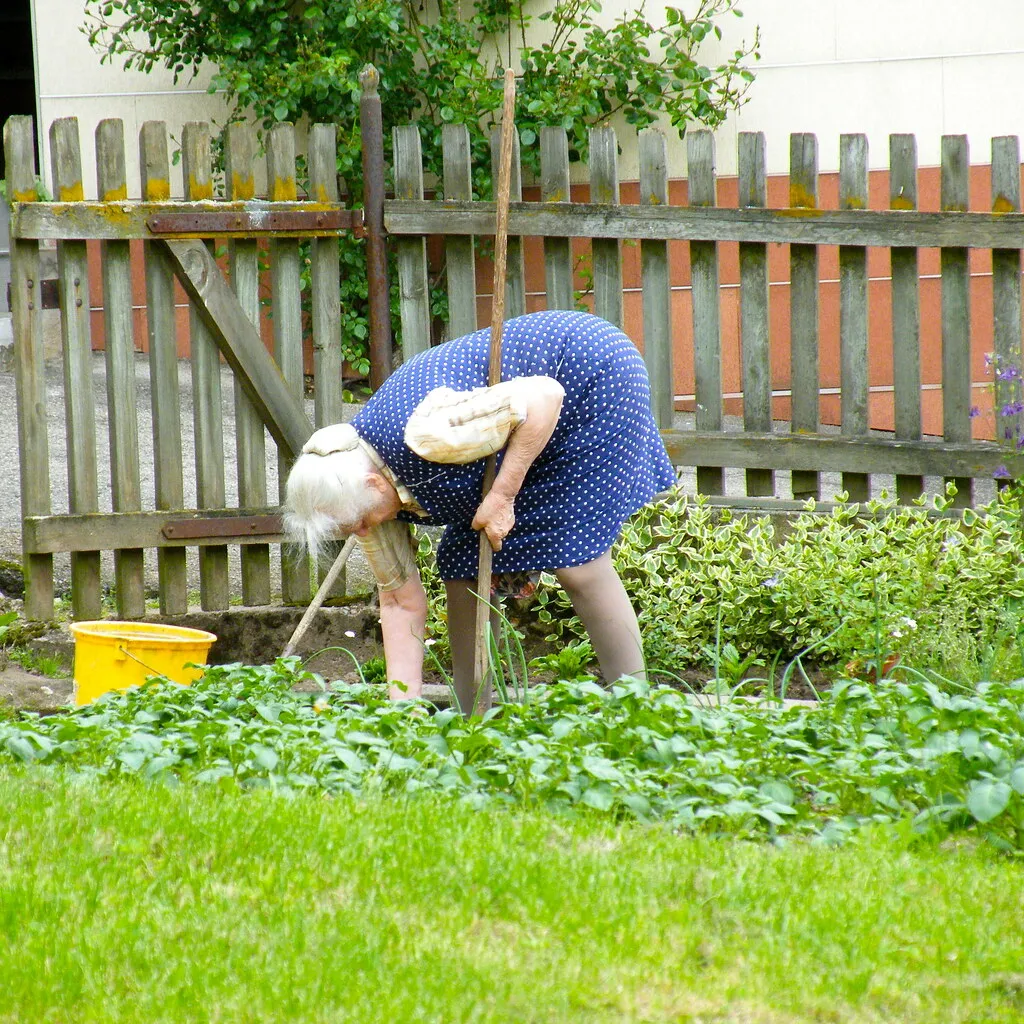
One honest challenge that flower advocates rarely face is the seasonal gap. People will notice if the whole thing falls apart at the end of summer, when most food crops are harvested. A front yard full of bolted lettuce and spent tomato cages in October reads very differently than a flower garden going dormant gracefully under its own mulch.
Nearly three quarters of realtors recommend sellers complete a landscape maintenance program before listing a home for sale. That seasonal discipline is easier to maintain with perennial flowers than with annual vegetables, which demand full replanting each year and leave bare soil during the off-season. It’s not an insurmountable problem, but it is a real one that vegetable garden advocates should plan around honestly.
Finding Ground Between the Two Sides

Some local governments have used zoning ordinances to clarify the use of front yards for gardens, balancing the needs of encouraging urban farming with the aesthetic sensibilities of neighbors. Local governments can address concerns about the appearance of front yard gardens by not allowing invasive species and requiring all urban agriculture to be well maintained and aesthetically pleasing.
The biggest misstep is to frame it as a fight. Most conflicts cool when people feel considered. Practical steps like matching raised bed materials to the house trim, keeping plants below 24 inches near the sidewalk, and staying on top of seasonal cleanup address the most common neighbor objections without requiring anyone to give up their garden entirely.
When zoning regulations allow gardening by-right on residential properties, homeowners face fewer barriers to producing their own food and may have greater access to healthy and fresh food. The direction of regulation is clearly moving that way, even if unevenly. The street-level debate, though, still has to be resolved neighbor by neighbor.
The Takeaway
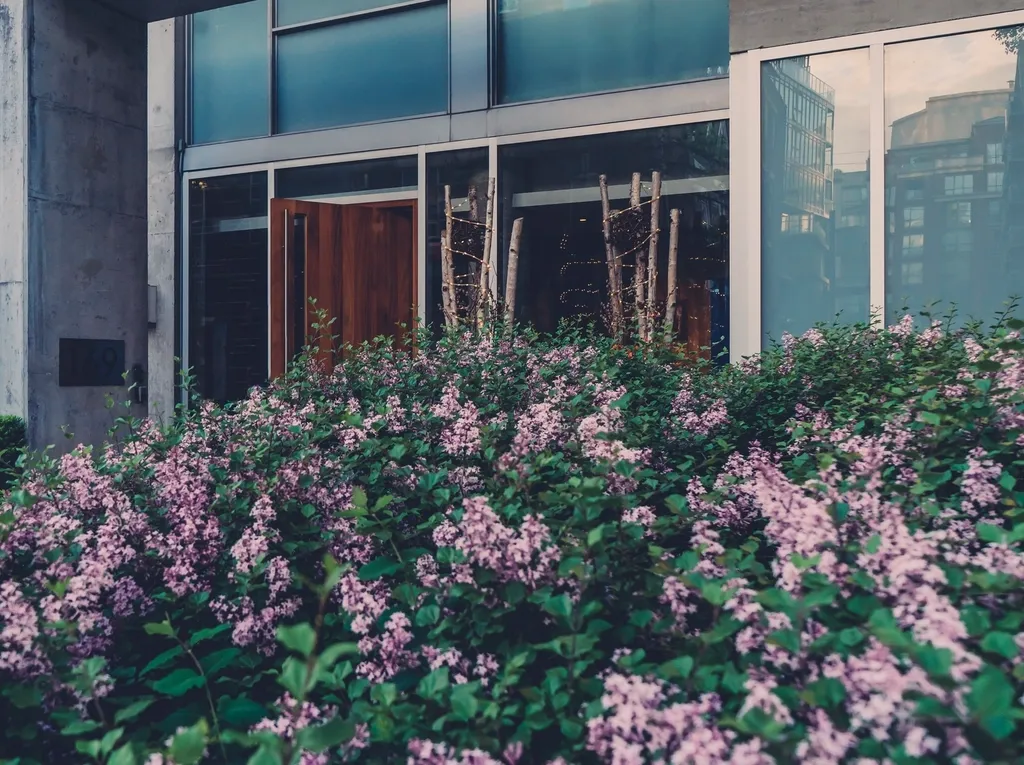
The front yard garden debate is genuinely interesting because it isn’t really about plants at all. It’s about competing definitions of community, beauty, and what homeownership actually entitles you to do in public view. Flowers have tradition, real estate data, and broad visual consensus behind them. Vegetables have practicality, environmental logic, and a growing body of legal protection.
Neither side is wrong, exactly. A front yard full of zinnias is lovely. So is one producing basil, cherry tomatoes, and climbing beans, provided it’s maintained with the same care anyone would give to anything facing the street. The debate tends to soften considerably once the food starts growing and a neighbor accepts a bag of cucumbers. Generosity, it turns out, is still the fastest route to a quiet block.
AI Disclaimer: This article was created with the assistance of AI tools and reviewed by a human editor.