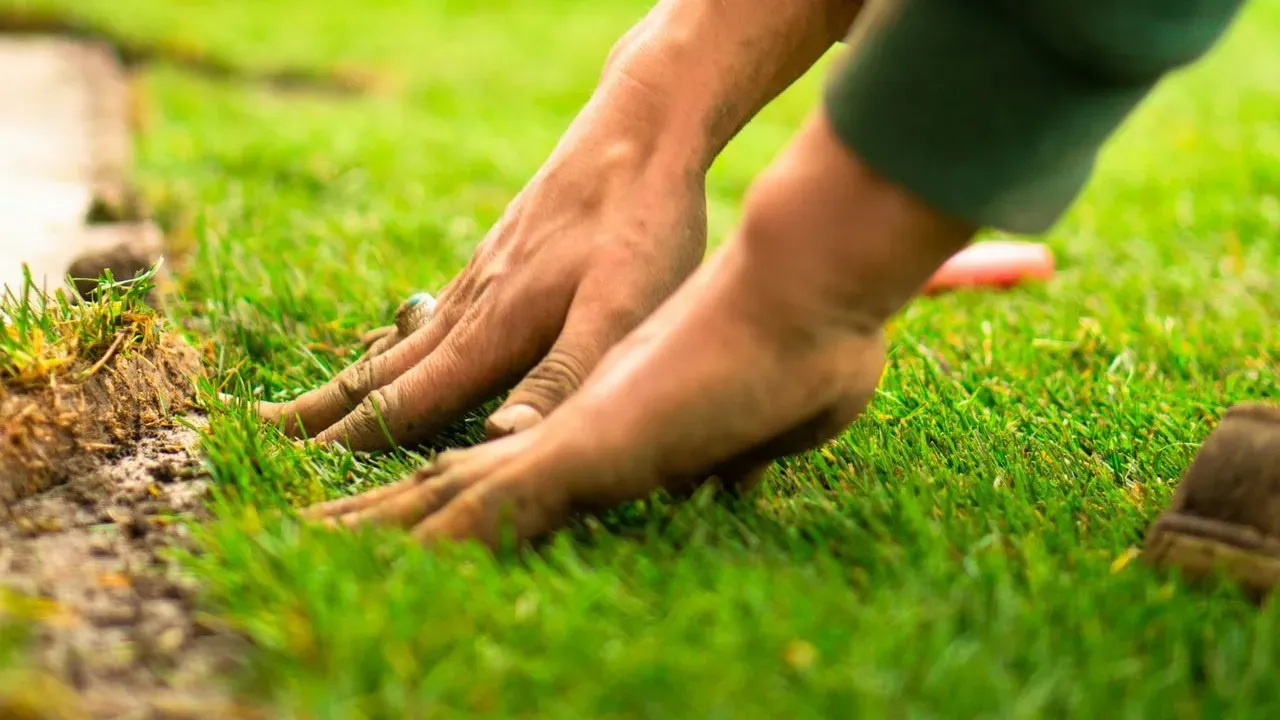

Many homeowners look at a strip of grass and imagine colorful perennials instead. Kaleb Wyse of Wyse Guide has pursued that vision as part of a four-year pathway project, where sections of lawn along a garden route are being turned into new planting areas. The work begins well before any plants arrive, with careful attention to clearing the existing turf and improving the ground beneath it.
Why a Clean Slate Matters
Removing the grass and its roots entirely creates space for new growth without constant competition. Grass left in place often sends runners back into the bed, requiring repeated weeding or chemical controls that many gardeners prefer to avoid. A thorough removal also allows planting to begin immediately rather than waiting for the turf to die back over weeks or months. The approach keeps the soil in a more natural state, which supports healthier root development for the perennials that will follow. In Wyse’s project, this step forms the base for borders that are meant to thrive for years along the pathway.
Renting and Operating a Sod Cutter
For areas larger than a small patch, hand digging quickly becomes impractical. Renting a sod cutter for a single day provides an efficient solution that handles the volume of work while keeping costs reasonable. The machine lifts the grass in manageable strips that can often be reused elsewhere in the yard. Operators set the blade depth to roughly two inches along the outer edge to capture a solid root zone. Interior passes are adjusted slightly shallower to produce lighter rolls that are easier to move. Work proceeds best when the soil holds some moisture, as dry conditions cause the turf to break apart and create extra cleanup. The process starts with freehand cuts to define the bed’s curve, followed by straight passes inside that outline. Areas around trees or obstacles still require some hand finishing. Once the sod is gone, a half-moon edger creates a four-inch trench along the border to discourage future grass invasion.
Adding Compost for Soil Improvement
After the grass is cleared, the exposed soil benefits from an even layer of organic material. Wyse spreads a product such as Espoma Organic Land & Sea Gourmet Compost across the full area and rakes it smooth. The fine texture serves two purposes at once: it protects the bare ground from rapid drying and begins to enrich the soil with nutrients and organic matter. This amendment supports long-term soil health rather than providing only a quick boost. The layer remains light enough not to overwhelm the planting surface yet substantial enough to make a measurable difference as roots establish.
Looking Ahead in the Project
The preparation work described here forms only the opening phase of the larger pathway renovation. With the sod removed and the soil conditioned, the site stands ready for the next stage of layout and planting. Homeowners who invest similar effort at the start often find fewer maintenance issues later and stronger plant performance over time. The same sequence applies to smaller beds as well, though the equipment and scale adjust accordingly. Careful groundwork ultimately determines how successfully a former lawn area transitions into a productive flower border.
AI Disclaimer: This article was created with the assistance of AI tools and reviewed by a human editor.