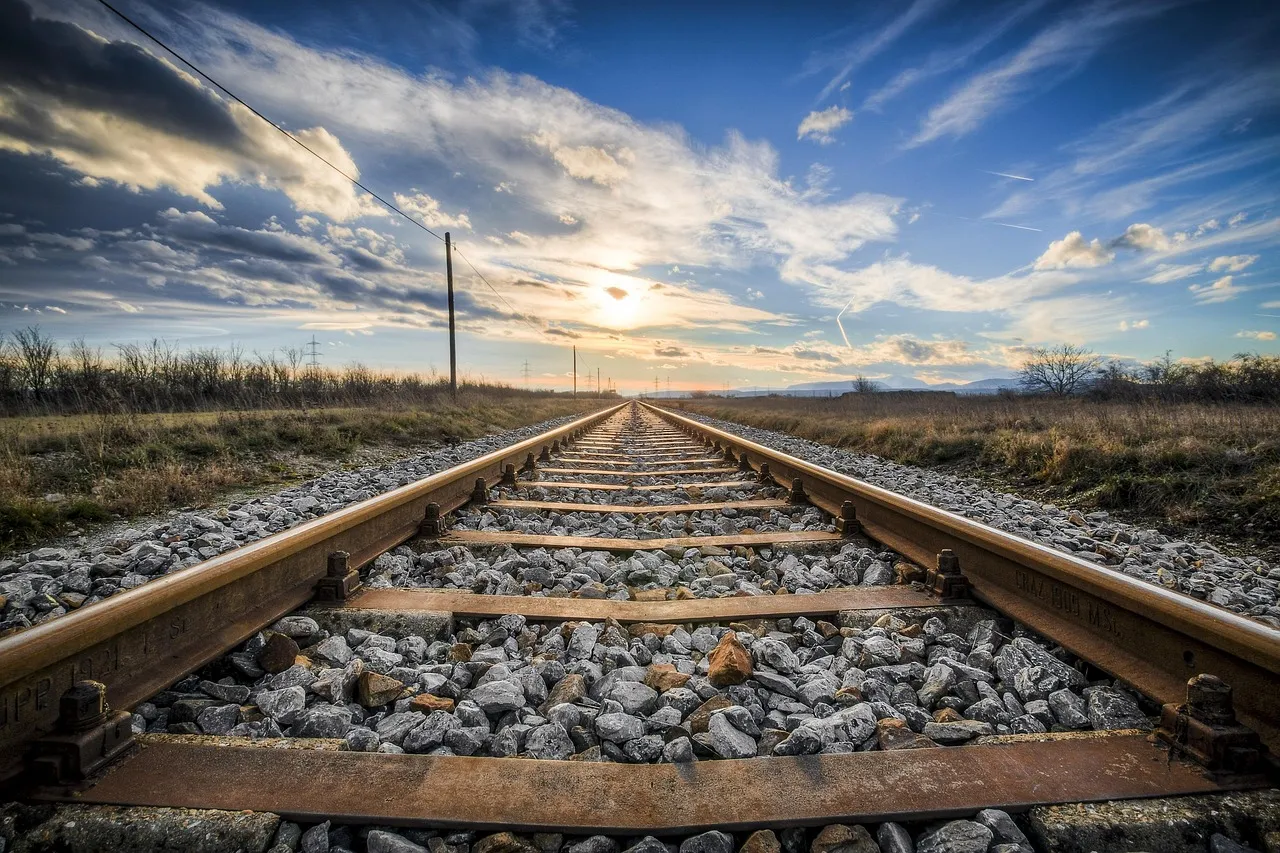

At the height of America’s railroad era, steel tracks stitched the country together in ways that felt permanent. They crossed mountains, bridged rivers, and ran straight through the hearts of small towns. Nobody imagined that much of this infrastructure would one day go silent.
Today, those abandoned corridors are finding a second life. What was once rusting track and overgrown gravel is slowly being reborn as paved trail, green pathway, and community gathering space. The scale of this transformation is hard to overstate, and it’s still actively unfolding.
How It All Began: A Country That Overbuilt Its Rail Network
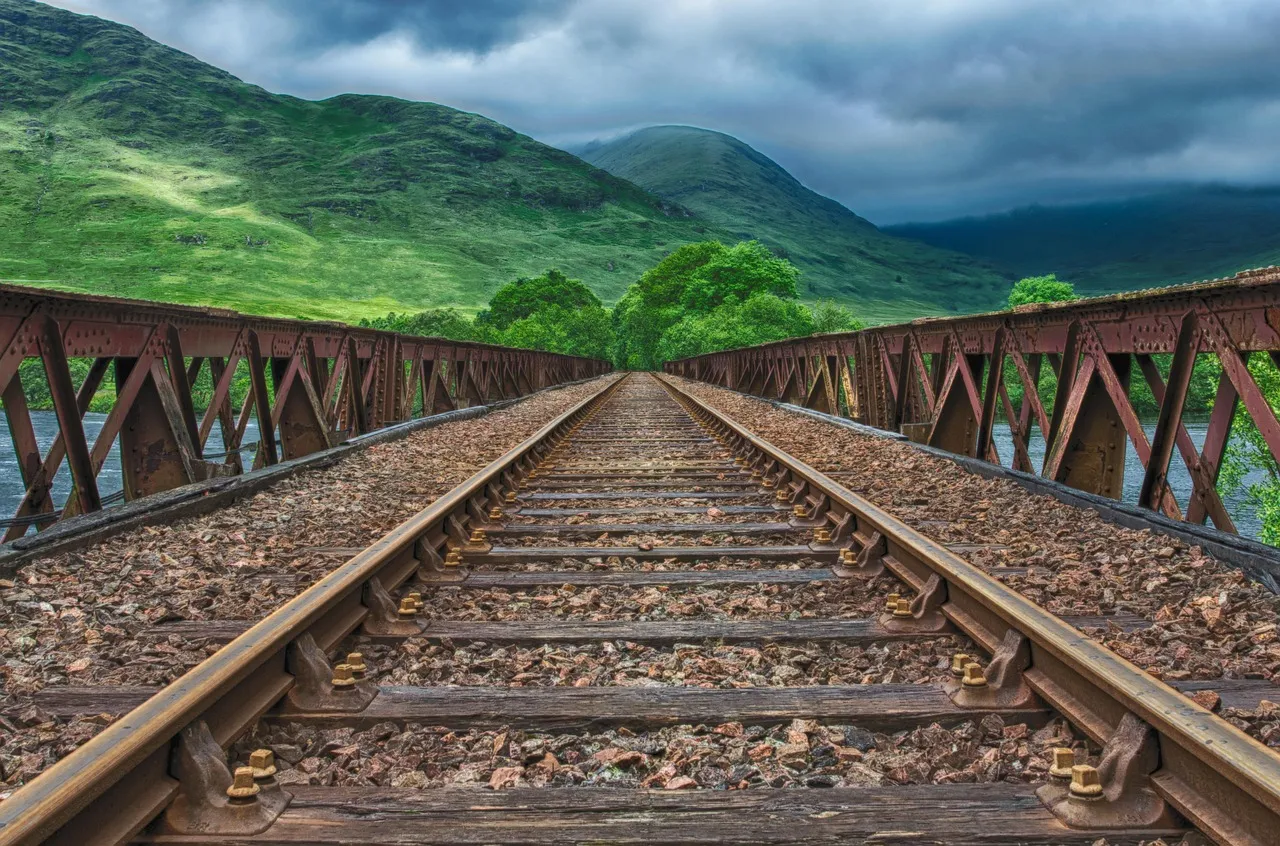
In 1916, at the peak of the United States’ construction and development of rail lines, more than 275,000 miles of track crisscrossed the country, carrying freight and passengers and fueling the economy and growth of the nation. The system was vast, competitive, and largely unplanned. More than 1,400 unused railways traverse the plains, mountains, coastlines, and cities of the United States today, according to Abandoned Rails. The collapse of railroad commerce in the mid-20th century left behind thousands of miles of corridor with no clear purpose.
Peter Harnik, co-founder of the Rails-to-Trails Conservancy, has spent years explaining grassroots and legislative efforts to repurpose these abandoned railroad lines as recreational trails, including why the United States has so many of them, the process of converting a line into a trail, and the legislation that provides funding for such projects. The story of these lines is, in many ways, the story of American ambition running faster than it could sustain itself.
The Rails-to-Trails Movement Takes Shape
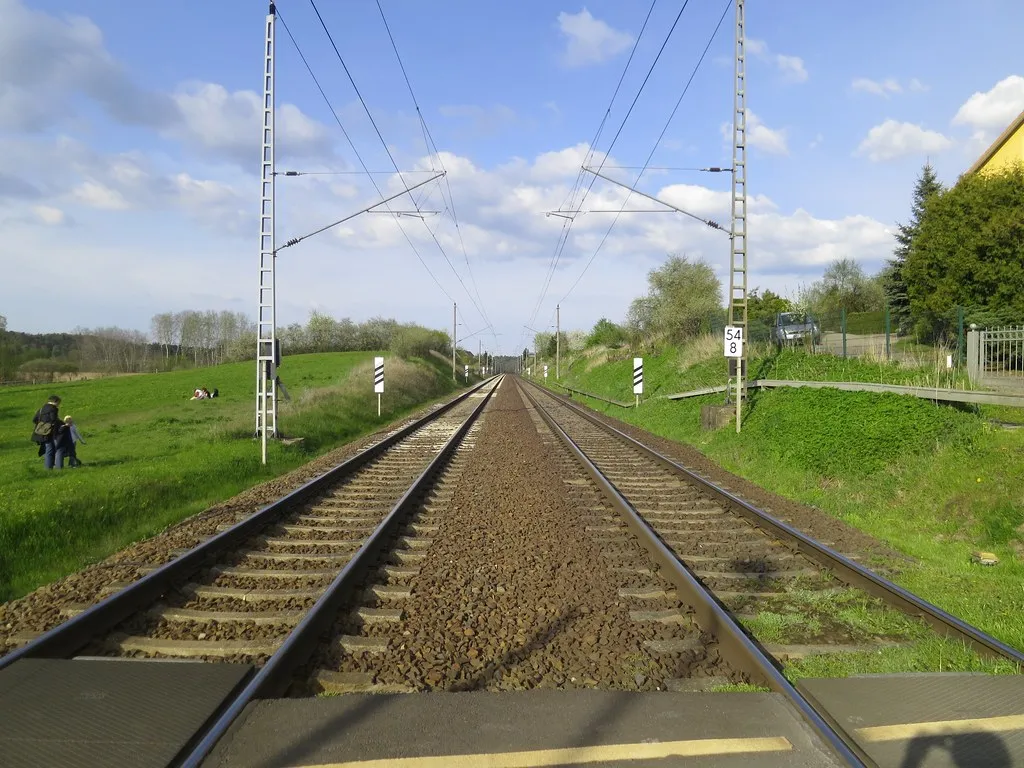
Since 1986, groups of visionary minds led by the Rails to Trails Conservancy have been repurposing some of these abandoned railways as biking and hiking trails. What started as a grassroots idea gradually gained federal backing, legal structure, and serious funding. Rails-to-trail projects are far more complex than pulling up abandoned railroad tracks and converting the rail bed into a walking and bicycling corridor.
Edward Norton narrates a PBS documentary telling the story of one of the most unlikely social movements in American history: the struggle to convert thousands of miles of abandoned railroads into trails for cycling and walking, facing fierce opposition and legal challenges from private property owners, as leaders fought to reclaim these corridors for the public. What began as a fringe idea is now a national infrastructure movement with real political weight.
The Numbers Today: A Network That Keeps Growing

Since 1986, Rails to Trails Conservancy has stood at the forefront of America’s efforts to make it safer and easier to walk, bike and be active outside, and with more than 42,500 miles of multiuse trails on the ground nationwide, and more than 150 trail networks in development reaching into every single state, people in all types of communities now rely on this infrastructure. The pace of growth has been steady and compounding.
Today, there are more than 41,000 miles of multi-use trails that stretch from coast to coast, with nearly 2,500 rail trails. That figure grows each year as new corridors are acquired, converted, and opened to the public. The sheer geography of this network, running through industrial cities, farm country, and coastal towns alike, is part of what makes it unusual as a piece of American public infrastructure.
The Great American Rail-Trail: A Cross-Country Ambition
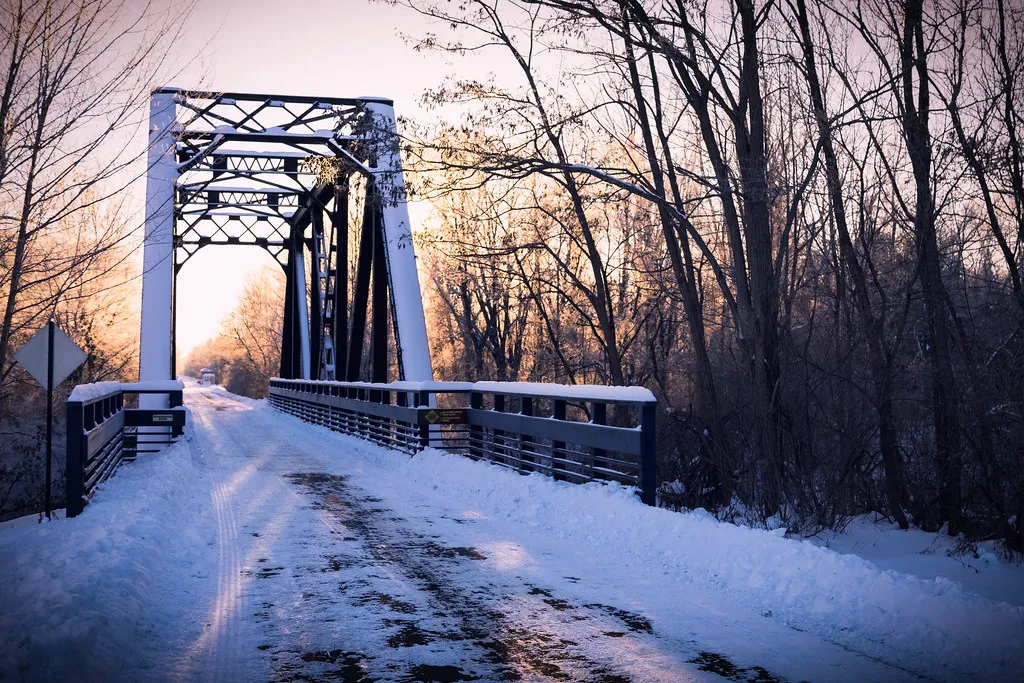
RTC is building the Great American Rail-Trail, which will link the East and West coasts with 3,700 miles of multiuse, car-free trails through 12 states. It is one of the most ambitious trail projects ever attempted in the country. According to RTC’s mapping analysis, 2,085 miles of the Great American Rail-Trail are complete, representing nearly 56% of the route, and projects to complete 160 miles are in the pipeline for development in the coming years.
In 2025 alone, nearly $30 million in new local, state, federal and private investment was secured for the project, and 18 miles of new completed trail segments came online, including in Ohio, Indiana, Iowa, Nebraska, Wyoming and Washington. Progress has been real and measurable, even if the full route remains years away from completion. When finished, the Great American will serve 50 million people living within 50 miles of the trail and millions of additional visitors from around the world.
Economic Ripples: What Trails Do for Local Communities

The Great American Rail-Trail is expected to generate more than $104 million in labor income each year, supported by trail visitors spending money at local businesses and directly supporting workers. The economic logic is straightforward: people who travel to use a trail eat, sleep, and shop nearby. In 2024, researchers at Clemson University released a study of the economic impact of the proposed Saluda Grade Trail, examining effects across five counties in South Carolina and North Carolina, finding that during the construction phase, there would be a $43.5 million increase in goods and services annually.
The Mass Central Rail Trail, a developing 104-mile multiuse trail network connecting 26 communities, offers access to healthy recreation options and safe transportation, and once complete, it’s expected to bring a $200 million economic boost and up to 5 million visitors annually. These numbers tend to surprise people. A walking path does not look like an economic engine, but the data consistently says otherwise.
New Trails Opening in 2024 and 2025
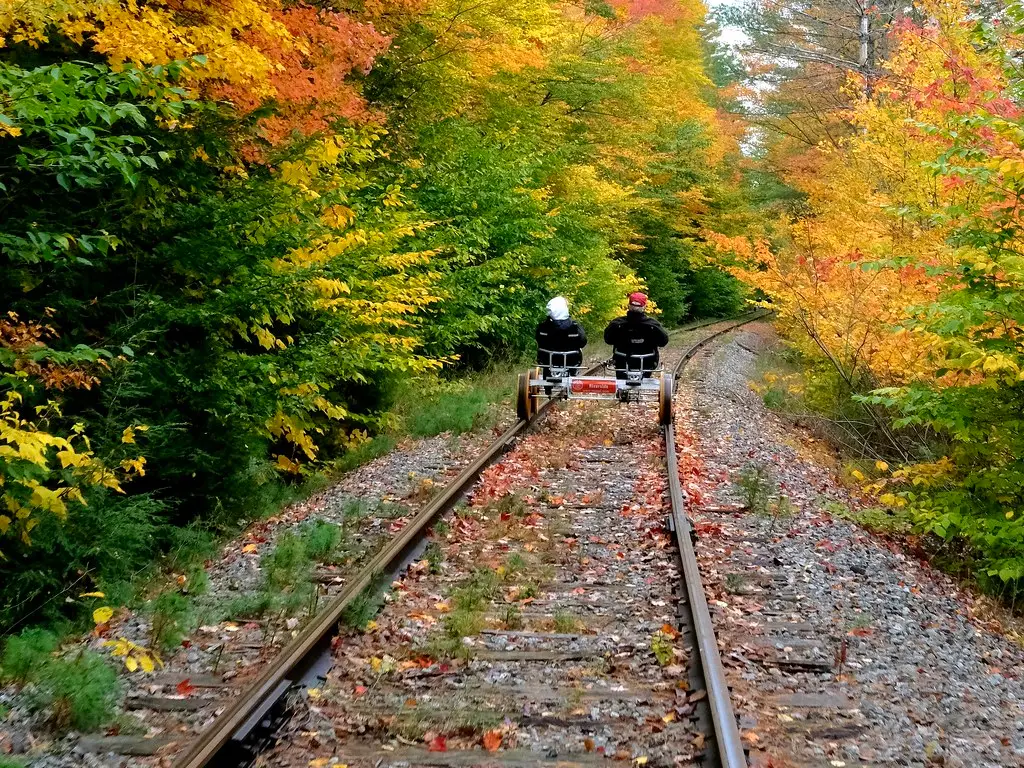
West Virginia opened the Clear Fork Rail Trail project in 2024, reclaiming a section of the former Virginian Railway, once a key coal transport corridor in the early 20th century, which had served mining communities in the Clear Fork Valley until freight operations declined in the mid-1900s. Its transformation from coal corridor to recreational trail carries a kind of symbolic weight that is hard to miss.
The Ecusta Trail in western North Carolina opened in July 2025, with hopes that it becomes a key segment in the proposed 100-mile Hellbender Trail network across western North Carolina. These openings are happening regularly now, scattered across different states and communities, each with its own history embedded in the landscape. The pipeline of projects under development suggests this pace will continue through the late 2020s.
Railbanking: The Legal Tool That Makes It Possible

Railbanking, established in 1983 as an amendment to the National Trails System Act, is a popular and effective tool to preserve unused rail corridors for future transportation needs while allowing interim use as recreational trails, and through this statute, Congress has safeguarded America’s rail corridors, ensuring they remain available for potential rail reactivation while providing communities with trails for walking, biking and being active outside. Without railbanking, many of these corridors would have simply reverted to adjacent landowners and been lost permanently.
From 1983 to 2026, 273 rail-trails have been created through railbanking, spanning 4,800 miles of railbanked trail. That is a quiet but substantial contribution to the national trail network. The legal mechanism essentially buys time for communities to build the political will and funding to convert a corridor before it disappears forever.
Urban Equity and Underserved Communities
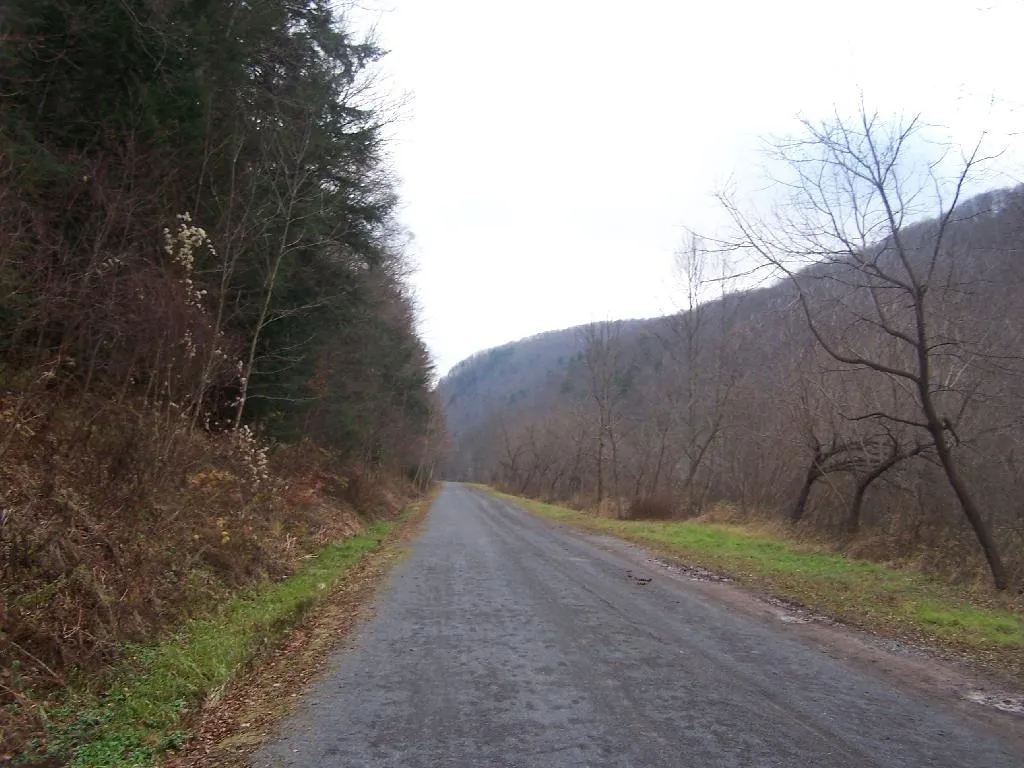
In the heart of Milwaukee’s north side, RTC is advancing a 7.2-mile rail-with-trail project along the 30th Street Corridor, a neighborhood that has historically had limited access to green space and safe places to walk or bike. Rail trails in urban areas can function as meaningful equity infrastructure, not just recreational amenities for suburban cyclists. One planned trail will serve as the spine of an emerging trail network in a rural community where more than a quarter of residents live below the poverty line.
In California’s Bay Area, a groundbreaking partnership with the local metropolitan planning organization secured $200,000 over three years to advance the 500-mile San Francisco Bay Trail, and over the past year, Bay Area Trails Collaborative projects have received more than $48 million in funding wins. Access to safe outdoor space, it turns out, is increasingly being treated as a public health and equity issue, not just a lifestyle preference.
Political Headwinds: Funding Threats in 2025 and 2026

While trails have enjoyed congressional support from both sides of the aisle since the late 1960s, 2025 saw substantial cuts for active transportation, with the Department of Transportation citing trails as “hostile to motor vehicles,” and a bill was introduced in the House that would effectively eliminate railbanking. The shift in federal tone caught many trail advocates off guard. The “Rails to Trails Landowner Rights Act” (H.R.4924) effectively destroys the viability of railbanking, undercutting the law at the foundation of the nation’s decades-long movement to preserve unused railroad corridors as multiuse trails.
Trail sponsors would be required to conduct and pay for cost-benefit analyses addressing topics that many consider irrelevant, and these administrative requirements could delay the railbanking process and add expense, discouraging trail sponsors like local governments from protecting rail corridors. The legislation has not passed as of mid-2026, but its introduction has created real uncertainty about the legal ground beneath future projects. Despite these challenges, RTC’s current goals are to increase connectivity and make sure that the nation’s existing trails are running the best that they can.
What the Future Holds for America’s Green Corridors

With more than 150 trail networks in development reaching into every single state, people in all types of communities now rely on this infrastructure. The movement has crossed a threshold where it is no longer a niche cause. It is part of how towns plan, how developers value property nearby, and how residents think about their neighborhoods. In 2024, the Delaware Valley Regional Planning Commission proposed landmark funding of more than $200 million for the Circuit Trails, a project that will connect 800 miles of trails in the Greater Philadelphia-Camden area.
Across the country, trails and walking and bicycling networks are essential ingredients for economic vibrancy, safe transportation, health and happiness, and they are delivering vital benefits, bringing individuals and families together, revitalizing neighborhoods and enhancing America’s quality of life. The transformation of a rusting rail corridor into a living green path is, on one level, a story about infrastructure. On another, it’s about what a community decides is worth preserving, and what kind of place it wants to become.
Forty years into this movement, the question is no longer whether rail-to-trail conversion works. The miles, the economic data, and the packed weekends on finished trails have answered that. The harder question now is whether the political will to keep converting, connecting, and protecting these corridors can keep pace with the opportunity still sitting out there on more than 1,400 abandoned lines waiting to be reclaimed.
AI Disclaimer: This article was created with the assistance of AI tools and reviewed by a human editor.