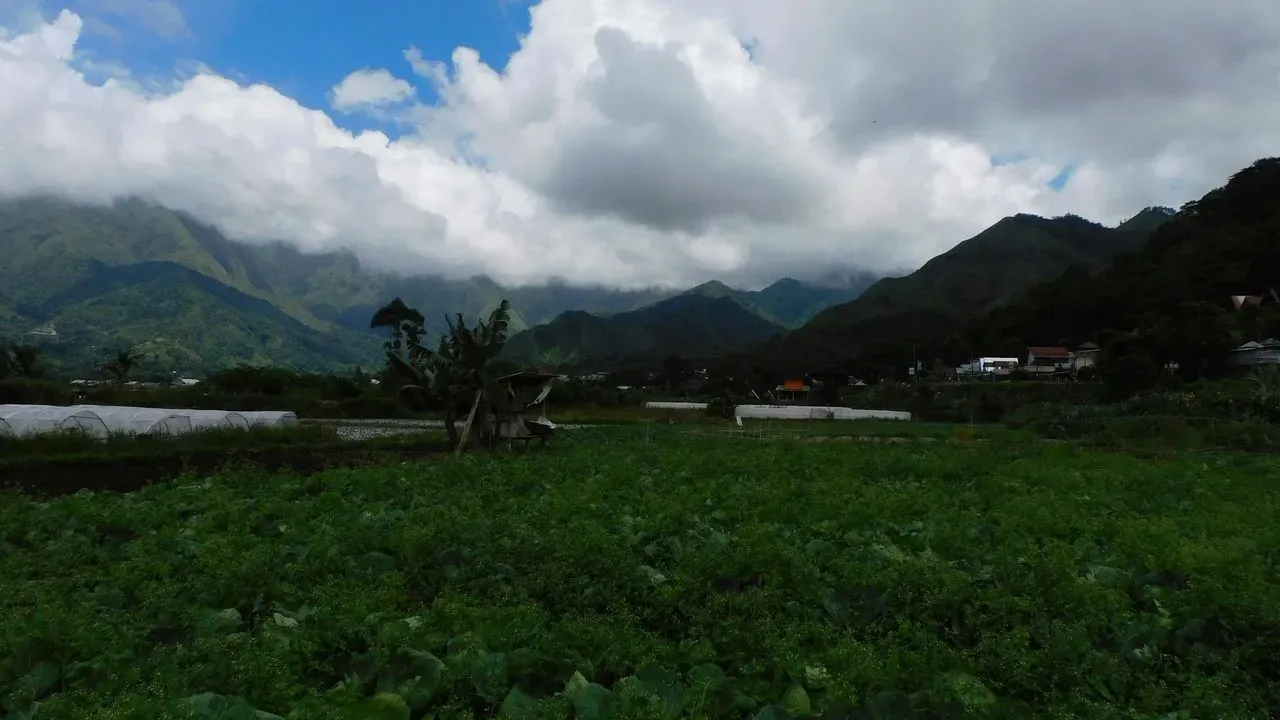

Janice arrived at her new mountain property with years of gardening experience but little else to work with. The land stretched out as open ground, exposed to the elements of a Zone 7 climate that brought distinct seasonal shifts and variable conditions. She began the work of turning that empty space into a structured garden, focusing on plants and features suited to the setting.
Adapting to a Different Growing Zone
Moving to the mountains required Janice to reassess what would succeed in the local conditions. Zone 7 offered a longer growing season than some higher elevations but still demanded attention to cold snaps and soil variations common in the region. She approached the project methodically, testing the ground and observing sunlight patterns across the open lot before making any plant selections.
The shift from her previous garden meant starting without established beds or mature plantings. This blank canvas allowed full control over layout but also meant every element had to be introduced deliberately. Janice prioritized hardy selections that could handle the mountain environment while providing color and structure through multiple seasons.
Key Plant Choices for Lasting Appeal
Roses became a central feature, chosen for their ability to add vertical interest and repeated blooms. Daylilies joined the mix for their reliability and extended flowering period, filling spaces with low-maintenance color. Shrubs provided backbone and winter interest, anchoring the beds against the open landscape.
These plants were placed with attention to their mature sizes and light needs. Roses occupied sunnier spots where they could receive adequate airflow, while daylilies filled mid-level areas. The shrubs created natural divisions and windbreaks where the property felt most exposed. Together they formed a layered planting that balanced height, texture, and seasonal change.
Adding Structure Through Pathways and Containers
Welcoming pathways connected the different garden areas and made the space easy to navigate. These routes guided movement from one planting zone to another while preventing soil compaction in the beds. The design kept the overall layout open yet purposeful, turning the once-empty property into a series of defined rooms.
Containers supplemented the in-ground plantings and allowed flexibility. They held seasonal displays near seating areas and entry points, bringing color closer to daily activity. Janice used them to test new varieties before committing them to permanent spots and to fill gaps while larger shrubs matured.
Creating a Cohesive and Usable Space
The combination of roses, daylilies, shrubs, containers, and pathways produced a garden that felt both personal and practical. The design addressed the challenges of starting from scratch by emphasizing resilience and accessibility. Over time the plantings filled in, softening the original openness while maintaining clear circulation.
Janice’s approach shows how a new location can become a thriving garden when selections match the climate and layout supports daily use. The result is a mountain retreat that reflects steady effort rather than instant transformation.
AI Disclaimer: This article was created with the assistance of AI tools and reviewed by a human editor.