
America’s most talked-about haunted destinations often owe their reputations less to unverified sightings and more to documented chapters of hardship, ambition and reinvention. A grand hotel that once posed as a cancer treatment center under a convicted fraudster, a silver-mining boomtown that rose and fell with breathtaking speed, and a quiet village that officially adopted the name of a famous literary ghost story all illustrate how real events can linger in the public imagination long after the original facts have faded. These places draw visitors year after year because their documented pasts already carry enough drama to stand on their own. ([1])
The Crescent Hotel’s Troubled Transformation
In the Ozark Mountains of Arkansas, the Crescent Hotel opened in 1886 as a luxurious Victorian resort. Within a few decades the property had served as a girls’ boarding school before a new owner purchased it in 1937 and reopened it the following year as a health resort claiming to treat cancer patients. Norman Baker, the man behind the venture, promoted unconventional therapies that drew national attention. Federal authorities later convicted him of mail fraud in 1940, and the facility closed shortly afterward. The building returned to hotel use and was added to the National Register of Historic Places in 2016. Its layered institutional history continues to attract travelers interested in the documented record rather than any single legend attached to the property.
Virginia City and the Comstock Lode
High in the mountains of Nevada, Virginia City emerged almost overnight after prospectors discovered the Comstock Lode in 1859. The strike marked the first major silver deposit in the United States and quickly turned a remote hillside into a bustling community. Population estimates for the area climbed from roughly 4,000 in 1862 to 25,000 by 1874. Wooden sidewalks, saloons and mining infrastructure defined daily life until the richest ore bodies were exhausted by the early 1880s. The district later received National Historic Landmark status, preserving the physical evidence of one of the West’s most intense mineral rushes. Today the surviving structures and mining remnants offer a tangible connection to that brief but transformative era.
Sleepy Hollow’s Literary Rebranding
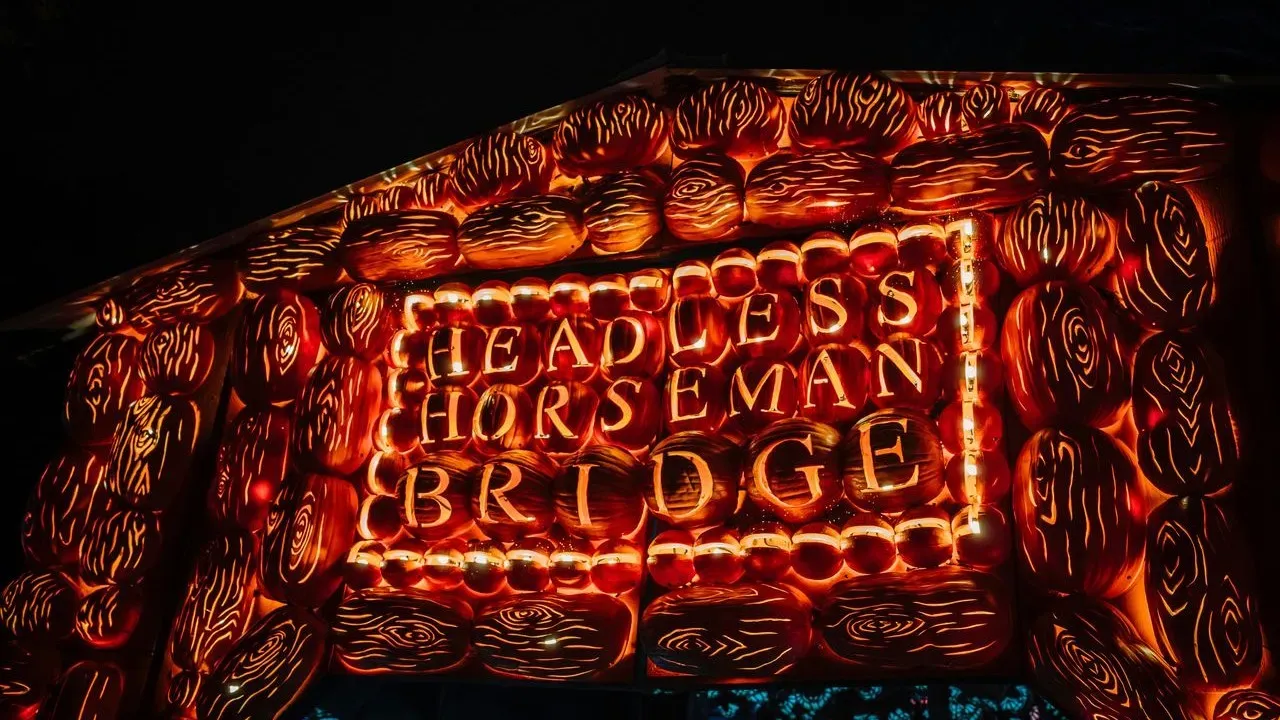
North Tarrytown, New York, officially changed its name to Sleepy Hollow in December 1996. The decision recognized the lasting influence of Washington Irving’s 1820 short story “The Legend of Sleepy Hollow,” whose Headless Horseman has shaped the village’s identity for generations. Irving’s former home, Sunnyside, stands nearby in Irvington, and the surrounding Hudson Valley region continues to host seasonal events tied to the tale. The rename itself stands as a clear example of a community choosing to embrace a piece of American literature rather than any claim of actual supernatural activity. Visitors encounter the story’s setting through preserved landscapes and local programming that highlight its cultural rather than paranormal roots.
Patterns Across These Historic Sites
Several common threads appear when the documented records of these locations are examined side by side.
- Each site experienced rapid social or economic change that left lasting physical traces.
- Official designations, including National Historic Landmarks and National Register listings, confirm the significance of the surviving structures and landscapes.
- Local governments and preservation groups have chosen to interpret the real events for the public rather than rely solely on folklore.
These elements help explain why the places remain compelling long after the original events concluded. Travelers who approach them with attention to verified history often find the documented stories more memorable than any embellished tale. The enduring draw of these destinations lies in their willingness to present the full record of ambition, loss and reinvention that shaped them. Visitors who seek out primary sources and preservation efforts leave with a clearer sense of how ordinary communities can become larger than life through the weight of their actual pasts.
AI Disclaimer: This article was created with the assistance of AI tools and reviewed by a human editor.