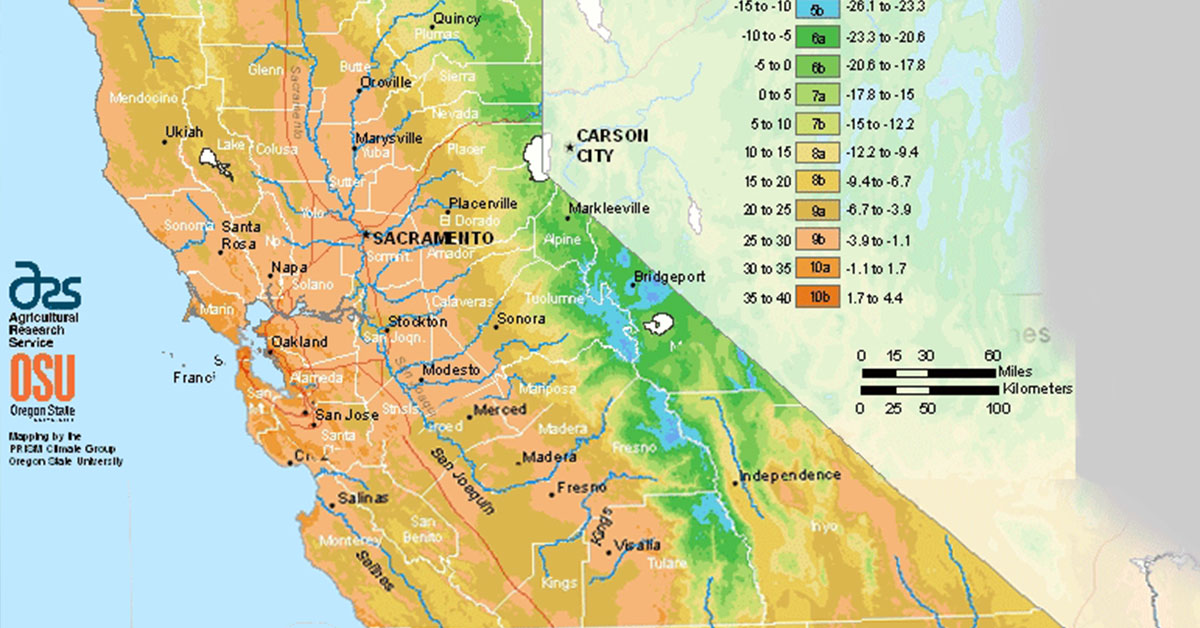

Welcome to the vibrant world of gardening in Fresno, California! Nestled in the heart of the San Joaquin Valley, Fresno offers a unique and diverse environment for plant enthusiasts. One of the key factors to consider when embarking on your gardening journey here is the USDA hardiness zone. Fresno falls within the USDA hardiness zone 9b, which means it experiences mild winters and hot summers.
This zone designation plays a crucial role in determining the types of plants that thrive in this region, ensuring that you can create a beautiful and flourishing garden tailored to Fresno’s specific climate conditions.
Whether you are a seasoned gardener or just starting out, understanding the USDA hardiness zone will be your compass in selecting the right plants and implementing effective gardening practices in Fresno. So, grab your gardening tools and let’s dive into the world of gardening in Fresno’s zone 9b!
What is Fresno’s USDA hardiness zone?
The USDA hardiness zone is a system developed by the United States Department of Agriculture (USDA) to categorize regions based on their average annual minimum temperatures. This system helps gardeners and plant enthusiasts determine which plants are most likely to thrive in a particular area. In the case of Fresno, California, the city falls under USDA hardiness zone 9b.
This means that Fresno experiences an average annual minimum temperature range of 25 to 30 degrees Fahrenheit (-4 to -1 degrees Celsius). The “b” designation indicates that Fresno is on the warmer end of the zone, closer to zone 10. Understanding the USDA hardiness zone is crucial for successful gardening because it helps gardeners select plants that can withstand the lowest temperatures in their region.
Plants that are not suited to a specific hardiness zone may struggle to survive or may require extra care and protection during extreme weather conditions. For gardeners in Fresno, zone 9b offers a relatively mild climate with long, hot summers and mild winters. This zone is ideal for a wide range of plants, including many popular fruits, vegetables, flowers, and ornamental plants. Some examples of plants that thrive in USDA hardiness zone 9b in Fresno include:
- Citrus trees: Fresno’s climate is perfect for growing citrus fruits such as oranges, lemons, and grapefruits. These trees enjoy the long, hot summers and can tolerate the occasional light frost in winter.
- Tomatoes: Fresno’s warm temperatures allow for an extended growing season, making it an excellent region for growing tomatoes. Both determinate and indeterminate varieties can be successfully cultivated.
- Roses: Fresno’s mild winters and hot summers create an ideal environment for growing roses. With proper care and maintenance, roses can bloom abundantly throughout the year.
- Succulents: The arid climate of Fresno makes it an excellent location for growing a variety of succulents. These plants are well-adapted to drought conditions and can thrive with minimal water requirements.
- Mediterranean herbs: Herbs like rosemary, thyme, and oregano, which are native to Mediterranean climates, do exceptionally well in Fresno’s zone 9b. They can tolerate the heat and dry conditions, making them perfect additions to any herb garden.
It’s important to note that while the USDA hardiness zone provides a helpful guideline, other factors such as soil type, sun exposure, and local microclimates can also impact plant growth. It’s always a good idea to consult with local nurseries or gardening experts for specific plant recommendations and care tips in your area.
When can you plant your garden in Fresno?
In Fresno, which falls under USDA hardiness zone 9b, the ideal planting times can vary depending on the type of plant you are planning to grow. Generally, Fresno has a Mediterranean climate with hot, dry summers and mild, wet winters. Here are some guidelines for planting different types of plants:
- Vegetables and Herbs: In Fresno, the growing season for vegetables and herbs is relatively long. You can start planting cool-season crops like lettuce, kale, spinach, and broccoli in late winter or early spring (February to March). Warm-season crops such as tomatoes, peppers, cucumbers, and beans can be planted after the last frost date, typically in late March or early April. It’s best to harvest warm-season crops before the intense heat of summer arrives.
- Fruits and Berries: Fresno’s climate is ideal for growing a wide range of fruits and berries. Deciduous fruit trees like peaches, plums, apricots, and cherries can be planted in late winter or early spring, before they start to bud. Citrus trees can be planted in early spring or fall. Berry bushes like strawberries, raspberries, and blackberries can be planted in early spring or late fall.
- Ornamental Plants: Most ornamental plants can be planted in Fresno during the cooler months of the year. Fall (October to November) is an excellent time for planting perennials, shrubs, and trees as the soil is still warm, allowing the roots to establish before winter. Spring (March to April) is also a suitable time for planting ornamental plants, but it’s important to avoid planting during the hottest months of summer.
- Succulents and Cacti: Fresno’s dry climate makes it an ideal location for growing succulents and cacti. These plants are drought-tolerant and can be planted year-round. However, it’s best to avoid planting during the hottest months of summer to prevent stress on the plants.
Remember to consider the specific requirements of each plant, such as sun exposure, soil type, and water needs, when planning your planting times in Fresno.
What grows well in Fresno?
Fresno, California falls under USDA hardiness zone 9b. This zone is characterized by mild winters with minimal frost and hot, dry summers. Here is a comprehensive list of plants that generally thrive in Fresno’s climate:
- Citrus trees: Orange, lemon, lime, and grapefruit trees are well-suited to Fresno’s climate. They require full sun and well-drained soil.
- Stone fruit trees: Peach, nectarine, apricot, and plum trees are popular choices for Fresno gardens. They also need full sun and well-drained soil.
- Olive trees: Olives are drought-tolerant and can withstand Fresno’s hot summers. They prefer well-drained soil and full sun.
- Fig trees: Figs are well-adapted to Fresno’s climate and can tolerate both heat and drought. They require full sun and well-drained soil.
- Grapes: Fresno is known for its vineyards. Varieties such as Thompson Seedless, Flame Seedless, and Zinfandel are suitable for the region. Grapes need full sun and well-drained soil.
- Succulents: Many succulents thrive in Fresno’s dry climate. Some popular choices include Agave, Aloe, Sedum, and Echeveria. They require well-drained soil and can tolerate full sun.
- Lavender: Lavender is a drought-tolerant plant that thrives in Fresno’s hot summers. It prefers well-drained soil and full sun.
- Rosemary: Rosemary is a hardy herb that can withstand Fresno’s heat and dry conditions. It requires well-drained soil and full sun.
- Bougainvillea: Bougainvillea is a vibrant flowering plant that loves Fresno’s hot climate. It needs full sun and well-drained soil.
- California poppy: The California state flower, the California poppy, is well-suited to Fresno’s climate. It prefers full sun and well-drained soil.
- Cacti: Various types of cacti, such as prickly pear and barrel cactus, can thrive in Fresno’s arid conditions. They require well-drained soil and full sun.
- Butterfly bush: Butterfly bushes are attractive to pollinators and can tolerate Fresno’s heat. They need full sun and well-drained soil.
Remember to consider factors such as soil quality, watering needs, and specific microclimates within your garden when selecting plants.
What won’t grow in Fresno?
In Fresno, which falls within USDA hardiness zone 9b, there are certain plants that may not thrive due to the region’s climate and conditions. Here are some examples:
- Rhododendrons and Azaleas: These plants prefer cooler temperatures and higher humidity levels, which are not typically found in Fresno’s hot and dry climate.
- Blueberries: Blueberries require acidic soil conditions, which can be challenging to achieve in Fresno’s alkaline soil. Additionally, they prefer cooler temperatures and higher humidity levels.
- Lilacs: Lilacs thrive in areas with cold winters and mild summers. Fresno’s hot and dry climate may not provide the necessary conditions for these plants to flourish.
- Hydrangeas: Hydrangeas prefer cooler temperatures and higher humidity levels. Fresno’s hot and dry climate can make it difficult for these plants to thrive, especially without proper care and maintenance.
- Ferns: Most ferns prefer shady and moist environments, which can be challenging to provide in Fresno’s hot and dry climate.
- Hostas: Hostas prefer cooler temperatures and higher humidity levels, which are not typically found in Fresno’s climate. They may struggle to thrive in the region.
- Delphiniums: Delphiniums prefer cooler temperatures and higher humidity levels. Fresno’s hot and dry climate may not provide the ideal conditions for these plants to grow and bloom.
It’s important to note that while these plants may not thrive in Fresno’s climate, with proper care, soil amendments, and microclimate adjustments, it may still be possible to grow them successfully.