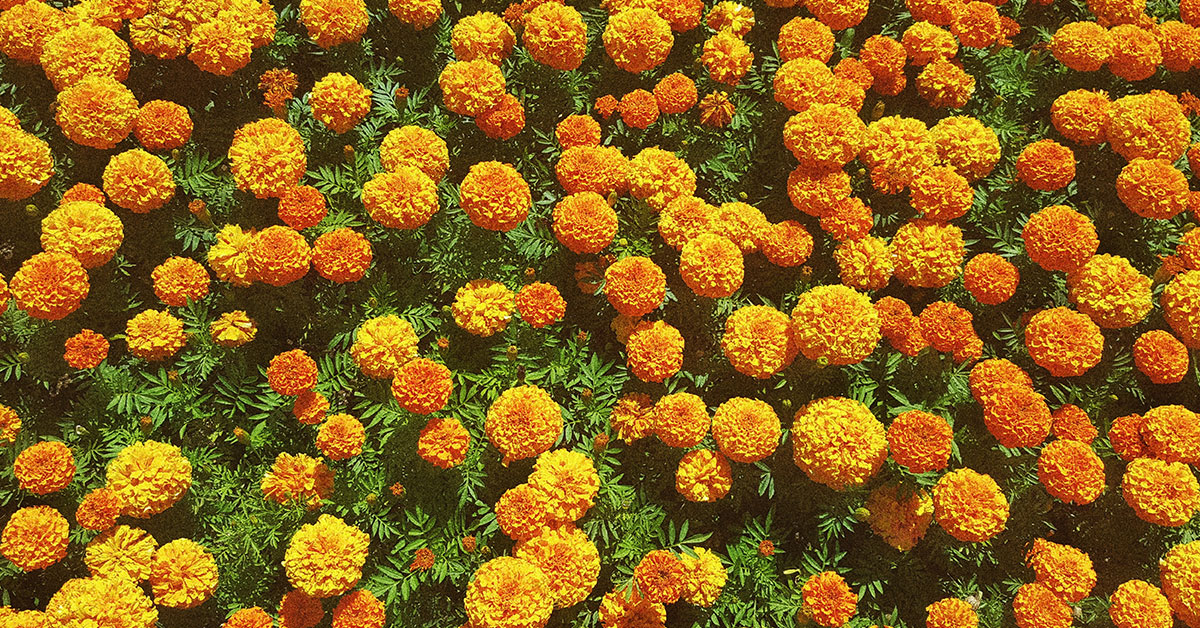

French marigolds (Tagetes patula) are charming annual flowers that have captured the hearts of gardeners around the world. With their vibrant colors, delicate blooms, and versatile nature, the French Marigold brings a touch of beauty and functionality to any garden or landscape. Whether you are an experienced gardener or just starting your green thumb journey, growing French marigolds is a rewarding and enjoyable endeavor.
In this article, we will delve into the wonderful world of French marigolds, exploring their unique characteristics, cultivation tips, and the numerous benefits they offer to your outdoor space. From their pest-repellent properties and easy-care nature to their culinary and decorative uses, you will discover why French marigolds are a beloved choice among gardening enthusiasts.
What is a French Marigold?
The French marigold, also known as Tagetes patula, is a popular annual flower native to Mexico and Central America. It is one of the many species of marigolds and is widely cultivated for its attractive flowers and pest-repellent properties.
French marigolds are relatively small in size, typically reaching a height of 6 to 12 inches (15 to 30 cm) and spreading about 6 to 9 inches (15 to 23 cm) wide. They have fern-like foliage that is often aromatic when crushed. The flowers are daisy-like with double or single rows of petals, and they come in various vibrant colors, including shades of yellow, orange, and red. Some cultivars may have bicolor or multicolored blooms.
French marigolds are known for their ability to repel pests such as nematodes and aphids, making them a popular choice for companion planting in vegetable gardens. They thrive in full sun and well-drained soil, and they are relatively easy to grow from seeds or transplants. French marigolds are commonly used in garden beds, borders, containers, and as edging plants, adding a burst of color and charm to any garden setting.
How to grow French Marigolds
To grow French marigolds (Tagetes patula), you can follow these general guidelines:
- Choose a suitable location: French marigolds prefer full sun, so select a spot in your garden that receives at least 6-8 hours of direct sunlight per day. Ensure the soil is well-draining.
- Prepare the soil: Before planting, loosen the soil and remove any weeds or debris. Add organic matter such as compost or well-rotted manure to improve soil fertility and drainage.
- Start seeds indoors (optional): You can start French marigold seeds indoors about 4-6 weeks before the last frost date in your area. Sow the seeds in seed trays or small pots filled with seed-starting mix. Keep the soil moist and provide sufficient light until the seedlings are ready for transplanting.
- Direct sowing: Alternatively, you can sow the seeds directly into the garden bed once the danger of frost has passed and the soil has warmed up. Space the seeds or seedlings according to the specific variety’s instructions (typically around 6-12 inches apart).
- Watering: Keep the soil evenly moist but not waterlogged. Avoid overhead watering to prevent foliage diseases. Water at the base of the plants to keep the leaves dry.
- Mulching: Apply a layer of organic mulch around the base of the plants to help conserve moisture, suppress weeds, and regulate soil temperature.
- Fertilizing: French marigolds are not heavy feeders, but you can incorporate a balanced, slow-release fertilizer into the soil at planting time. Alternatively, you can use a diluted liquid fertilizer every few weeks during the growing season.
- Deadheading: Regularly remove spent flowers (deadheading) to encourage continuous blooming and prevent the plant from diverting energy into seed production.
- Pest and disease control: French marigolds have natural pest-repellent properties and can help deter certain insects, but they may occasionally be prone to aphids or spider mites. Monitor your plants regularly and take appropriate action if any pests or diseases are detected.
- Enjoy the blooms: French marigolds will typically start flowering within a few weeks of planting, and they will continue to produce blooms throughout the growing season. Admire their vibrant colors and the benefits they bring to your garden.
Remember to check the specific instructions provided with the seed packet or plant label, as different varieties may have slight variations in care requirements.
Harvesting French Marigold seeds
One of the great things about growing French Marigolds is the ease of harvesting and storing their seeds for next year. You pretty much never have to buy seeds again! Harvesting French marigold seeds is relatively simple. Here’s a step-by-step guide:
- Allow flowers to mature: Allow the French marigold flowers to fully mature on the plant. The petals will start to dry out and fade, and the base of the flower (where the seeds develop) will become swollen and begin to turn brown.
- Monitor seed development: Keep a close eye on the seed heads as they develop. The seed heads will form a cluster of elongated pods just below the faded flower petals. The pods will gradually turn brown and become dry.
- Check for readiness: To determine if the seeds are ready for harvesting, gently squeeze one of the seed pods. If it feels dry and brittle, it is likely ready for harvesting. If the pod is still plump and green, give it a bit more time to dry on the plant.
- Collect the seeds: Once the seed pods are dry, carefully remove them from the plant. You can cut the seed heads off with scissors or pinch them off with your fingers. Place the seed heads in a paper bag or a clean, dry container to catch any seeds that may fall during the process.
- Extract the seeds: To extract the seeds, gently rub the dry seed heads between your fingers or use your fingers to crush the pods. This will release the small, dark, oblong seeds from the pods. Be careful not to crush the seeds themselves.
- Remove debris: After extracting the seeds, carefully remove any debris or plant material from the seeds. You can do this by gently blowing on the seeds or using a fine-mesh sieve or strainer.
- Store the seeds: Store the clean, dry seeds in a cool, dry place in a labeled envelope or airtight container. Make sure the seeds are fully dry before storage to prevent mold or moisture damage.
French marigold seeds can remain viable for several years if stored properly. Be sure to label the envelope or container with the variety and the date of harvest for future reference.
Remember, if you’re saving seeds from hybrid French marigold varieties, the offspring may not resemble the parent plant. Hybrid seeds often produce unpredictable results, so it’s best to save seeds from open-pollinated or heirloom varieties if you want to maintain the same characteristics in the next generation.
Common problems
While marigolds are generally easy to grow and relatively trouble-free, they can encounter a few common problems. Here are some issues that gardeners may face when growing marigolds:
Powdery Mildew: Powdery mildew is a fungal disease that appears as a white, powdery coating on the leaves. It can hinder plant growth and affect the overall appearance of marigolds. Providing good air circulation, avoiding overhead watering, and applying fungicides when necessary can help prevent and manage powdery mildew.
Aphids: Aphids are small, sap-sucking insects that can infest marigold plants. They can distort new growth, cause leaf curling, and leave behind sticky residue (honeydew). Regularly inspect the plants and use insecticidal soap or a strong jet of water to remove aphids. Beneficial insects like ladybugs can also help control aphid populations.
Nematodes: Nematodes are microscopic roundworms that can attack marigold roots, causing stunted growth, wilting, and yellowing of the foliage. Practice crop rotation and avoid planting marigolds in areas known to have nematode problems. Additionally, using marigolds as a cover crop or companion planting can help deter nematodes.
Root Rot: Excessive moisture or poorly drained soil can lead to root rot in marigolds. This fungal disease causes roots to decay, resulting in wilting, yellowing leaves, and plant decline. Ensure well-drained soil and avoid overwatering to prevent root rot. Planting marigolds in raised beds or containers with well-draining soil can also help.
Slugs and Snails: Slugs and snails are common garden pests that can feed on marigold leaves, causing irregular holes and damage. Use physical barriers, such as copper tape or diatomaceous earth, around marigolds to deter these pests. Handpicking and using organic slug and snail control methods can also be effective.
Deer and Rabbits: Marigolds are generally deer and rabbit resistant due to their strong scent and bitter taste. However, in times of extreme hunger or when natural food sources are scarce, these animals may still feed on marigold plants. Installing physical barriers or using repellents can help protect marigolds from deer and rabbits.
By providing proper cultural care, maintaining good garden hygiene, and promptly addressing any pest or disease issues, you can help ensure healthy and vibrant marigold plants in your garden.
Uses for French Marigolds
French marigolds (Tagetes patula) have various uses beyond their decorative value. Here are some common uses for French marigolds:
- Garden Borders and Bedding: French marigolds are popular for garden borders, edging, and mass planting in flower beds. Their compact size, vibrant colors, and continuous blooms add a striking visual appeal to gardens and landscapes.
- Container Planting: Due to their compact habit, French marigolds are well-suited for container gardening. They can be grown in pots, hanging baskets, or window boxes, providing a burst of color on patios, balconies, or windowsills.
- Pest Repellent: French marigolds emit a strong fragrance that repels certain garden pests like aphids, whiteflies, and nematodes. Planting them near susceptible plants or in vegetable gardens can help deter pests and reduce the need for chemical pesticides.
- Pollinator Attractor: The bright colors and abundant blooms of French marigolds attract pollinators such as bees, butterflies, and hoverflies. By including French marigolds in your garden, you can support the pollinator population and promote a healthy ecosystem.
- Culinary Uses: The petals of some French marigold varieties are edible and can be used to garnish salads, desserts, or savory dishes. They add a pop of color and a subtle spicy or tangy flavor. Ensure you use petals from edible varieties grown without pesticides.
- Traditional and Cultural Uses: French marigolds have cultural significance in various traditions and festivals around the world. They are often used in floral arrangements, garlands, or religious ceremonies to symbolize celebration, protection, or good luck.
- Natural Dye: The petals of French marigolds can be used to create natural dyes for fabrics or crafts. Boiling or steeping the petals in water can yield yellow, orange, or gold shades, providing a natural and eco-friendly alternative to synthetic dyes.
- Herbal Remedies: French marigolds have been used in traditional herbal medicine for their potential anti-inflammatory and antiseptic properties. They are sometimes used topically in the form of creams or ointments to soothe minor skin irritations or cuts.
Remember to verify the specific variety of French marigold you have and ensure it is safe for the intended use. Some varieties may not be suitable for consumption or other specific purposes.