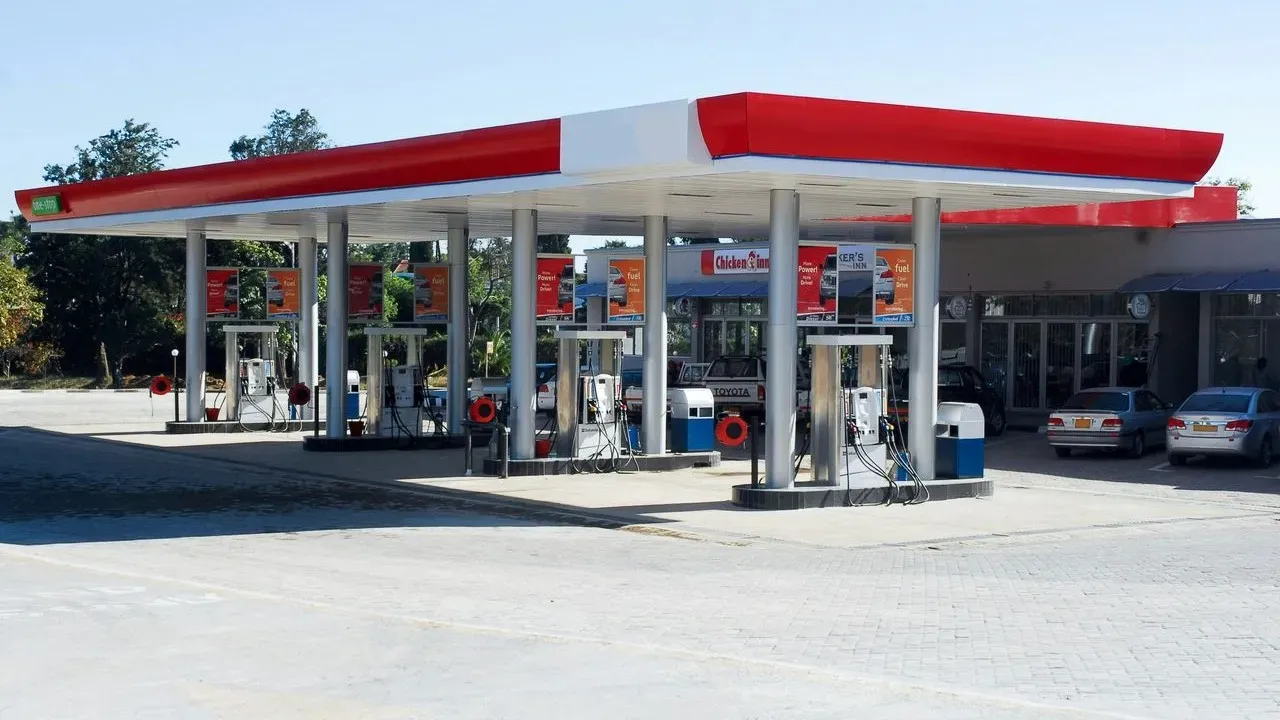

The White House has introduced the Freedom Fuel Network, a new branded chain of gas stations. These outlets are offering gasoline at $3.47 per gallon. The price sits more than 30 cents below the current national average.
Price Advantage for Consumers
Drivers who fill up at Freedom Fuel locations stand to save noticeably on each tank. At current volumes, that difference adds up quickly for commuters and fleet operators alike. The lower rate reflects a deliberate effort to provide relief at the pump without altering broader market dynamics.
National averages fluctuate with crude prices, refinery output, and seasonal demand. Freedom Fuel stations appear positioned to maintain the discount even as those factors shift. Early reports indicate the network plans multiple sites, though exact locations remain under development.
How the Network Operates
The Freedom Fuel Network functions as a government-linked retail operation. It sources fuel through standard commercial channels yet passes savings directly to customers. This model differs from typical subsidies or tax credits that reach drivers indirectly.
Station operators follow conventional safety and quality standards. Fuel meets all federal specifications for octane and additives. The branding emphasizes energy independence while keeping the focus on competitive pricing.
Broader Market Implications
Traditional retailers may face pressure to match or explain their own margins. Analysts expect some competitive response in regions where Freedom Fuel opens. The move also highlights ongoing public interest in direct government involvement in everyday consumer goods.
Longer term, the network could expand if the initial rollout proves popular. Policymakers will likely monitor sales data and consumer feedback before deciding on further growth. For now, the stations represent a concrete option for motorists seeking lower costs at the pump.
AI Disclaimer: This article was created with the assistance of AI tools and reviewed by a human editor.