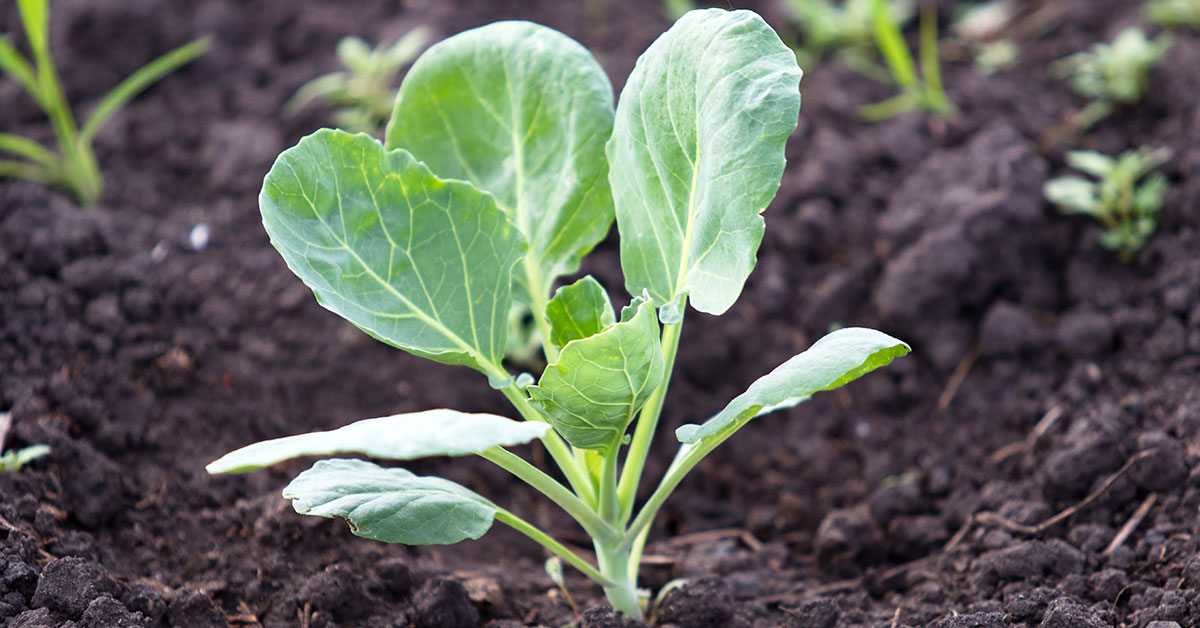

The Franklin Brussels Sprout is Known for its exceptional taste and compact growth habit. This variety of Brussels sprout is a favorite among experienced gardeners and novice growers alike.
With its rich history, nutritional benefits, and tips for successful cultivation, this article will guide you through everything you need to know about growing Franklin Brussels Sprouts in your own backyard. So grab your gardening tools and get ready to embark on a delicious and rewarding journey of cultivating this delightful vegetable.
What is a Franklin Brussels Sprout?
The Franklin Brussels Sprout is a specific cultivar of Brussels sprouts, a member of the Brassica family. It is named after the town of Franklin, Massachusetts, where it was initially developed. This particular variety is known for its exceptional taste and compact growth habit. The Franklin Brussels Sprout produces small, round, green buds that resemble miniature cabbages, which grow in clusters along the stem of the plant. These buds are the edible part of the plant and are harvested when they reach their desired size, typically around 1 to 1.5 inches in diameter.
One distinguishing feature of the Franklin Brussels Sprout is its ability to grow in a more condensed manner compared to other varieties. The plant itself is relatively short and compact, making it an excellent choice for gardeners with limited space. Additionally, this cultivar tends to have a shorter maturation period, allowing for an earlier harvest. In terms of taste, the Franklin Brussels Sprout is known for its mild, slightly sweet flavor.
The buds have a tender texture when cooked properly, making them a popular choice for roasting, steaming, or sautéing. They can also be used in various recipes, including stir-fries, soups, and salads. Like other Brussels sprout varieties, the Franklin Brussels Sprout requires cool weather to thrive. It is typically grown as a cool-season crop, often planted in late summer or early fall for a winter harvest. Adequate sunlight, well-drained soil, and regular watering are essential for its growth and development.
Overall, the Franklin Brussels Sprout is a favored cultivar among gardeners and vegetable enthusiasts due to its delicious taste, compact growth habit, and versatility in the kitchen.
What does Franklin Brussels Sprout taste like?
Franklin Brussels Sprouts have a delicious and distinct taste that is often described as nutty, slightly sweet, and slightly bitter. They have a mild and earthy flavor that is more delicate compared to other varieties of Brussels sprouts. When cooked, they develop a tender texture with a slight crunch. The taste can be enhanced by roasting, sautéing, or steaming, and they pair well with various herbs, spices, and sauces. Overall, Franklin Brussels Sprouts provide a delightful combination of flavors that make them a popular choice for both vegetable lovers and those who are new to trying Brussels sprouts.
How to start from seed
Starting Franklin Brussels sprouts involves a few key steps. Here’s a breakdown of the process:
- Seed Selection: Choose high-quality Franklin Brussels sprout seeds from a reputable supplier or garden center. Look for fresh seeds with a high germination rate.
- Timing: Franklin Brussels sprouts are a cool-season crop that thrives in temperatures between 60-70°F (15-21°C). Start seeds indoors about 6-8 weeks before the last frost date in your area. Alternatively, you can sow seeds directly in the garden in late summer for a fall harvest.
- Containers and Soil: Use seed trays or small pots with drainage holes. Fill them with a well-draining seed starting mix or a combination of potting soil and perlite. The soil should be moist but not waterlogged.
- Sowing Seeds: Plant 2-3 seeds per container, about ¼ inch (0.6 cm) deep. Gently cover the seeds with soil and lightly pat it down. Water the containers from the bottom to avoid disturbing the seeds.
- Germination: Place the containers in a warm location, ideally between 70-75°F (21-24°C). It usually takes 7-14 days for the seeds to germinate. Keep the soil consistently moist but not soaked.
- Light and Temperature: Once the seedlings emerge, move them to a bright location with direct sunlight or provide them with 14-16 hours of artificial light per day. Maintain a cooler temperature of around 60-70°F (15-21°C) during the day and slightly lower at night.
- Transplanting: When the seedlings have developed their first true leaves and are about 4-6 inches (10-15 cm) tall, they are ready for transplanting. Harden them off by gradually exposing them to outdoor conditions over a week.
- Garden Preparation: Choose a sunny spot in your garden with well-draining soil. Prepare the bed by removing weeds, loosening the soil, and incorporating organic matter like compost.
- Planting Out: Dig holes in the garden bed, spaced about 18-24 inches (45-60 cm) apart. Gently remove the seedlings from their containers, taking care not to disturb the roots, and place them in the holes. Backfill the soil around the seedlings, firming it gently.
- Care and Maintenance: Water the seedlings immediately after planting and keep the soil consistently moist. Mulching around the base of the plants can help retain moisture and suppress weeds. Provide support like stakes or a trellis as the plants grow taller. Monitor for pests and diseases, and take appropriate measures if necessary.
- Harvesting: Franklin Brussels sprouts generally take around 90-100 days to mature. Harvest the sprouts from the bottom of the stalk upwards as they reach a desirable size (usually 1-2 inches or 2.5-5 cm in diameter). Twist them off gently or cut them with a sharp knife.
By following these steps, you can successfully start Franklin Brussels sprouts and enjoy a bountiful harvest of these delicious vegetables.
Planting and growing Franklin Brussels Sprout
To plant and grow Franklin Brussels Sprouts, follow these steps:
- Choose the right time: Brussels sprouts are a cool-weather crop, so it’s best to plant them in late summer or early fall, about 10-12 weeks before the first expected frost. This timing allows the sprouts to mature during the cooler months.
- Select a suitable location: Brussels sprouts prefer full sun, but they can tolerate partial shade. Choose a well-draining area with fertile soil, rich in organic matter. Ensure the spot is protected from strong winds.
- Prepare the soil: Before planting, prepare the soil by removing any weeds and adding compost or well-rotted manure to improve its nutrient content and structure. Dig the soil to a depth of about 10-12 inches.
- Start seeds indoors (optional): If you have a short growing season, consider starting the seeds indoors about 6-8 weeks before the recommended planting time. Use seed trays or small pots filled with seed-starting mix, and keep them in a warm area until they germinate.
- Transplant seedlings or sow seeds: Once the weather and soil have warmed up and there is no risk of frost, transplant the indoor-grown seedlings or directly sow the seeds in the prepared garden bed. Space the plants about 18-24 inches apart, in rows spaced 24-36 inches apart.
- Watering: Keep the soil consistently moist but not waterlogged. Brussels sprouts require about 1-1.5 inches of water per week. Deep watering is preferable, allowing the moisture to reach the roots.
- Fertilization: Apply a balanced organic fertilizer or compost around the plants about a month after transplanting. Repeat the application every 4-6 weeks to provide a steady supply of nutrients.
- Mulching: Apply a layer of organic mulch, such as straw or wood chips, around the base of the plants. Mulch helps retain moisture, suppresses weed growth, and regulates soil temperature.
- Support the plants: As the sprouts grow, they may become top-heavy. To prevent them from toppling over, provide support by staking or using plant cages.
- Pest and disease control: Monitor the plants regularly for common pests like aphids, cabbage worms, or slugs. Use organic pest control methods or insecticidal soaps if necessary. Preventive measures like crop rotation and proper spacing can help reduce the risk of diseases.
- Harvesting: Franklin Brussels Sprouts typically take around 90-100 days to mature. Harvest the sprouts when they are firm, about 1-2 inches in diameter, and the lower leaves start to yellow. Start picking from the bottom of the plant, working your way up.
By following these steps, you should be able to successfully plant and grow Franklin Brussels Sprouts in your garden. Happy gardening!
When to harvest
The best time to harvest Franklin Brussels Sprouts is when the sprouts are firm and reach a size of about 1 to 1.5 inches in diameter. This usually occurs around 80-90 days after transplanting. It’s important to note that the sprouts should still be tightly closed and have a bright green color. Harvesting should be done from the bottom of the stalk upwards, picking the larger sprouts first and leaving the smaller ones to continue growing. Harvesting can be done all at once or gradually over a few weeks, depending on your preference and the size of the sprouts.