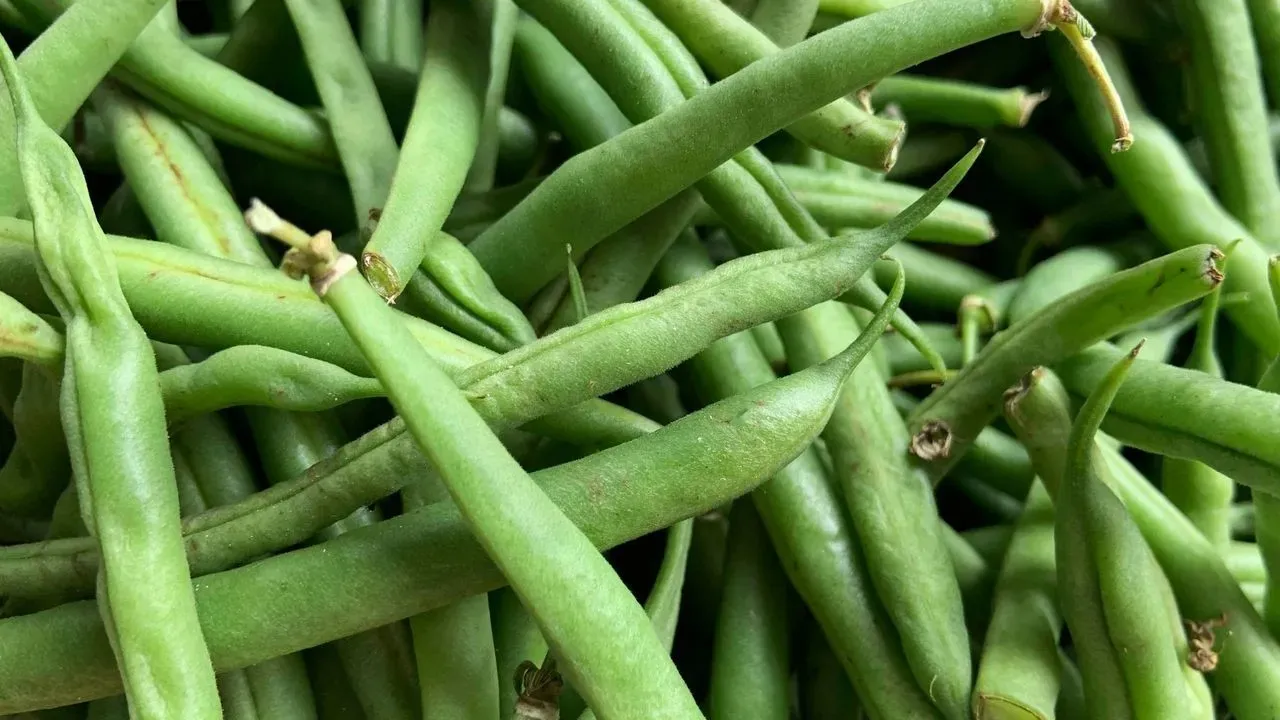

Gardeners often face a sudden surge in green bean production during peak season, turning a manageable crop into an overwhelming surplus that risks going to waste. Pressure canning, freezing, pickling, and drying offer reliable options to capture that abundance for later use. The approach depends on available equipment, storage space, and how the beans will be prepared in meals. ([1])
The Harvest Pressure Point
Green beans reach peak tenderness quickly, and frequent picking is essential to maintain quality and encourage continued production. Once pole beans ramp up, daily harvests can exceed what a household consumes fresh, creating a narrow window before pods turn tough or fibrous. Refrigeration buys a few days for accumulation, but prompt preservation prevents spoilage and locks in flavor and nutrients.
Stakeholders include home gardeners managing limited time and space, as well as households seeking to reduce grocery reliance through the winter. Choosing methods early avoids last-minute decisions when yields peak.
Canning and Freezing Compared
Pressure canning produces shelf-stable jars suited for quick side dishes, requiring no thawing and delivering the soft texture many prefer with simple seasoning. The process demands a pressure canner due to the low-acid nature of plain beans, yet it frees freezer space for other items. Results store safely for a year or more when processed correctly.
Freezing suits smaller batches and requires less specialized equipment. Blanching first helps retain color and texture for use in soups, casseroles, or stir-fries where the beans cook further with other ingredients. It works well when harvests fall short of a full canner load but still exceed immediate needs.
Pickling and Drying for Variety
Pickling transforms green beans into dilly beans through a vinegar brine with dill and garlic, processed safely in a boiling-water canner. The tangy result serves as a snack, sandwich accompaniment, or addition to appetizer boards rather than a plain vegetable side. Whole pods trimmed to jar size preserve their crisp character better than cut pieces.
Drying yields lightweight, compact pieces ideal for soups and stews where they rehydrate during cooking. Blanching precedes dehydration to improve quality, and finished beans store in airtight containers without occupying refrigerator or freezer space. This method appeals when pantry room exceeds cold storage capacity.
Key considerations by method:
- Pressure canning: long shelf life, side-dish ready, needs pressure equipment.
- Freezing: quick for small amounts, best in cooked recipes, requires freezer space.
- Pickling: tangy flavor profile, water-bath safe, good for snacks.
- Drying: compact storage, soup-friendly, minimal equipment beyond a dehydrator.
Gardeners benefit from mixing approaches rather than committing to one. A combination provides options across different recipes and storage constraints while making full use of the season’s output.
AI Disclaimer: This article was created with the assistance of AI tools and reviewed by a human editor.