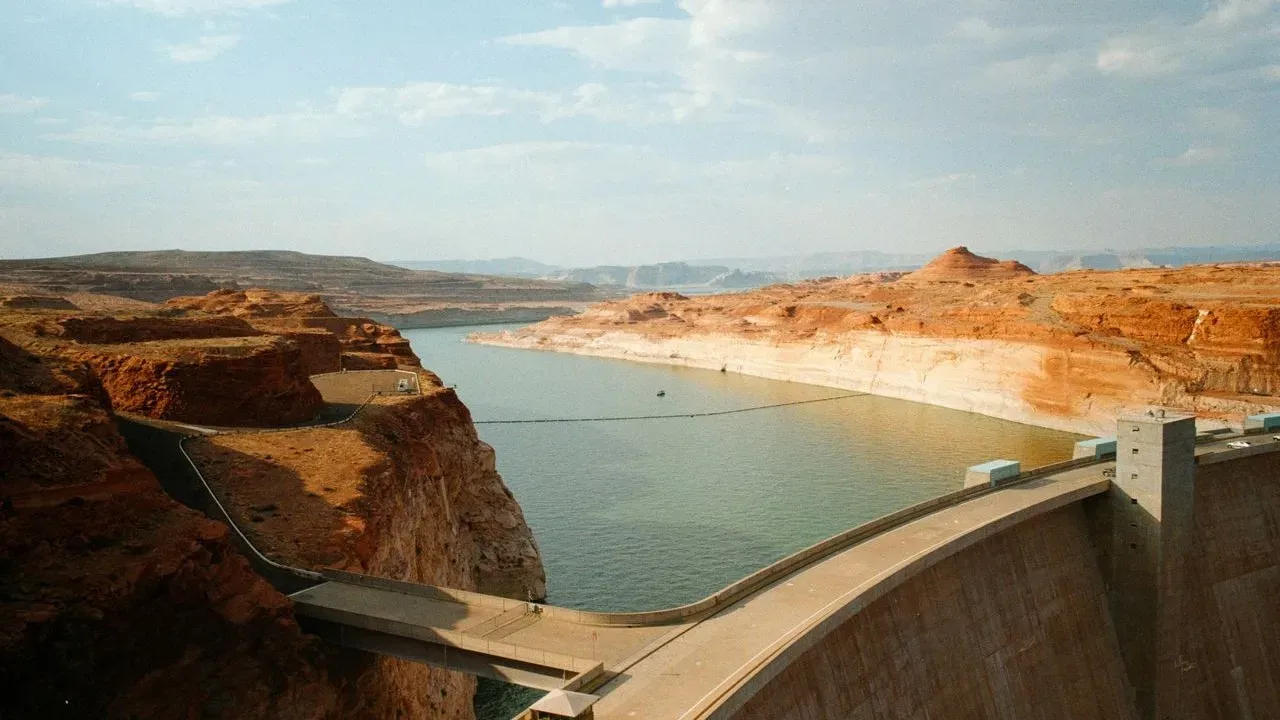

Across the American West, gardens and landscapes have long depended on reliable spring snowmelt and steady summer streamflows to keep plants thriving through dry seasons. A new study now shows that emissions from the world’s largest fossil fuel and cement producers have driven roughly half of the climate-related reductions in those water sources over the past decade. The findings translate into tighter supplies, higher irrigation demands, and more frequent restrictions for homeowners and growers who rely on Western rivers and reservoirs. ([1])
Quantifying the Water Shortfall
Researchers from the Union of Concerned Scientists and the University of California, Merced, examined the period from 2014 to 2024 and determined that climate change reduced April snowpack by about 36 percent and warm-season streamflow by roughly 13 percent across the region. Approximately half of those declines trace directly to emissions from 122 major fossil fuel and cement companies, known as the Carbon Majors. Since 1950, the cumulative water loss tied to those emissions equals the full capacity of Lake Mead, the nation’s largest reservoir.
The study also found that higher temperatures from the same emissions increased irrigation demand by 2.4 percent, adding water needs equivalent to more than one and a half times the annual use of Los Angeles. Streamflow timing has shifted as well, with peak flows arriving up to six days earlier on average and as much as 30 days earlier in some mountain basins. These changes create mismatches between when water is available and when gardens and crops need it most.
Direct Effects on Home Gardens and Landscaping
For gardeners in states that draw from the Colorado River and other Western waterways, the reduced snowpack and earlier melt mean less reliable summer moisture. Many municipalities already impose seasonal watering limits during drought years, and the study suggests those restrictions could become more common or more stringent as baseline supplies continue to shrink. Plants that once received adequate natural recharge may now require supplemental irrigation earlier in the season and in greater volumes.
In California’s Central Valley, a key agricultural analog for home landscapes, climate-driven groundwater losses have already forced difficult choices about which plantings to maintain. Homeowners face similar trade-offs: replacing thirsty lawns or ornamentals with drought-tolerant species, installing more efficient drip systems, or accepting higher water bills as utilities pass along the costs of deeper pumping and alternative sourcing. The 2.4 percent rise in irrigation demand alone signals that even modest gardens could see noticeable increases in water use if temperatures keep climbing.
Broader Regional Pressures and Uncertainties
The Colorado River, which supplies roughly 90 percent of Nevada’s drinking water and supports millions of acres of irrigated land, sits at the center of these changes. Lake Mead currently holds only about a quarter of its capacity, and new operating rules require basin states to cut use further in coming years. While the study attributes a measurable share of the shortfall to corporate emissions, it also notes that natural variability, population growth, and historical water allocations all play roles. Policymakers and water managers continue to debate how to allocate remaining supplies fairly among cities, farms, and ecosystems.
Indigenous communities, rural households, and low-income neighborhoods often feel the effects first through declining well levels and rising energy costs for pumping. Gardens in these areas may face not only quantity limits but also quality concerns as lower flows concentrate salts and other minerals. The research stops short of predicting exact future reductions, emphasizing instead that continued emissions will compound the existing stress on water systems.
Practical Steps for Western Gardeners
While the study does not prescribe individual actions, its findings point to several evidence-based adjustments that can help gardens adapt to tighter supplies:
- Choose native or drought-tolerant plants that require less supplemental water once established.
- Install or upgrade to drip irrigation and soil-moisture sensors to reduce waste.
- Collect and store rainwater where local rules allow, or use graywater systems for non-edible plantings.
- Mulch beds heavily to slow evaporation and maintain soil moisture during hotter periods.
- Monitor local water restrictions and utility rate structures, which may change more frequently as supplies fluctuate.
These measures cannot reverse the larger hydrological shifts, yet they can lower a garden’s vulnerability to the documented increases in irrigation demand and timing mismatches.
What matters now: The study provides new evidence that a substantial portion of recent Western water losses stems from emissions traceable to specific companies. For gardeners and homeowners, this underscores the value of long-term planning around water-efficient landscapes while broader policy and legal discussions about accountability continue.
Emily Williams, the study’s lead author, noted that residents of the western United States have already paid for climate-driven droughts and fires through impacts on health, livelihoods, and household expenses. The same pressures now extend to the everyday decisions gardeners make about what to plant and how to water it. As supplies remain under strain, those choices will shape both the resilience of individual landscapes and the collective demand placed on Western rivers for years to come.
AI Disclaimer: This article was created with the assistance of AI tools and reviewed by a human editor.