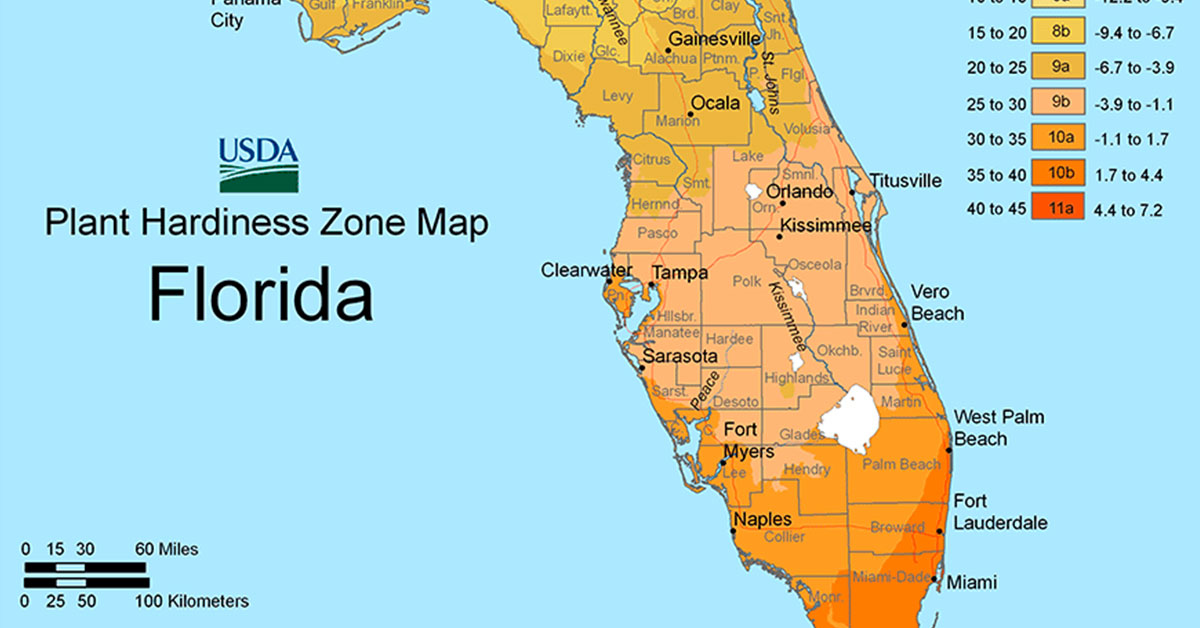

Welcome to the lush and vibrant world of gardening in Fort Lauderdale, Florida! Nestled along the southeastern coast of the Sunshine State, this tropical paradise offers an ideal climate for cultivating a wide variety of plants. One of the key factors to consider when planning your garden in Fort Lauderdale is the USDA hardiness zone.
The city falls within Zone 10a, which means it experiences mild winters and hot, humid summers. This unique climate opens up a world of possibilities for gardeners, allowing for the successful growth of both tropical and subtropical plants.
In this article, we will explore the intricacies of gardening in Fort Lauderdale’s USDA hardiness zone, providing valuable insights and tips to help you create a thriving and beautiful garden in this stunning coastal city.
What is Fort Lauderdale’s USDA hardiness zone?
The USDA hardiness zone is a system developed by the United States Department of Agriculture (USDA) to categorize regions based on their average annual minimum temperatures. This system helps gardeners and plant enthusiasts determine which plants are most likely to thrive in a specific area.
Fort Lauderdale, located in southern Florida, falls within USDA hardiness zone 10b. This means that the average annual minimum temperature in Fort Lauderdale ranges from 35 to 40 degrees Fahrenheit (1.7 to 4.4 degrees Celsius). Zone 10b is considered a warm tropical climate, which allows for a wide variety of plants to flourish.
The mild winters and long growing seasons in Fort Lauderdale create favorable conditions for many plants that cannot survive in colder regions. With an average of only a few nights per year below 40 degrees Fahrenheit, frost is rare in this zone. This allows for year-round gardening and the cultivation of both tropical and subtropical plants.
In Fort Lauderdale’s zone 10b, gardeners can grow a diverse range of plants, including palm trees, citrus trees, tropical flowers, and various types of vegetables and herbs. Some popular choices for this zone include hibiscus, bougainvillea, plumeria, banana trees, mango trees, and avocados. It is important to note that while Fort Lauderdale’s hardiness zone indicates the average annual minimum temperature, other factors such as humidity, rainfall, and soil conditions also play a significant role in plant growth and survival.
Therefore, it is essential to consider these factors when selecting plants for your garden in Fort Lauderdale. Additionally, microclimates can exist within a larger hardiness zone. Factors such as proximity to the coast, elevation, and the presence of buildings or shade can create variations in temperature and other environmental conditions. Therefore, it is always a good idea to observe and monitor your specific garden’s conditions to ensure the best possible plant care and success.
Overall, Fort Lauderdale’s USDA hardiness zone 10b provides gardeners with a favorable climate for a wide range of tropical and subtropical plants, allowing for year-round gardening and the opportunity to create a lush and vibrant garden.
When can you plant your garden in Fort Lauderdale?
In Fort Lauderdale, the ideal planting times for various plants can be determined by considering its USDA hardiness zone, which is Zone 10a. This zone is characterized by its warm and tropical climate, with mild winters and hot summers. Here are some guidelines for planting in Fort Lauderdale:
- Vegetables: In Zone 10a, you can enjoy year-round vegetable gardening. However, it’s important to note that some vegetables prefer cooler temperatures. For example, leafy greens like lettuce and spinach can be planted from September to April, while warm-season crops like tomatoes, peppers, and beans can be planted from February to November.
- Fruits: Fort Lauderdale’s climate is ideal for growing a wide range of fruits. Citrus trees, such as oranges, lemons, and limes, can be planted in early spring or fall. Tropical fruits like mangoes, avocados, and bananas can be planted in late spring or early summer.
- Herbs: Most herbs thrive in Fort Lauderdale’s warm climate. Popular herbs like basil, mint, rosemary, and thyme can be planted year-round. However, it’s best to avoid planting during the hottest months of July and August.
- Flowers: Fort Lauderdale’s warm weather allows for a vibrant display of flowers throughout the year. Annual flowers like marigolds, petunias, and zinnias can be planted in fall, winter, and early spring. Perennial flowers, such as hibiscus, bougainvillea, and plumeria, can be planted in early spring or fall.
- Trees and Shrubs: Trees and shrubs can be planted in Fort Lauderdale during the cooler months of fall and winter. This allows them to establish their root systems before the hot summer arrives. However, with proper care and irrigation, planting can be done throughout the year.
Remember to consider the specific requirements of each plant, such as sunlight, soil type, and water needs. It’s also advisable to consult with local nurseries or gardening experts for more specific planting recommendations based on your desired plants and their individual needs.
What grows well in Fort Lauderdale?
Fort Lauderdale falls within USDA hardiness zone 10b, which is characterized by mild winters and hot, humid summers. This climate is ideal for a wide variety of plants, including tropical and subtropical species. Here is a comprehensive list of plants that generally thrive in Fort Lauderdale:
- Bougainvillea (Bougainvillea spp.): Vibrant, flowering vines that are drought-tolerant and love the heat.
- Hibiscus (Hibiscus spp.): Large, showy flowers in a range of colors, perfect for adding a tropical touch to your garden.
- Croton (Codiaeum variegatum): Colorful foliage plants with a variety of leaf shapes and vibrant hues.
- Bird of Paradise (Strelitzia reginae): Striking, bird-like flowers and large, tropical leaves make this plant a standout.
- Plumeria (Plumeria spp.): Fragrant, tropical flowers that come in various colors and are often used in Hawaiian leis.
- Bromeliads (Bromeliaceae family): Diverse group of plants with colorful foliage and unique flower structures.
- Agapanthus (Agapanthus spp.): Clusters of blue or white flowers atop tall stalks, adding elegance to any garden.
- Adenium (Adenium obesum): Also known as Desert Rose, this succulent produces stunning, trumpet-shaped flowers.
- Ixora (Ixora spp.): Compact shrubs with clusters of vibrant, star-shaped flowers in red, orange, pink, or yellow.
- Areca Palm (Dypsis lutescens): A popular palm tree with feathery, arching fronds that add a tropical feel to landscapes.
- Foxtail Palm (Wodyetia bifurcata): A striking palm with a unique, bushy appearance and feathery fronds.
- Queen Palm (Syagrus romanzoffiana): Graceful palm with a tall trunk and large, arching fronds.
- Madagascar Palm (Pachypodium lamerei): A succulent tree with a thick trunk and spiky leaves, producing white flowers.
- Ti Plant (Cordyline fruticosa): Colorful foliage plant with a variety of leaf colors, adding interest to any garden.
- Firebush (Hamelia patens): A shrub with tubular, red-orange flowers that attract hummingbirds and butterflies.
- Lantana (Lantana camara): Low-maintenance shrubs with clusters of colorful flowers, attracting pollinators.
- Jatropha (Jatropha spp.): Drought-tolerant shrubs with attractive, star-shaped flowers in shades of red or pink.
- Pentas (Pentas lanceolata): Compact shrubs with clusters of small, star-shaped flowers in various colors.
- Golden Dewdrop (Duranta erecta): Fast-growing shrub with clusters of small, purple or blue flowers and golden berries.
- Silver Buttonwood (Conocarpus erectus): Drought-tolerant tree with silvery-gray foliage, ideal for coastal landscapes.
Remember to consider factors such as sunlight exposure, soil type, and water requirements when selecting plants for your specific garden in Fort Lauderdale.
What won’t grow in Fort Lauderdale?
In Fort Lauderdale, which falls within USDA hardiness zone 10a, there are certain plants that may struggle to thrive due to the region’s climate and environmental conditions. Here are some plants that may not perform well in Fort Lauderdale:
- Cool-season annuals: Plants like pansies, snapdragons, and violas that prefer cooler temperatures may struggle in the warm and humid climate of Fort Lauderdale.
- Temperate zone perennials: Perennials that require a period of dormancy or a distinct winter season, such as peonies, tulips, and lilacs, may not thrive in the year-round warm climate of Fort Lauderdale.
- Cold-sensitive tropical plants: While Fort Lauderdale has a tropical climate, some tropical plants are more sensitive to cold temperatures or frost. Examples include certain varieties of hibiscus, bougainvillea, and plumeria.
- High-chill fruit trees: Fruit trees that require a certain number of chill hours during winter, such as apples, cherries, and peaches, may not produce well in Fort Lauderdale due to the lack of prolonged cold temperatures.
- Alpine and mountain plants: Plants that are adapted to high-altitude or mountainous regions, such as alpine flowers and certain conifers, may struggle in the low elevation and high humidity of Fort Lauderdale.
It’s important to note that while these plants may not thrive in Fort Lauderdale, there are still numerous plant options that are well-suited to the region’s climate. It’s always recommended to choose plants that are native or adapted to the local conditions for the best chances of success.