
The Fort Laramie Strawberry, with its luscious flavor and vibrant red color, has become a favorite among gardeners and berry enthusiasts alike.
With its origins tracing back to the historic Fort Laramie in Wyoming, this unique variety of strawberry offers a delightful combination of sweetness and tartness that is hard to resist.
We discuss the fascinating history of the Fort Laramie Strawberry and provide valuable insights and tips on how to successfully grow this delectable fruit in your own backyard.
What is a Fort Laramie Strawberry?
The Fort Laramie Strawberry gets its name from the historic Fort Laramie, located in Wyoming, United States. This variety was specifically developed by the United States Department of Agriculture (USDA) as part of its breeding program. It was introduced to the market in the early 1980s and has since gained popularity among strawberry enthusiasts worldwide.
One of the key features that set the Fort Laramie Strawberry apart is its size. These strawberries are typically larger than average, making them visually appealing as well as satisfying to bite into. The fruit has a firm yet juicy texture, offering a delightful balance that is often sought after in strawberries. Additionally, the Fort Laramie Strawberry boasts a rich, sweet flavor with just the right hint of tartness, making it a crowd-pleaser for those with a sweet tooth.
If you’re considering growing your own Fort Laramie Strawberries, you’ll be pleased to know that they are relatively easy to cultivate. This variety is known for its adaptability to various climates, making it suitable for a wide range of regions. Fort Laramie Strawberry plants are hardy and can withstand both cold winters and hot summers, making them a great choice for gardeners.
To cultivate Fort Laramie Strawberries, it is recommended to provide them with well-draining soil and a sunny location. These strawberries can be grown in raised beds, containers, or traditional garden beds. Regular watering and mulching will help maintain optimal moisture levels for the plants. Additionally, applying a balanced fertilizer throughout the growing season can promote healthy growth and enhance fruit production.
What does a Fort Laramie Strawberry taste like?
When it comes to strawberries, Fort Laramie is a variety that stands out for its exceptional flavor. Known for its sweet and juicy taste, this strawberry cultivar is a favorite among fruit enthusiasts and gardeners alike.
The flavor of Fort Laramie strawberries can be described as intensely sweet with a hint of tartness. They have a perfect balance between sugar and acidity, creating a delightful burst of flavors in every bite. The sweetness is often compared to that of candy or honey, making them incredibly satisfying to eat.
One of the defining characteristics of Fort Laramie strawberries is their vibrant aroma. As you approach a basket of these strawberries, you’ll be greeted by a fragrant scent that is both enticing and refreshing. This aroma is a testament to the fruit’s freshness and quality, adding to the overall sensory experience.
The texture of Fort Laramie strawberries is another aspect that contributes to their exceptional taste. They are firm yet juicy, offering a delightful crunch followed by a burst of sweet juice when you take a bite. This combination of textures enhances the overall enjoyment of consuming Fort Laramie strawberries.
Whether you eat them fresh on their own, use them in desserts, or add them to salads, the taste of Fort Laramie strawberries is sure to leave a lasting impression. Their natural sweetness and unique flavor profile make them a versatile ingredient, perfect for both sweet and savory dishes.
If you have the opportunity to taste Fort Laramie strawberries, prepare yourself for a flavor experience like no other. Their exceptional taste, coupled with their vibrant aroma and delightful texture, make them a truly special fruit that will leave you craving more.
How to start from seed
If you’re looking to grow these delectable berries in your garden, starting them from seed is a cost-effective and fulfilling option. These instructions will guide you through the step-by-step process of starting Fort Laramie strawberries from seed.
- Selecting the Right Seeds:
To begin, ensure that you choose high-quality Fort Laramie strawberry seeds. Look for reputable seed suppliers or nurseries that specialize in providing certified strawberry seeds. By selecting healthy seeds, you increase the chances of successful germination and robust plant growth. - Preparing the Planting Medium:
Fort Laramie strawberries thrive in well-draining soil with a pH level between 6 and 7. Prior to sowing the seeds, prepare the planting medium by mixing equal parts of potting soil, compost, and perlite or vermiculite. This combination provides the necessary nutrients and aeration for optimal seedling development. - Sowing the Seeds:
Fill seed trays or small pots with the prepared planting medium. Moisten the soil lightly before sowing the Fort Laramie strawberry seeds. Scatter the seeds evenly on top of the soil, ensuring they are not too close to each other. Lightly press the seeds into the soil, but avoid burying them too deep. - Providing Optimal Growing Conditions:
Place the seed trays or pots in a warm and well-lit area, such as a sunny windowsill or under grow lights. The ideal temperature for germination is around 70°F (21°C). Ensure the soil remains consistently moist, but avoid overwatering, as it can lead to fungal diseases. Using a spray bottle to mist the soil regularly can help maintain the right moisture level. - Germination and Transplanting:
Fort Laramie strawberry seeds usually take about two to three weeks to germinate. Once the seedlings have developed their first true leaves, they are ready for transplanting. Gently separate the seedlings and transplant them into individual pots or a prepared garden bed, spacing them at least 12 inches apart. - Caring for Young Plants:
As the Fort Laramie strawberry plants grow, provide them with adequate sunlight, ideally six to eight hours per day. Water the plants regularly, ensuring the soil remains consistently moist but not waterlogged. Mulching around the plants can help retain moisture, suppress weed growth, and protect the shallow roots. - Monitoring and Maintenance:
Regularly monitor the plants for any signs of pests or diseases. Remove any weeds that may compete with the strawberry plants for nutrients and water. Applying organic fertilizers, such as compost or well-balanced granular fertilizers, every four to six weeks can help promote healthy growth and fruit production.
How to grow this fruit in your garden
Whether you are an experienced gardener or a beginner, growing Fort Laramie strawberries can be a rewarding and enjoyable experience. This will guide you through the steps to successfully grow Fort Laramie strawberries in your own garden.
- Selecting the Right Location:
Fort Laramie strawberries thrive in areas with full sun exposure, ideally receiving at least 6-8 hours of direct sunlight each day. Choose a location in your garden that offers well-draining soil, as strawberries are susceptible to root rot in overly moist conditions. Additionally, make sure the area is easily accessible for regular maintenance and harvesting. - Preparing the Soil:
Before planting, it is essential to prepare the soil to provide the best growing conditions for your Fort Laramie strawberries. Start by removing any weeds, rocks, or debris from the planting area. Loosen the soil using a garden fork or tiller to a depth of about 8-10 inches. Incorporate organic matter, such as compost or well-rotted manure, to improve soil fertility and drainage. - Planting Fort Laramie Strawberries:
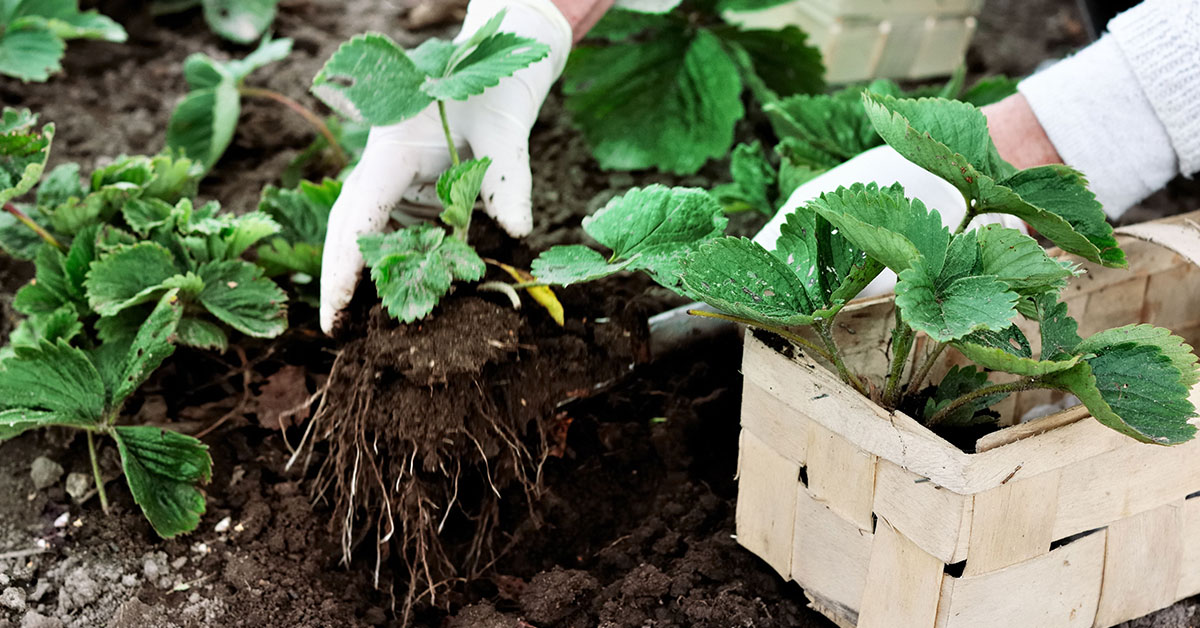
Fort Laramie strawberries can be grown from bare root plants or transplants. If using bare root plants, soak them in water for an hour before planting to rehydrate the roots. Dig holes that are wide and deep enough to accommodate the roots without bending or crowding. Place the plants in the holes, ensuring the crown is level with the soil surface. Space the plants about 12-18 inches apart in rows that are 2-3 feet apart. - Watering and Mulching:
Proper watering is crucial for the success of your Fort Laramie strawberries. After planting, water the plants thoroughly to settle the soil and promote root establishment. Keep the soil consistently moist but not waterlogged throughout the growing season, especially during dry spells. Applying a layer of organic mulch, such as straw or wood chips, around the plants can help retain moisture, suppress weeds, and protect the fruits from direct contact with the soil. - Fertilizing and Maintenance:
Fort Laramie strawberries benefit from regular fertilization to ensure healthy growth and abundant fruit production. Apply a balanced, slow-release fertilizer according to the manufacturer’s instructions at the beginning of the growing season. Additionally, side-dress the plants with compost or well-decomposed manure once or twice during the growing season. Regularly monitor the plants for pests and diseases, and take appropriate measures to control them. - Harvesting Fort Laramie Strawberries:
The moment you’ve been waiting for! Fort Laramie strawberries are typically ready for harvest in late spring or early summer, depending on your location and climate. Look for fully red, plump berries with a sweet aroma. Gently twist or cut the ripe strawberries from the plant, being careful not to damage the stems or nearby fruits. Enjoy them fresh, use them in recipes, or preserve them for later use.
Conclusion:
Growing Fort Laramie strawberries can be a fulfilling endeavor that allows you to enjoy the delightful taste of these delicious berries straight from your garden. By following these steps and providing the necessary care, you can successfully cultivate Fort Laramie strawberries and savor the fruits of your labor.