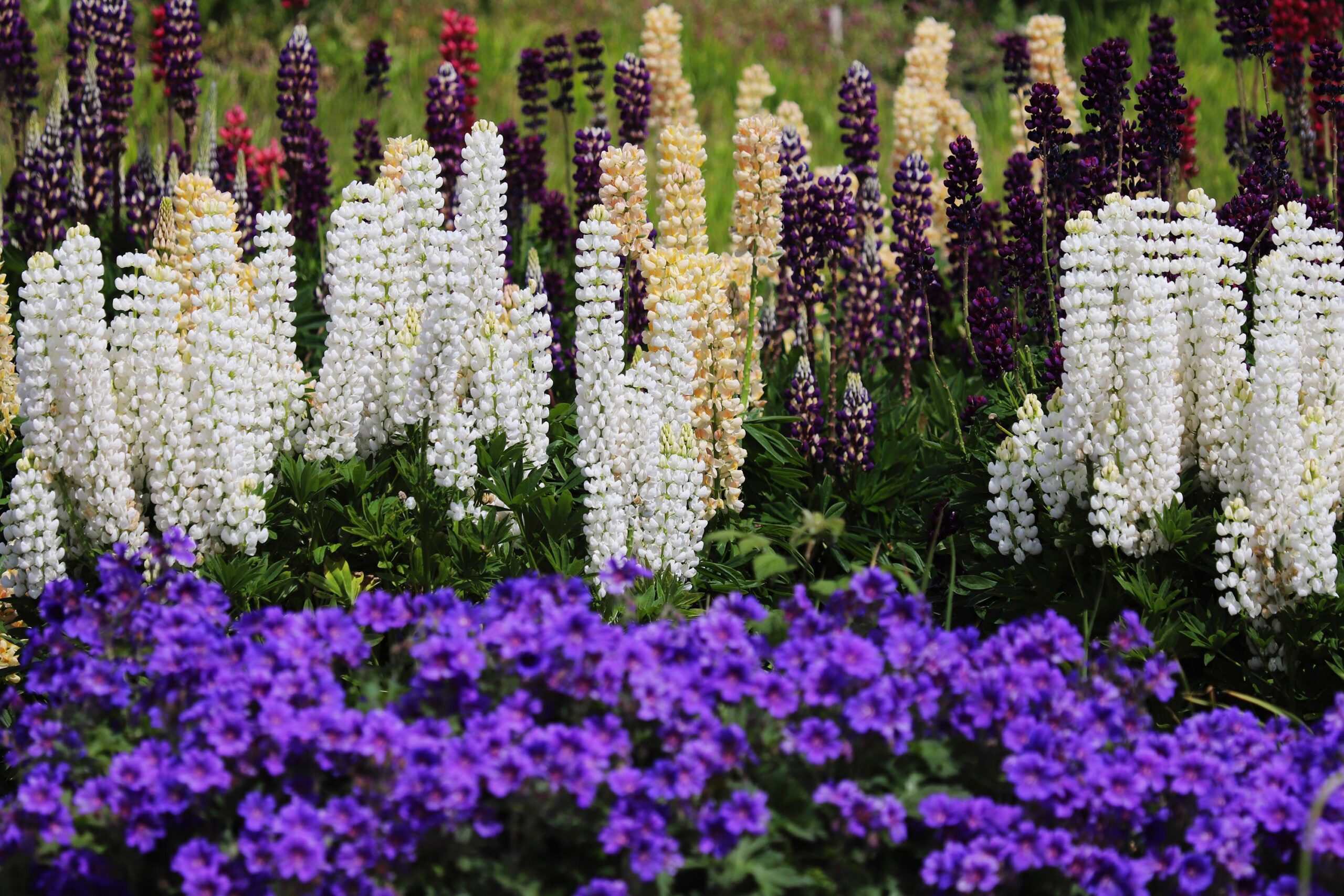

There’s a certain kind of garden that doesn’t exist much anymore. Not the manicured, trend-driven kind you see in design magazines, but the looser, wilder, genuinely lived-in kind – overflowing with color, fragrance, and meaning. Generations of women cultivated these spaces not because they read about them, but because they inherited them, plant by plant, neighbor by neighbor.
The plants in these old gardens were chosen for durability and sentiment and were often obtained by swapping with friends. Pioneer women, who had much work to do, wanted plants that rewarded a maximum amount of flowers with a minimum amount of care. Today, many of those beloved perennials have been quietly sidelined by modern hybrids and trendy annuals. Here’s a closer look at ten that deserve to find their way back into our gardens.
Hollyhock: The Fence-Line Classic
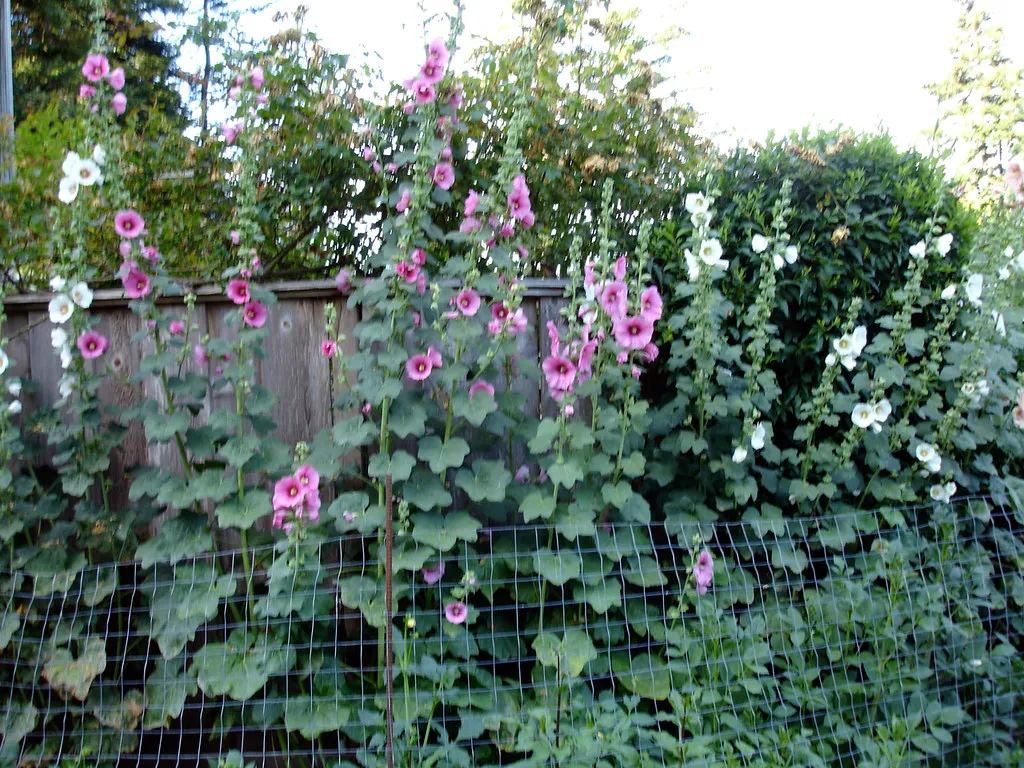
Hollyhocks were a staple in traditional gardens, towering with their lush vertical blooms. These biennials bring dramatic color to any backdrop, growing over six feet tall and flourishing in sunny spots with well-drained soil. They were often planted along fences, adding height and structure.
Their large, cheerful flowers attracted pollinators like bees and butterflies, enriching the garden’s ecosystem. Few plants offer that same sense of vertical drama without needing support structures or endless fussing. Hollyhocks weren’t just decoration; they were part of a living tradition.
Bleeding Heart: A Shade Garden Treasure
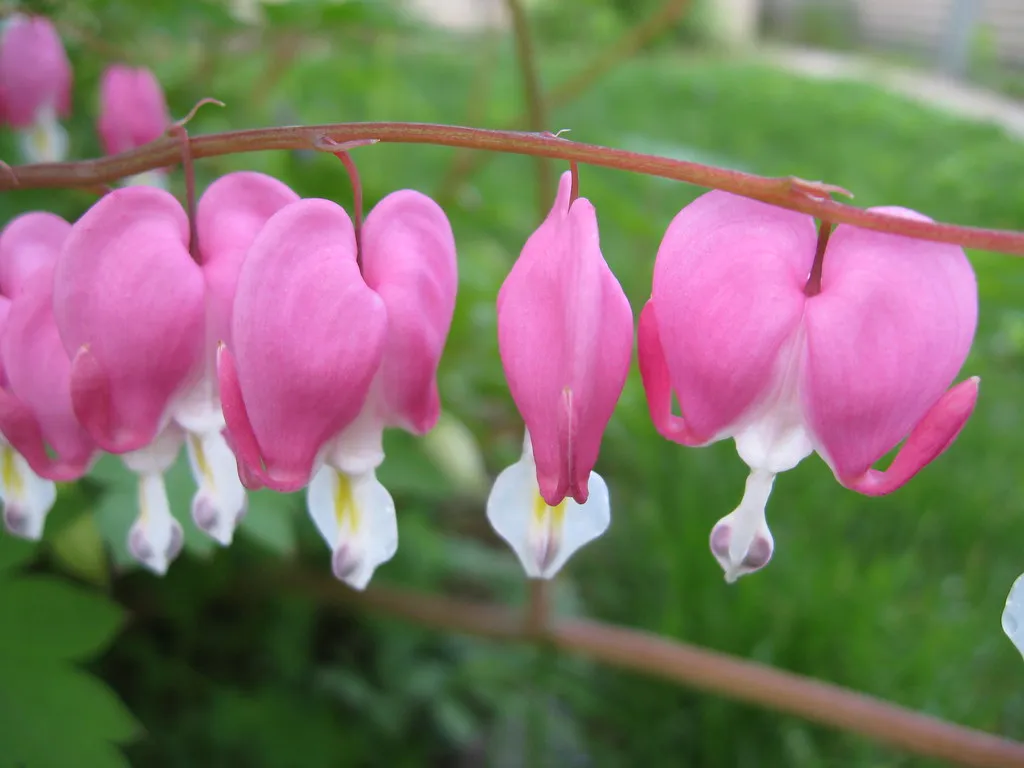
Bleeding Heart, known for its heart-shaped flowers, evokes memories of old cottage gardens. Its elegance lies in the delicate pink and white blooms that dangle from arching stems, offering a romantic touch.
Planting it in shaded spots enhances its growth, making it perfect for woodland settings or secluded garden corners. This perennial thrives in cooler climates, blooming vigorously in spring, and gardeners appreciate its low maintenance, allowing for carefree enjoyment of its beauty. It’s the kind of plant that asks almost nothing in return for what it gives.
Peony: The Long-Lived Garden Heirloom
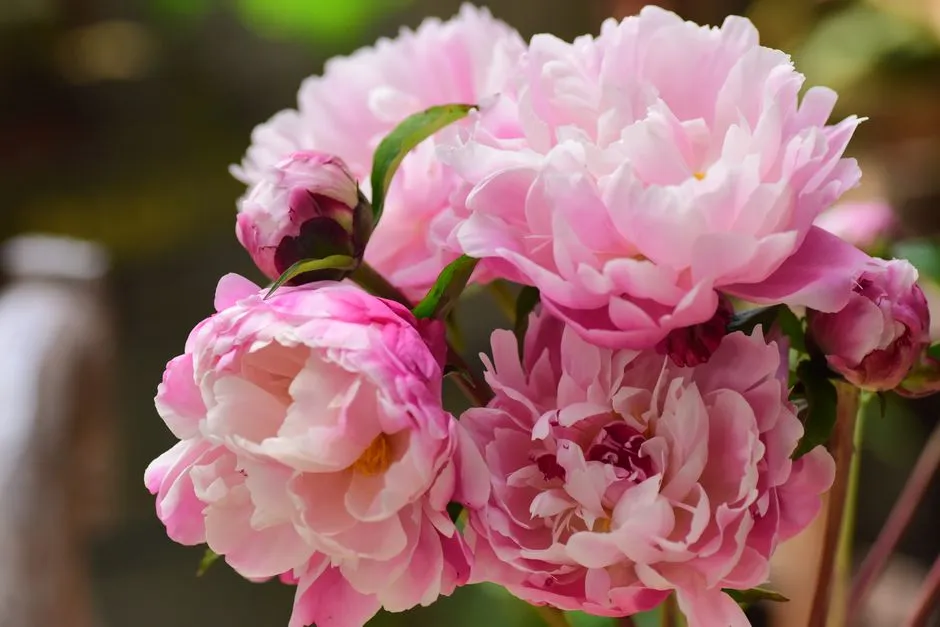
Gardeners slowly turned away from the brightly colored exotic annuals of the Victorian era in favor of flowers that had a long history in gardens, especially perennials such as peonies and iris. The peony was central to that shift, prized for its lush, fragrant blooms and its remarkable staying power.
Roses, peonies, phlox, and hollyhocks were among the perennials commonly planted in old-fashioned American gardens that stretched from the post-Civil War era through the early twentieth century. A well-established peony clump can persist in the same spot for decades, sometimes outliving the people who planted it. That kind of longevity is rare in any garden.
Lungwort: The Speckled Shade Dweller
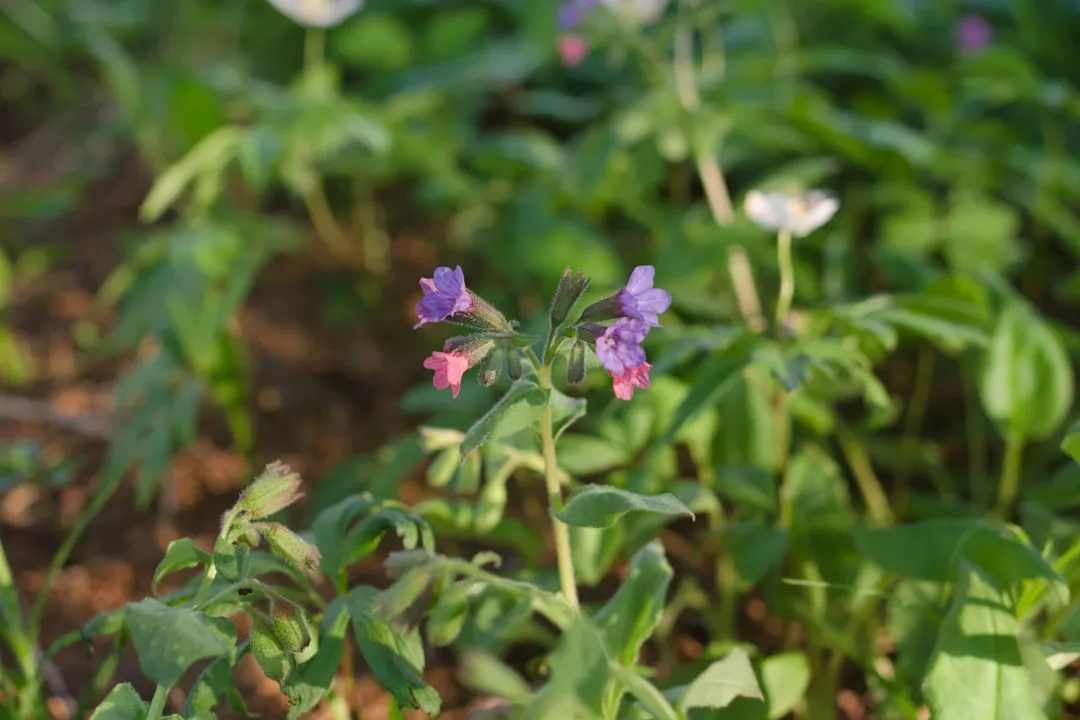
Lungwort’s name might not be the most appealing, yet its beauty is undeniable. This plant thrives in shaded gardens, where its speckled leaves add visual interest. Your great-grandmother likely admired its early spring blooms, which transition from pink to a striking blue.
Lungwort is a marvelous flowering plant that blooms at the first sight of spring. Starting off pink, it gradually transitions to a dark purple flower. It’s a strong plant that’s highly disease resistant, flourishing even in partially shaded areas, and rabbits, deer, and other animals tend to leave it alone. That combination of early color and easy care made it a fixture in older gardens for good reason.
Lily of the Valley: Fragrance with a History
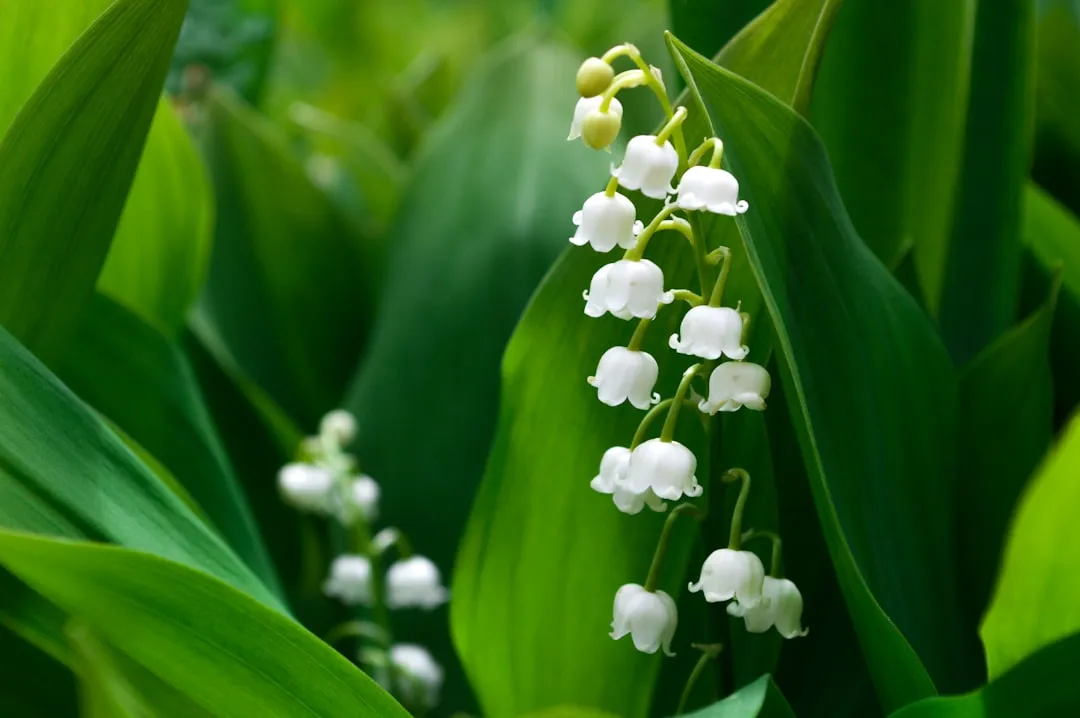
Lily of the valley is a fragrant perennial herb native to Eurasia and eastern North America, cultivated in shaded garden areas in many temperate parts of the world. The plants often grow closely together, forming a dense mat, and are sometimes used as ground cover.
Lily of the valley has nodding white bell-shaped flowers borne in a cluster on one side of a leafless stalk. Historically, it carried deep symbolic weight. Lily of the valley is in fact quite toxic, containing some 40 different cardiac glycosides that act on heart muscle, with much the same effect as foxglove, the source of the heart medicine digitalis. Its beauty always came with a quiet warning.
Foxglove: The Stately Cottage Tower
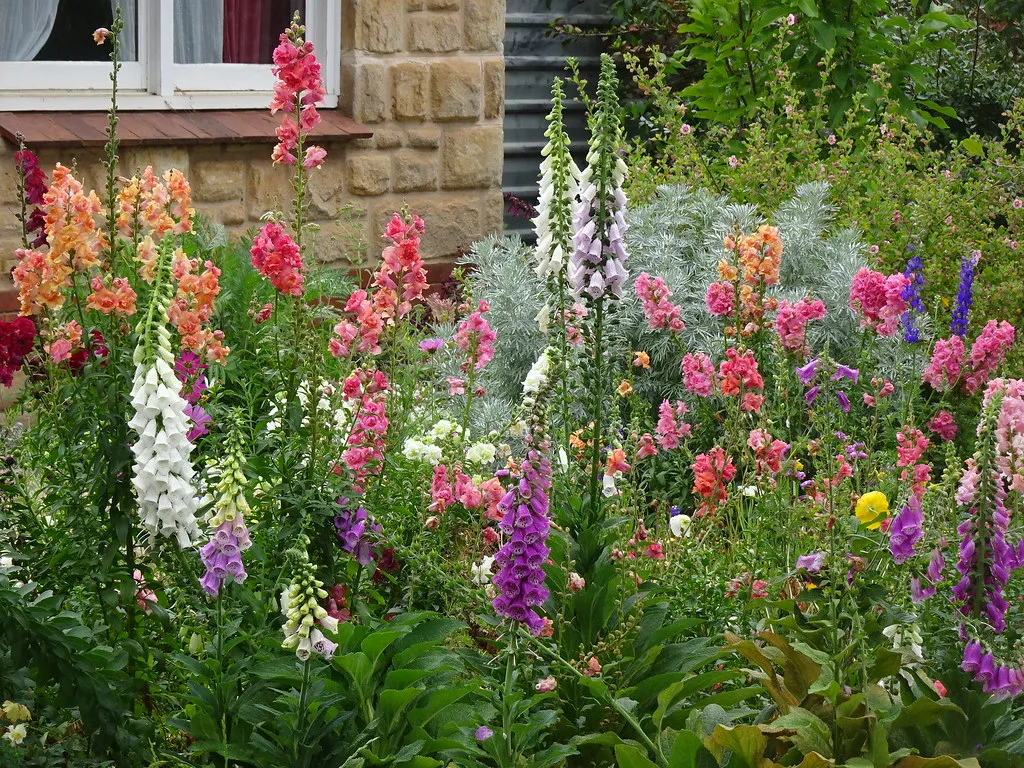
For years, Foxglove has been a quintessential cottage garden flower. It is native to Europe and is a member of the plantain family, adding height and color to the garden. In Britain, the so-called common or purple foxglove is an old wildflower that was grown in cottage gardens in the Middle Ages, tucked in between the vegetables and herbs.
Spikes can contain from 20 to 80 individual flowers, blooming from the bottom up to the top of the spike, in light to dark shades of pink, purple, peach, yellow, and white. Foxglove is biennial – it blooms the second year, then dies – but nevertheless seems like an enduring perennial because it reseeds so readily that every year the dramatic flower spikes will appear in the garden.
Garden Phlox: Summer’s Sweetest Scent
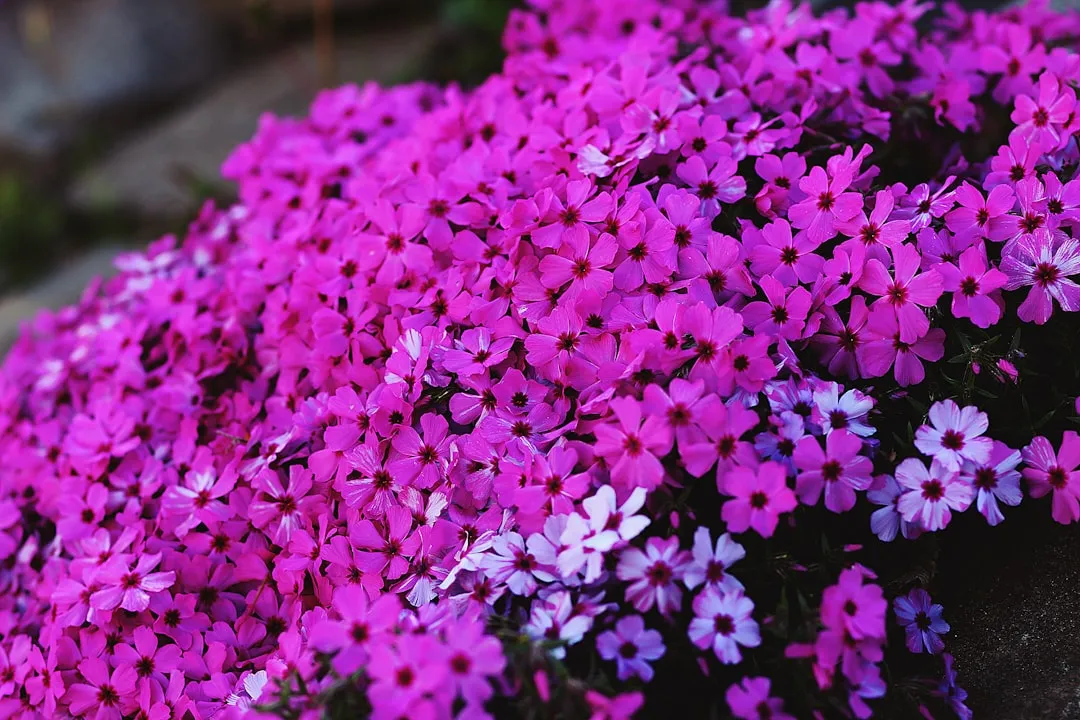
A cottage garden mainstay, phlox owes its enduring popularity to its clouds of billowy blooms and no-fuss nature. The real icing on the cake is the long flowering season, with varieties beginning to bloom in early spring and others blooming until the first hard frost in fall.
Long-lived, often lasting in the garden for decades under hospitable growing conditions, phlox provides color in the heat of the summer when many other perennials begin to fade, and attracts bees, butterflies, and hummingbirds. It’s hard to think of another perennial that delivers that much return on such a modest investment of time and effort.
Primrose: The First Light of Spring
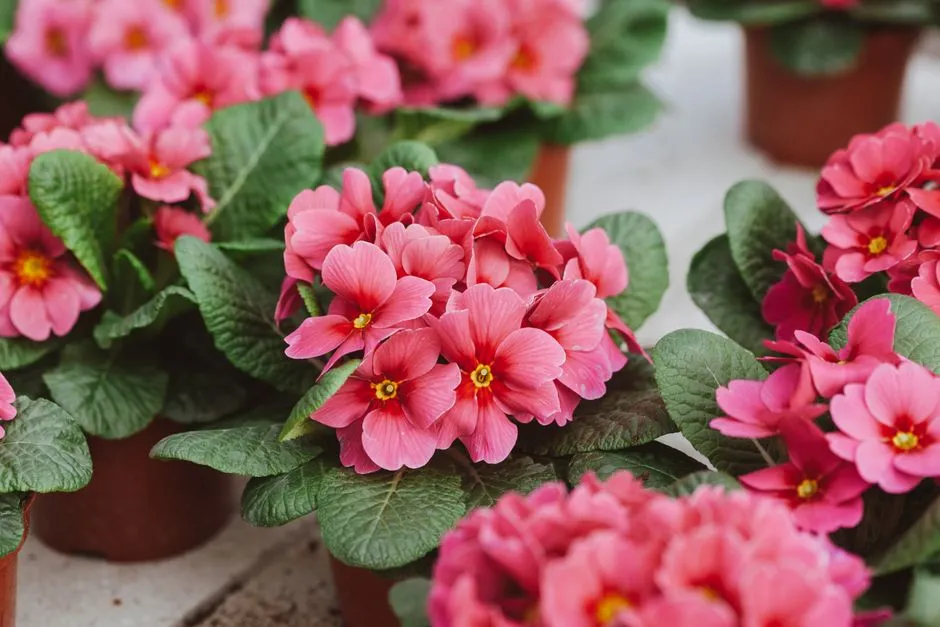
The minute you see the sun cut through the harsh winter clouds, you’ll find colorful primrose flowers popping up from their long slumber. Found mostly in wooded and shaded areas, primrose is another flower that lasts long into the summer, and even fall in certain areas.
When cared for properly, these beauties will not only return each year but will actually multiply and fill your garden with life. Primrose flowers come in a wide range of colors, with many featuring two colors on a single flower, and the plant is hardy and adaptable to most environments. Grandmothers understood that a plant which cheers you up in February is worth more than most things you’d plant in June.
Columbine: Wildness at the Garden’s Edge
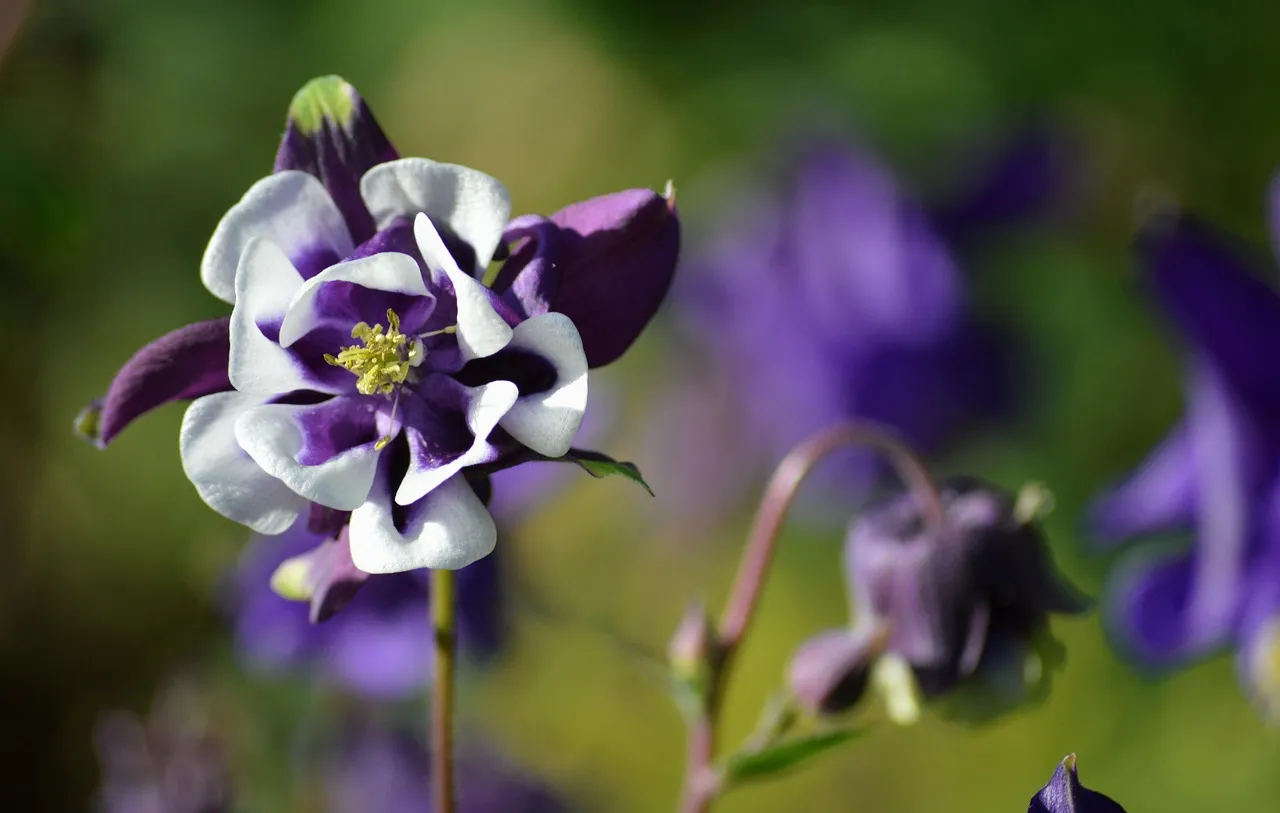
Heirloom flowers like columbine, with their exquisite hues, graceful forms, and hardy constitutions, are often easier to grow, more fragrant, and more diverse than modern varieties. They are open-pollinated, which means bees and other insects pollinate them, and unlike hybrids, many self-sow, creating new gardens full of promise each spring.
These plants weren’t just beautiful – they were hardy, reliable, and deeply meaningful to generations of gardeners. Many classic varieties offer things modern plants often lack: unmatched fragrance, multi-season blooms, pollinator appeal, or even culinary and medicinal uses. Columbine, with its spurred, nodding blooms, captures all of that wild, slightly untamed quality that made old gardens feel truly alive.
Bearded Iris: The Pass-Along Perennial
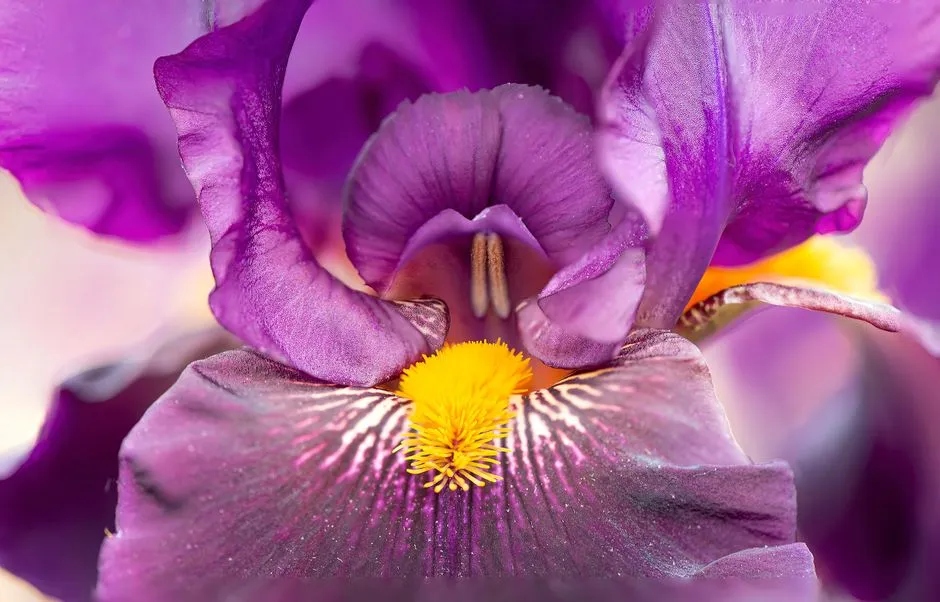
The Smithsonian’s Heirloom Garden, which highlighted plants grown in American gardens before 1950, featured old-fashioned, grandmother’s favorites and pass-along perennials like irises and blackberry lily, as well as spring-flowering bulbs like crocus, daffodils, and tulips.
The common bearded iris was grown in countless grandmother’s yards. This pretty lavender variety is one of the most common ones you’ll see in old cemeteries and places where it grows well year after year. There’s something quietly moving about a plant that keeps blooming long after those who planted it are gone. Iris asks little, gives generously, and spreads slowly – a gift that keeps multiplying through time.
The Takeaway
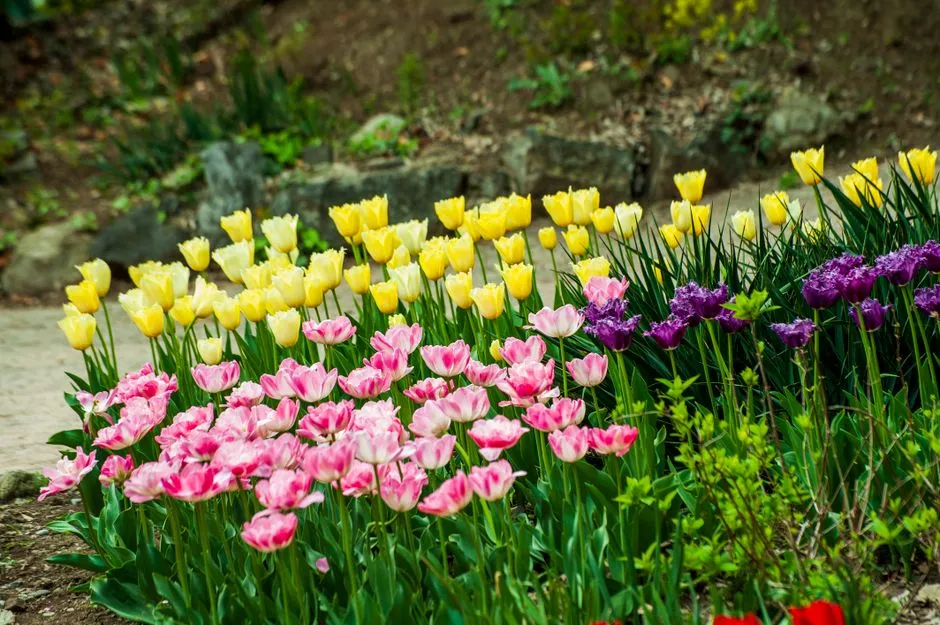
People are increasingly focusing on the meaning of their gardens, not just picking the most beautiful flowers. This may take the form of heirlooms, certainly, but it can also include rare cultivars of species, unique and memorable colors, and sustainable plants. In short, gardening is moving toward intention.
In today’s gardening world, it’s easy to get swept up in trends – ornamental grasses, exotic succulents, and modern hybrids often steal the spotlight. Tucked away in forgotten corners of botanical history, though, are old-fashioned garden plants that once flourished in cottage gardens, family farms, and grandma’s backyard borders.
The plants in this gallery aren’t nostalgic curiosities. They’re proven performers with centuries of track records behind them. Planting even one of them connects you to something longer and quieter than any trend ever could.
AI Disclaimer: This article was created with the assistance of AI tools and reviewed by a human editor.