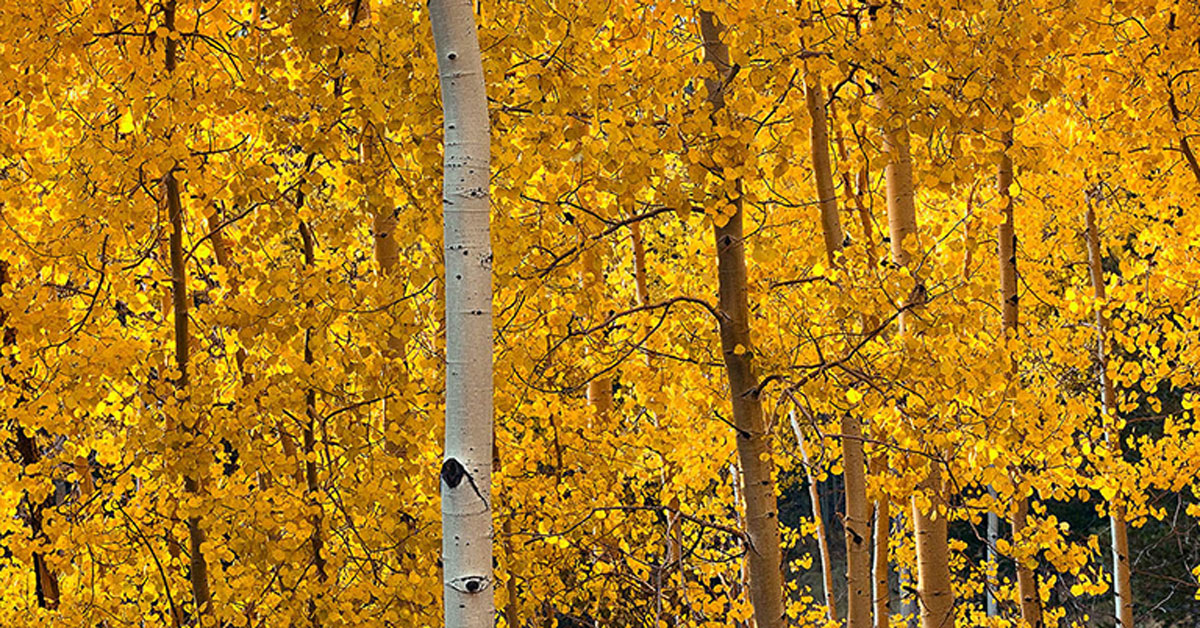

In a fast-moving world dominated by screens, traffic, and concrete, more people are looking for ways to slow down and reconnect with something real. Forest therapy is one such practice, gaining traction for its simple yet powerful effect on the human body and mind. At its core, forest therapy means immersing yourself in a natural setting, especially among trees, to support emotional, physical, and mental well-being. One of the most direct ways to engage in forest therapy is by standing barefoot near a tree and simply being present.
This isn’t about hiking or working up a sweat. It’s about stillness, contact, and awareness. When you take off your shoes and let your feet touch the earth, especially while placing your hands on a tree, something changes. The nervous system calms. Your thoughts settle. You feel more alert, yet more peaceful. This experience goes beyond metaphor. Research shows that the body responds positively to time spent in green spaces. Let’s explore why this works and how you can make it part of your life.
How Nature Affects the Nervous System
The human nervous system is finely tuned to the environment. In natural spaces, especially forested ones, the brain tends to downshift from a hyper-alert state into a calm and restorative mode. This is called activating the parasympathetic nervous system, which is responsible for rest, digestion, and recovery. Forest settings provide the ideal conditions for this to happen, thanks to reduced noise, natural light, and soothing visual patterns like leaves, branches, and filtered sunlight.
Multiple studies have shown that simply spending time in forests can lower cortisol levels, reduce blood pressure, and improve heart rate variability. These are measurable signs that the body is shifting into a healthier, more balanced state. When you take it a step further and remove your shoes, grounding your body directly to the earth, the effect is often amplified. You’re giving your body physical and sensory cues that it’s safe, supported, and connected to a stable environment.
The Benefits of Barefoot Grounding
Walking barefoot on natural surfaces such as soil, grass, or moss is sometimes called “grounding” or “earthing.” This practice is based on the idea that the earth has a subtle electrical charge that can influence the human body. While some scientific reviews remain cautious, preliminary studies suggest grounding may reduce inflammation, help regulate sleep patterns, and improve stress recovery. Even beyond the physiology, the act of going barefoot outdoors has a calming and centering effect.
Being barefoot brings attention to the present moment. You notice textures, temperatures, and terrain in a way you might not when wearing shoes. This helps anchor your awareness and makes it easier to let go of distractions. When practiced in combination with forest therapy, barefoot grounding adds another layer of sensory input that deepens the restorative experience. You don’t have to walk far. Even standing still on a patch of earth while connecting with a tree can be enough.
Why Trees Make Ideal Companions
Trees offer something few other parts of the natural world do: longevity, stillness, and scale. When you stand beside a tree, you’re in the presence of something that has likely weathered more seasons than you have. That alone can offer perspective. Their size and structure provide a sense of protection and stability. Unlike fast-moving streams or fragile flowers, trees invite you to slow down and stay grounded.
In forest therapy practices, people are often encouraged to place their hands on a tree trunk, lean against the bark, or sit quietly under the canopy. This kind of contact deepens the experience and helps establish a feeling of connection. Trees are ideal for this because they are immobile, rooted, and strong. They represent balance between the underground and the sky, between nourishment and expansion. Being near a tree helps you feel more rooted in your own body and experience.
Forest Air and Immune Health
Forest environments offer more than beauty and calm. The air itself is enriched with compounds that are biologically active. Trees release phytoncides, which are antimicrobial compounds that help them defend against pests and disease. When humans breathe in these compounds, especially during a forest walk or period of stillness, research has shown a boost in immune function. Natural killer (NK) cell activity, which plays a role in fighting infections and cancer cells, increases after exposure to forest air.
This immune response doesn’t just last a few hours. Some studies indicate benefits for days after a single visit. While more research is needed to fully understand the mechanisms, the connection between forest time and stronger immune response is consistently supported. Combined with the stress-reducing effects of nature and the grounding experience of going barefoot, forest air contributes to a multi-dimensional wellness effect that cannot be replicated in urban spaces.
Mental Clarity and Emotional Balance
Nature helps us think more clearly. Cognitive fatigue builds up from too much stimulation, multitasking, and screen exposure. Forest therapy counteracts that by offering a slower pace, fewer demands on attention, and a neutral sensory environment. When you stand barefoot by a tree, you’re not trying to accomplish anything. This mental pause gives your brain space to process, reflect, and reset.
Emotionally, many people find forest time to be a balm for anxiety and irritability. The quiet hum of the woods, the texture of bark under your hands, and the feel of soil beneath your feet all contribute to a sense of being held and supported. The lack of artificial noise and deadlines allows emotional tension to release naturally. Over time, these moments add up, building greater emotional resilience and clarity.
Sensory Engagement as a Path to Mindfulness
Mindfulness is often thought of as a mental skill, but it’s deeply rooted in the senses. Forest therapy offers a complete sensory reset. When you’re barefoot, you feel the ground’s texture and temperature. When you place your hands on a tree, you sense the ridges of bark and the slight moisture of moss. The air carries subtle smells of leaves, soil, and wood. Birds, rustling leaves, and distant water provide a gentle soundscape.
This full sensory immersion naturally quiets the mind. Instead of trying to focus, you’re simply drawn into awareness. Standing barefoot in a forest space is one of the most accessible ways to cultivate mindfulness, especially for those who find sitting meditation difficult. You don’t need to think about breathwork or posture. Just let your attention land on what you feel, see, and hear. The present moment becomes enough.
Simple Steps to Start Practicing
Forest therapy doesn’t require wilderness. A backyard tree, quiet park, or wooded trail will work. What matters is how you engage with the space. Choose a time of day when you can be undisturbed, even briefly. Begin by removing your shoes and finding a natural surface to stand on. Approach a tree slowly, noticing how you feel as you draw near. Place your hands gently on the trunk or let your back rest against it.
Stay for five to twenty minutes. You might close your eyes, take a few deep breaths, or simply listen to the surroundings. The goal isn’t to achieve anything, but to allow your body and senses to sync up with the slower pace of the natural world. Over time, this kind of practice becomes easier and more restorative. You may even begin to crave it, especially during stressful weeks.
You might try:
- Visiting the same tree regularly to deepen your sense of connection
- Practicing after work or during lunch to break up busy days
- Going with a friend but agreeing to share silence for part of the visit
Long-Term Benefits and Habit Formation
The effects of forest therapy are cumulative. While a single visit can be refreshing, regular practice brings deeper changes. People who engage with natural spaces frequently report higher overall life satisfaction, improved mood, and better sleep. The combination of light physical activity, sensory stimulation, and stress reduction forms a powerful trio for well-being. If grounding and tree connection are part of that, the benefits expand even further.
Like any wellness habit, forest therapy works best when it becomes part of your routine. It doesn’t have to be rigid. Even once or twice a week is enough to make a difference. Think of it as a personal recharge station. You can return to the same tree, vary your locations, or explore different types of environments. The important thing is consistency and intention. The forest meets you where you are, but you have to show up.
Final Thoughts: Rediscovering Your Place in Nature
There’s something quietly transformative about standing barefoot next to a tree. It strips away layers of urgency and performance. It reminds us that we are not separate from nature, but part of it. In that moment, feet in the soil, hands on the bark, heart steadying with each breath, a sense of connection returns. You’re not escaping the world. You’re stepping back into it more fully.
Forest therapy is not a trend. It’s a return to something humans have always known intuitively: nature heals. And in an age when so much is digital, fast, and loud, that healing matters more than ever. So take a few minutes, find your patch of green, and let your body remember what calm feels like. It starts with your feet on the ground and your hand on a tree.