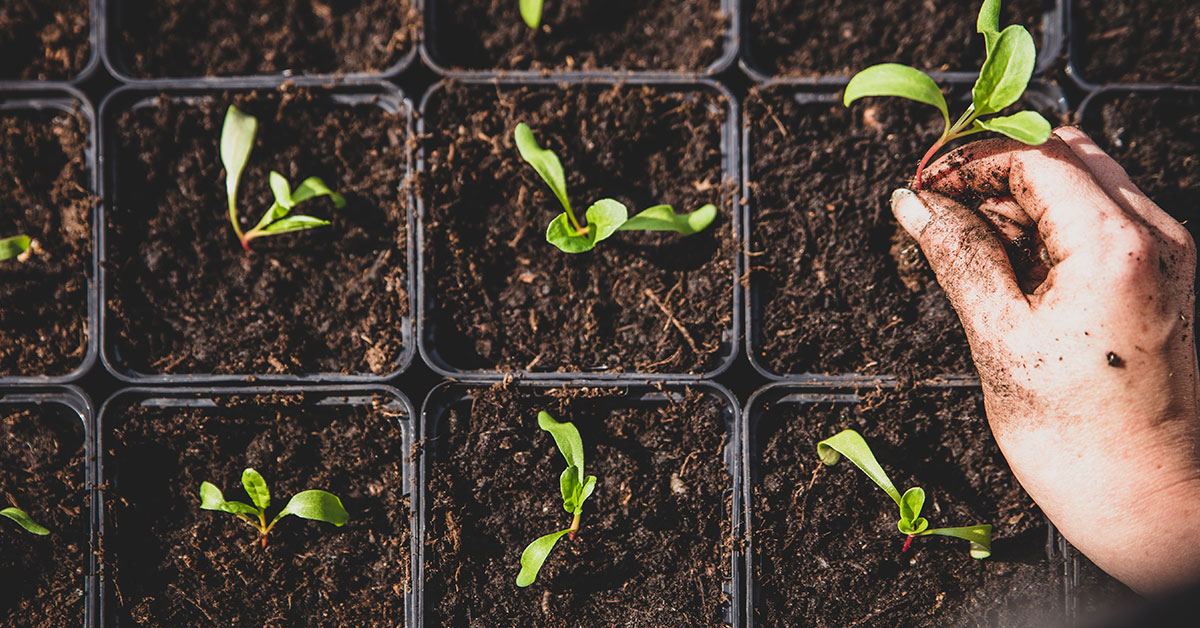

The Fordhook Giant Swiss Chard is known for its large, dark green leaves and thick, crisp stalks. It is a popular choice among gardeners for its versatility and ease of cultivation.
Whether you’re a seasoned gardener or just starting out, this remarkable variety of Swiss chard will surely captivate your senses and provide you with an abundance of delicious and nutritious greens throughout the growing season.
What is a Fordhook Giant Swiss Chard?
Fordhook Giant Swiss Chard is a variety of Swiss chard, also known as Beta vulgaris. It is a popular and widely grown leafy green vegetable in the garden. The Fordhook Giant variety is known for its large, glossy, dark green leaves and thick, crisp stalks. The leaves of Fordhook Giant Swiss Chard are broad and smooth, with a slightly crinkled texture. They can grow up to 12 inches long and 6 inches wide, making them perfect for harvesting as a whole leaf or for cutting into smaller pieces.
The stalks are thick and fleshy, ranging in color from white to light green, and are often used as a substitute for celery in recipes. One of the key characteristics of Fordhook Giant Swiss Chard is its ability to withstand a wide range of growing conditions. It is a hardy vegetable that can tolerate both heat and cold, making it suitable for year-round cultivation in many regions. This variety is also known for its resistance to bolting, which means it is less likely to produce flowers and go to seed prematurely.
Fordhook Giant Swiss Chard is not only a versatile and nutritious vegetable, but it also offers an array of health benefits. It is rich in vitamins A, C, and K, as well as minerals like calcium and iron. The leaves have a slightly earthy and mild flavor, making them an excellent addition to salads, soups, stir-fries, and sautés. When it comes to cultivation, Fordhook Giant Swiss Chard is relatively easy to grow. It prefers a well-drained soil with plenty of organic matter. Planting can be done from seed or transplants, and spacing should be around 12-18 inches apart to allow enough room for the plants to develop fully.
Regular watering and adequate sunlight are essential for healthy growth. Fordhook Giant Swiss Chard is a fantastic addition to any garden, providing an abundance of delicious and nutritious greens throughout the growing season. Whether you are a beginner or an experienced gardener, this variety is sure to thrive and provide you with a bountiful harvest of beautiful, flavorful Swiss chard.
What does Fordhook Giant Swiss Chard taste like?
The taste can be described as mildly earthy, slightly bitter, and slightly sweet. It has a flavor profile similar to spinach but with a slightly milder and sweeter taste. The leaves are tender and have a pleasant, crisp texture when harvested young. As the leaves mature, they can become slightly tougher and develop a stronger flavor. Overall, Fordhook Giant Swiss Chard offers a unique combination of earthiness and sweetness that makes it a versatile and delicious addition to various culinary preparations.
How to start from seed
Starting Fordhook Giant Swiss Chard from seeds is a relatively straightforward process. Here’s a step-by-step guide to help you get started:
- Choose the right time: Swiss chard is a cool-season crop, meaning it thrives in cooler temperatures. Ideally, start the seeds indoors 4-6 weeks before the last expected frost date in your area or directly sow them in the garden after the danger of frost has passed.
- Gather supplies: You’ll need a seed tray or small pots, seed starting mix, Fordhook Giant Swiss Chard seeds, a watering can, and clear plastic wrap or a seed tray cover (optional).
- Prepare the seed trays or pots: Fill the seed trays or pots with a good quality seed starting mix. Moisten the mix slightly with water, ensuring it is evenly damp but not soaking wet.
- Sow the seeds: Make small holes in the soil about ½ inch deep and space them around 2-3 inches apart. Place one or two seeds in each hole and cover them gently with soil.
- Provide adequate moisture: Use a watering can to moisten the soil thoroughly without causing it to become waterlogged. Ensure the soil remains consistently moist throughout the germination process.
- Create a favorable environment: Place the seed trays or pots in a warm location with a temperature between 65-75°F (18-24°C). You can cover the trays with clear plastic wrap or use a seed tray cover to create a greenhouse-like environment that helps retain moisture and warmth.
- Germination: Fordhook Giant Swiss Chard seeds usually germinate within 7-14 days. Keep an eye on the trays and mist the soil if it starts to dry out. Once the seedlings emerge, remove the plastic cover or wrap.
- Provide adequate light: Place the seedlings in a bright location, preferably near a south-facing window or under grow lights. Swiss chard requires at least 6 hours of direct sunlight daily to grow healthy and strong.
- Transplanting: When the seedlings have grown a few inches tall and have developed a couple of true leaves, they are ready to be transplanted into larger containers or directly into the garden. Space the plants around 12-18 inches apart to allow enough room for growth.
- Harden off and transplant outdoors: Before transplanting the seedlings into the garden, gradually expose them to outdoor conditions over a period of 7-10 days. Start by placing them in a sheltered location for a few hours each day, gradually increasing their exposure to sunlight and wind. Once hardened off, plant them in well-prepared soil with good drainage.
Remember to water the plants regularly, especially during dry spells, and provide a layer of organic mulch around the base to retain moisture, suppress weeds, and regulate soil temperature. Swiss chard is generally a low-maintenance crop. Monitor for pests and diseases, and harvest the outer leaves as needed for a continuous harvest throughout the growing season.
Planting and growing
1. Start by selecting a suitable location for planting your Fordhook Giant Swiss Chard. It requires a sunny spot with well-drained soil.
- Prepare the soil by removing any weeds, rocks, or debris. Loosen the soil using a garden fork or tiller to a depth of about 6-8 inches.
- Amend the soil with organic matter, such as compost or well-rotted manure, to improve its fertility and drainage. Mix it thoroughly into the soil.
- Sow the Fordhook Giant Swiss Chard seeds directly into the prepared soil. Plant the seeds about ½ inch deep and space them approximately 6-8 inches apart. You can sow them in rows or in a block pattern.
- Lightly cover the seeds with soil and gently firm it down using your hands or the back of a rake. Water the area evenly with a gentle spray to avoid displacing the seeds.
- Keep the soil consistently moist but not waterlogged. Water deeply once or twice a week, depending on the weather conditions, to ensure the plants receive adequate moisture.
- As the Fordhook Giant Swiss Chard seedlings emerge, thin them out by removing the weaker ones, leaving the healthiest plants spaced around 12-18 inches apart. This will allow sufficient room for growth and proper air circulation.
- Mulch around the plants to help retain soil moisture, suppress weeds, and regulate soil temperature. Use a layer of organic mulch like straw, shredded leaves, or grass clippings.
- Fertilize the plants every 4-6 weeks with a balanced organic fertilizer or a slow-release granular fertilizer. Follow the package instructions for application rates.
- Monitor the plants regularly for pests and diseases. Common pests that affect Swiss Chard include aphids, leaf miners, and slugs. Treat any infestations promptly using organic pest control methods if necessary.
- Harvest the Fordhook Giant Swiss Chard leaves when they reach a desirable size, usually around 6-8 inches in length. Start by cutting the outer leaves, leaving the inner ones to continue growing. This will allow for continuous harvest throughout the growing season.
- Enjoy your fresh and nutritious Fordhook Giant Swiss Chard in various culinary preparations, such as salads, stir-fries, soups, or sautés. When to harvest Fordhook Giant Swiss ChardThe best time to harvest Fordhook Giant Swiss Chard is when the leaves are large and fully developed, typically around 50-60 days after planting. The leaves should be dark green and tender to the touch. It’s important to harvest the leaves before they become too mature, as older leaves can become tough and bitter in taste. You can start harvesting individual leaves from the outer part of the plant. Allowing the inner leaves to continue growing for future harvests.