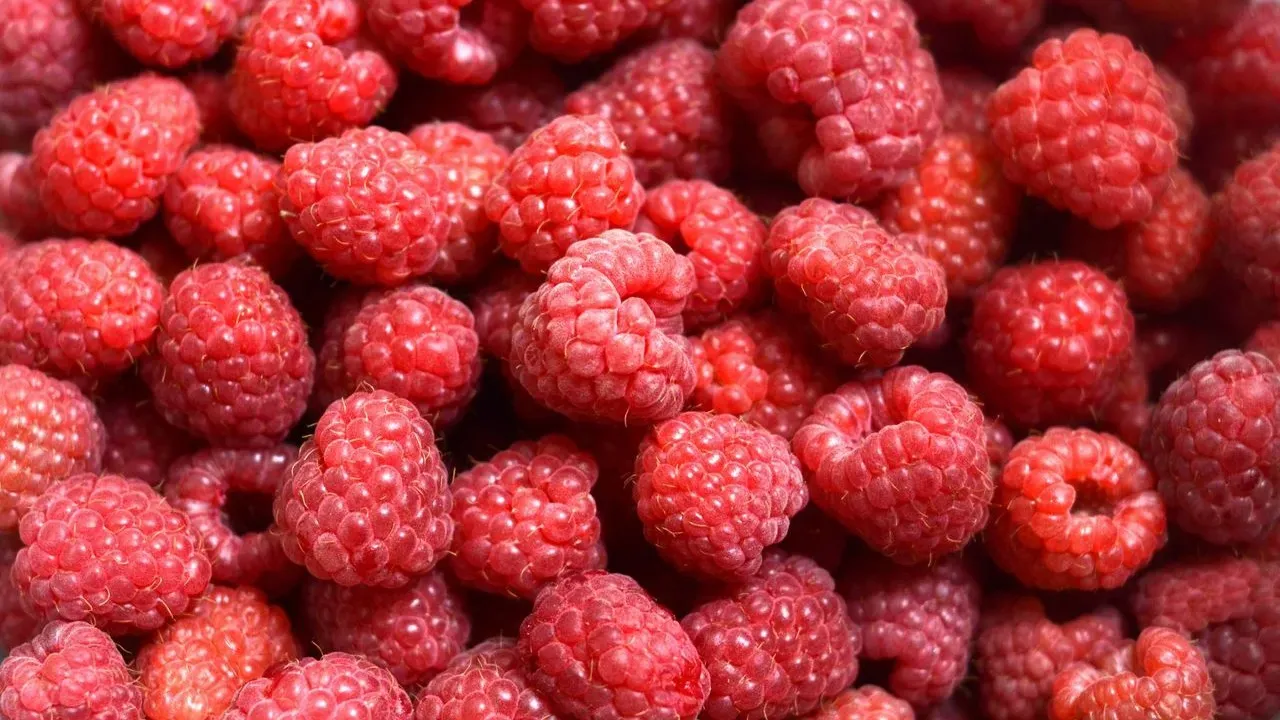

Wild raspberries often appear in overlooked spots near homes, schools, and trails across much of the United States and Canada. Families and individuals who notice them gain access to sweet, flavorful fruit that requires no planting or tending. The experience combines practical harvesting with moments of unexpected freedom during the height of summer.
The Pull of Berry Picking
One parent described the draw of ripe raspberries growing in a school garden that sat empty once classes ended. With no one else harvesting, the berries became an easy target for daily visits with a young child. The act of picking stirred memories of earlier berry hunts in different places and seasons.
Each handful added to a sense of release from routine limits that come with small children. The family left with two pints one afternoon, and the child ate several directly from dirty hands. Such outings turned an ordinary playground into a place of shared satisfaction.
Recognizing Caneberries and Their Cousins
Raspberries belong to the group known as caneberries, which grow on thin woody stems rather than vines. Red raspberries serve as the most familiar type, yet black raspberries offer a deeper, more complex taste that many prefer. Both release easily from their core when fully ripe, leaving the signature hollow shape.
Regional relatives add variety. Thimbleberries grow in certain areas with a soft, velvety texture that turns to mush quickly. Salmonberries appear in the Pacific Northwest, while wineberries have spread through parts of the East after arriving from Asia. Each carries its own color and flavor profile worth sampling on the spot.
Practical Steps for Harvest and Care
Ripeness shows best through taste and easy release rather than color alone, since black varieties start red. Shallow containers such as old baking pans work well to avoid crushing the delicate fruit. Keep picked berries out of direct sun and move them to the refrigerator without delay.
Use or freeze the harvest within a day to prevent spoilage. Fresh berries suit cereal or snacking, while excess can combine with applesauce for simple fruit leather. The thorns on brambles serve as a reminder to stay patient and thorough during the search.
A Classic No-Cook Dessert
Berry fool offers an easy way to turn fresh raspberries into a light treat. The method requires only crushing the fruit with sugar and a splash of liquid, then folding it into whipped cream for a rippled effect. No baking or stove time is involved.
Divide the mixture into glasses and chill briefly if needed. A final drizzle of the remaining fruit puree adds color and brightness just before serving. The same approach works with other soft, juicy berries when raspberries run short.
Why the Season Matters
Wild raspberries reward those who watch for them during peak summer weeks. The fruit supports both immediate enjoyment and longer memories tied to places and people. Foragers who return regularly often find new patches that others pass by without notice.
Respect for the plants and their surroundings keeps the resource available year after year. The simple act of gathering connects people to local landscapes in a direct, satisfying way.
AI Disclaimer: This article was created with the assistance of AI tools and reviewed by a human editor.