

Tension headaches are among the most common complaints people bring to their doctors. That dull, pressing band of pain around the head affects roughly half of all adults worldwide at some point each year, according to the World Health Organization. Yet for many people, reaching for a painkiller is not always the first or only option they want to explore.
What you eat matters more than most people realize. Certain foods carry minerals, fatty acids, and plant compounds that work on the very biological processes tied to head pain, from blood vessel tension to inflammation to nerve signaling. Here are ten foods backed by real evidence that deserve a closer look.
1. Magnesium-Rich Nuts and Seeds
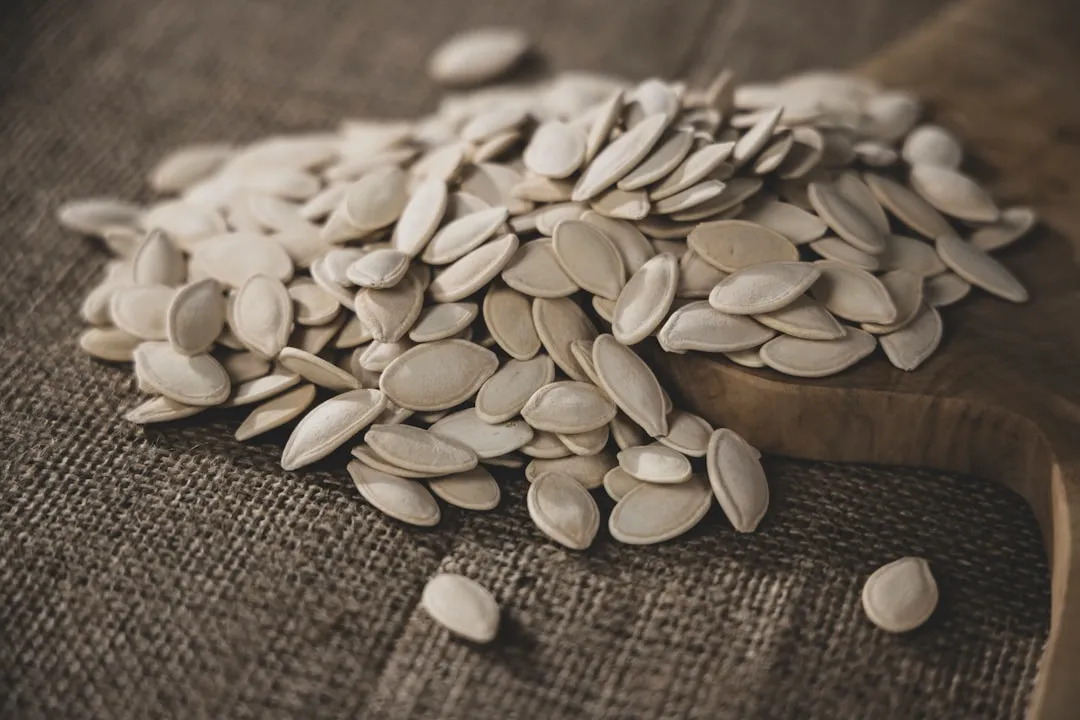
Nuts and seeds are rich in magnesium, a mineral essential for relaxing muscles and reducing headache triggers, with magnesium deficiency linked to both migraines and stress or tension-type headaches. A large body of literature supports a relationship between magnesium deficiency and mild to moderate tension-type headaches, and multiple double-blind randomized placebo-controlled trials have found magnesium to be effective in relieving headaches.
A 2016 meta-analysis of ten randomized controlled trials involving 789 participants found that oral magnesium significantly reduced both the frequency and intensity of headaches. The richest food sources of magnesium include pumpkin seeds, almonds, spinach, cashews, black beans, edamame, dark chocolate, and avocados.
2. Fatty Fish
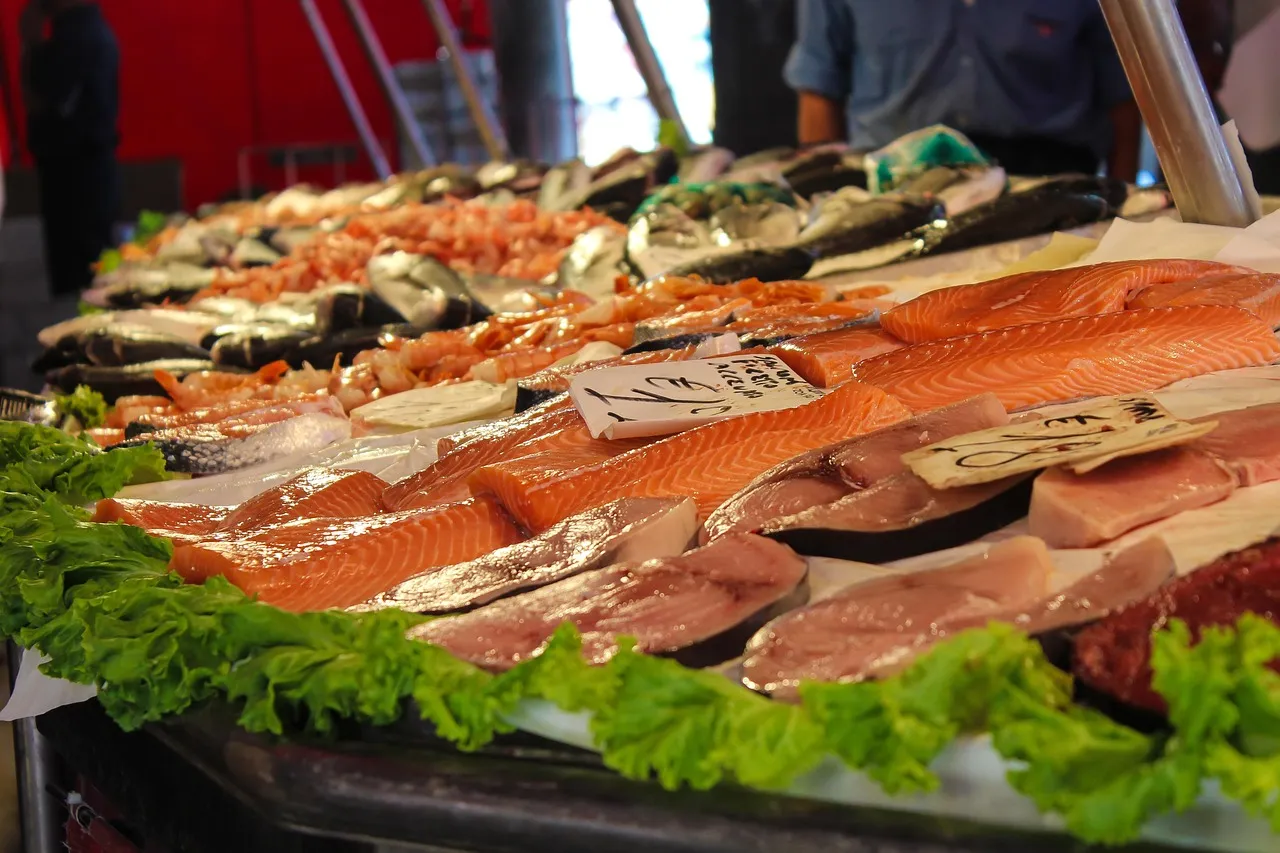
Research from the National Institutes of Health found that eating a diet high in fatty fish containing omega-3 fatty acids, such as salmon and tuna, for at least 16 weeks reduced both the severity and frequency of headaches among migraine sufferers. After those 16 weeks, participants who consumed diets high in EPA and DHA had roughly 30 to 40 percent fewer headache days per month and fewer headache hours per day.
A meta-analysis drawing on fourteen clinical trials involving 1,944 patients found that omega-3 supplementation produced a significant reduction in migraine frequency of nearly two days per month. Fatty fish also supply vitamin D, coenzyme Q10, and B vitamins like riboflavin, all of which support healthy brain metabolism.
3. Leafy Green Vegetables
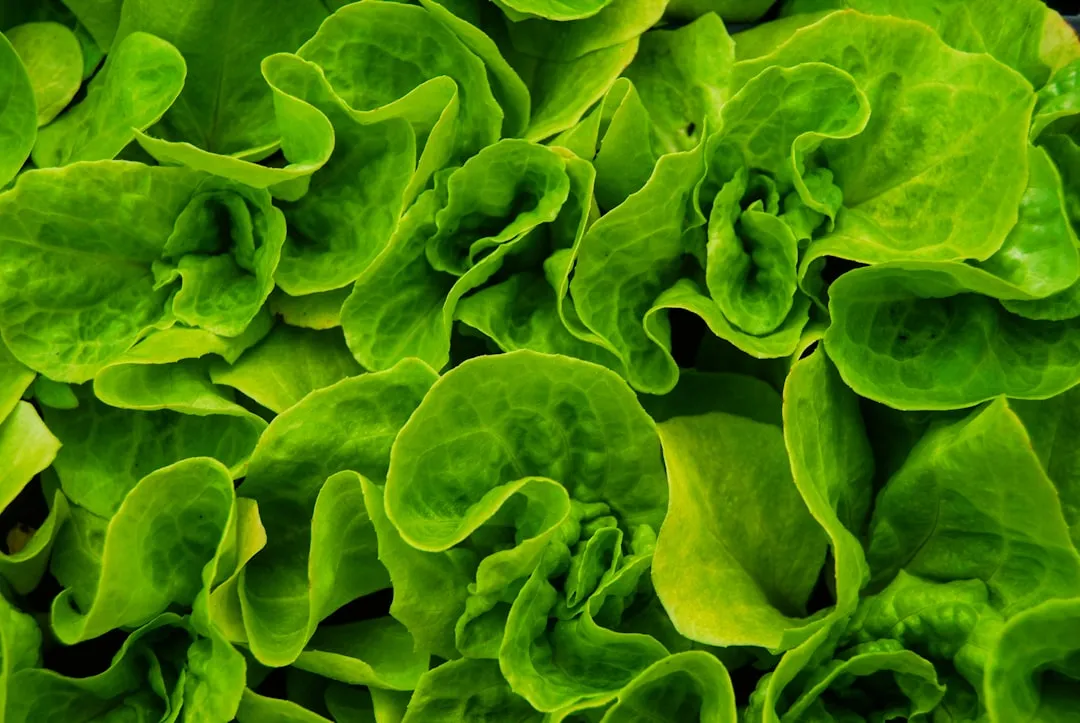
Leafy greens contain various elements that contribute to headache relief, and research has shown that magnesium can reduce migraine pain because many migraine sufferers have low magnesium levels. The Journal of Headache and Pain has also reported that combining folic acid, B6, and B12 reduced migraine symptoms, while the National Headache Foundation reported on a European study showing that vitamin B2 could reduce migraine frequency.
B vitamins help the body generate energy and slow down stress responses, which are key contributors to tension headaches, with riboflavin in particular appearing to have benefits in decreasing headache frequency. Spinach, kale, and Swiss chard cover many of these bases at once, making them genuinely useful, not just nutritional background noise.
4. Ginger
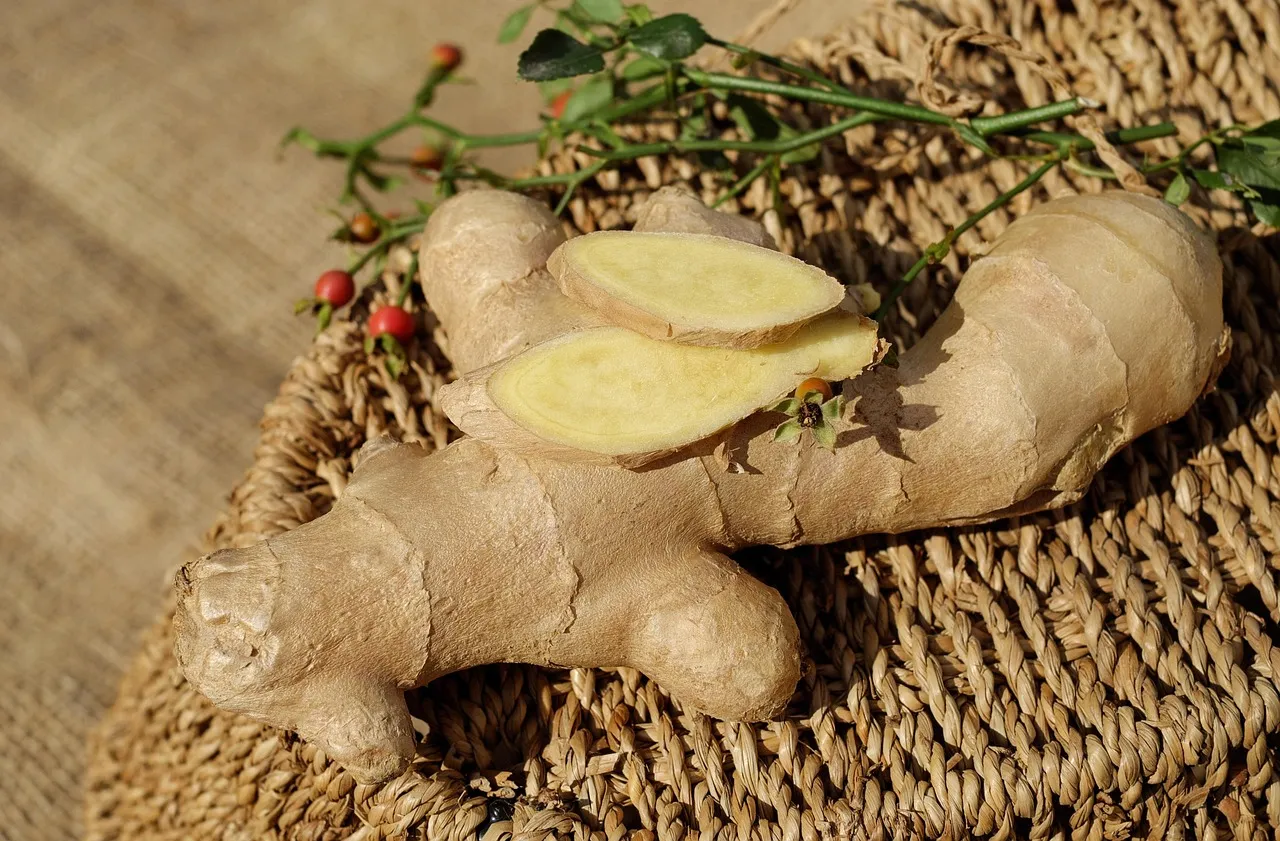
Ginger contains bioactive compounds like gingerol that help reduce inflammation and block prostaglandins, chemical messengers involved in the headache process, making it particularly effective for tension headaches and migraines. A 2014 study found that ginger may be as effective as the migraine medication sumatriptan at relieving headache pain.
Ginger is a natural anti-inflammatory often used to treat nausea and tension headaches, with compounds like gingerols and shogaols easing inflammation and providing quicker relief from symptoms. For people who experience nausea alongside their headaches, ginger offers dual relief by calming the digestive system at the same time.
5. Water and Hydrating Foods

Dehydration can trigger headaches, which is why staying well hydrated can significantly improve headache outcomes. Water-rich foods like cucumber, watermelon, and citrus fruits also help maintain hydration levels throughout the day.
Dehydration is a known trigger for headaches because all of the body’s systems and organs depend on water to perform well. The practical implication here is straightforward: consistent fluid intake, including from food, is one of the simplest and most overlooked tools for managing recurring head pain.
6. Coffee and Black Tea (In Moderation)

Between 100 and 130 milligrams of caffeine, roughly the amount in an 8-ounce cup of coffee, may help ease both migraine and tension headaches. Small amounts of caffeine may help certain types of headaches because blood vessels tend to enlarge before a headache sets in, and caffeine has a natural vasoconstrictive property that narrows those vessels and may counteract the effects.
However, people should be cautious about consuming too much caffeine. Caffeine withdrawal is itself a well-established headache trigger, so the goal is modest, consistent intake rather than a sudden large dose. A single measured cup can help; several across the day may eventually work against you.
7. Peppermint Tea

Peppermint oil applied to the forehead and temples has been found to effectively reduce tension headaches, and peppermint tea made from peppermint leaves has been proven safe, while being high in antioxidants and caffeine-free. Peppermint tea is a popular choice for headache relief, and it may help relax the muscles in the neck and head, reducing tension and alleviating pain.
The National Center for Complementary and Integrative Health notes that chamomile may help with issues such as sleeplessness and anxiety, and its calming effect may, in turn, help with tension headaches. For people who find their headaches are stress-driven, a warm cup of either tea in the afternoon can serve a genuinely practical function beyond simple comfort.
8. Dark Chocolate

Dark chocolate is listed among the richest dietary sources of magnesium. This places it in useful company for headache management, particularly given how many people are deficient in the mineral. Emerging evidence confirms that nearly two thirds of the population in the western world is not achieving the recommended daily allowance for magnesium.
The key with dark chocolate is choosing varieties with a high cocoa content, since these carry the most magnesium with less added sugar. It should be noted that aged or heavily processed chocolate can paradoxically trigger headaches in some individuals, so quality and quantity both matter here. A small portion of high-quality dark chocolate is a reasonable addition to a headache-aware diet, not a cure.
9. Beans and Legumes
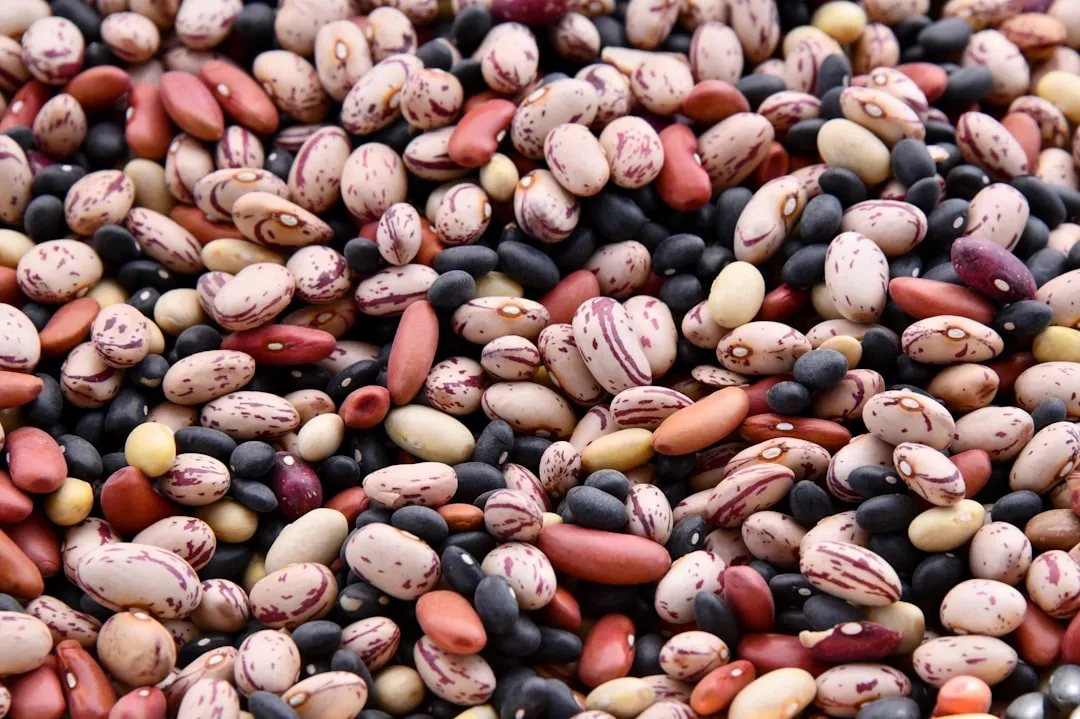
Foods including beans and legumes, along with proper hydration, may help soothe pain once a headache has started. The vitamins and minerals found in these foods may have a positive effect on headaches by preventing, stopping, or soothing symptoms. Legumes like black beans, lentils, and chickpeas are solid sources of both magnesium and B vitamins, two nutrient groups consistently linked to reduced headache burden.
They also stabilize blood sugar, which matters because dips in glucose are a recognized headache trigger for many people. Blood sugar spikes and drops may cause or worsen head pain, and the steady, slow-releasing energy from legumes helps smooth that curve across the day.
10. Salmon and Other Omega-3 Sources
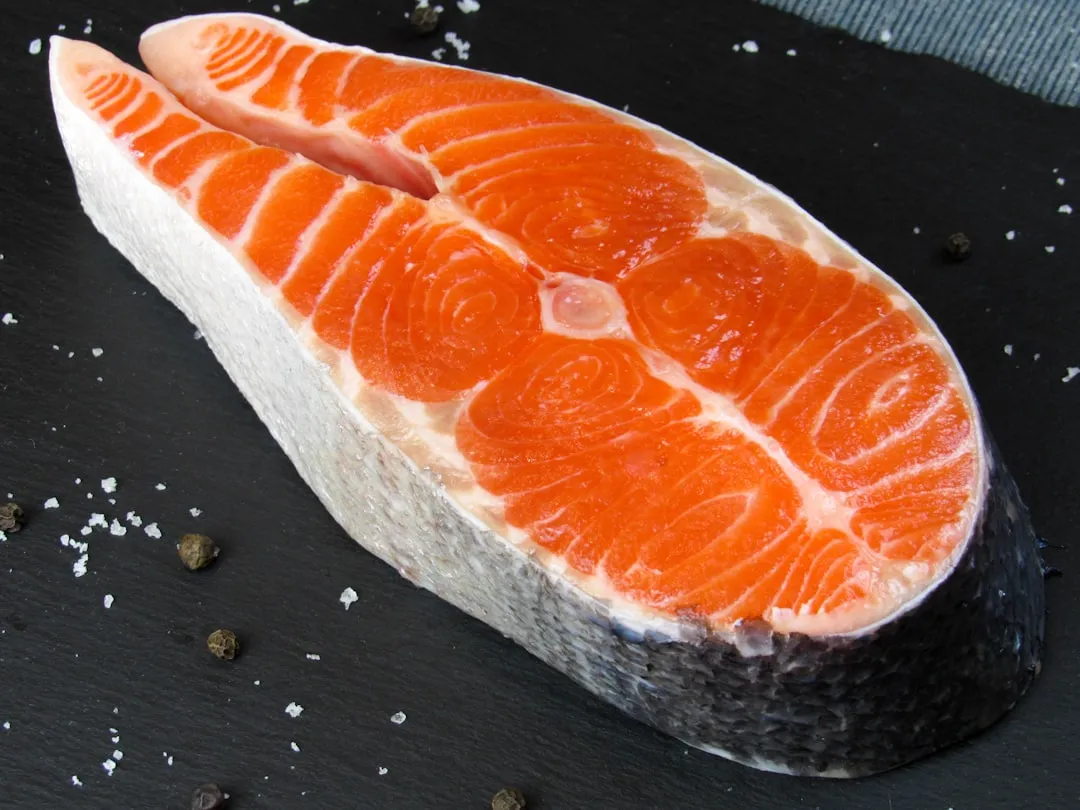
A 2024 meta-analysis revealed that omega-3 fatty acids can reduce the frequency, duration, and severity of migraines and tension-related head pain. Omega-3s can be found in fatty fish like salmon and tuna, as well as in walnuts, chia seeds, flaxseeds, and plant oils such as canola and soybean oil.
A separate meta-analysis provides moderate evidence that fatty acid supplementation, particularly omega-3, improves migraine clinical outcomes. Plant-based sources of omega-3 include chia seeds, walnuts, flaxseed, and algae oil, making this a manageable nutrient to prioritize regardless of whether someone eats fish or not. Regular inclusion across the week is more important than any single serving.
The Bigger Picture
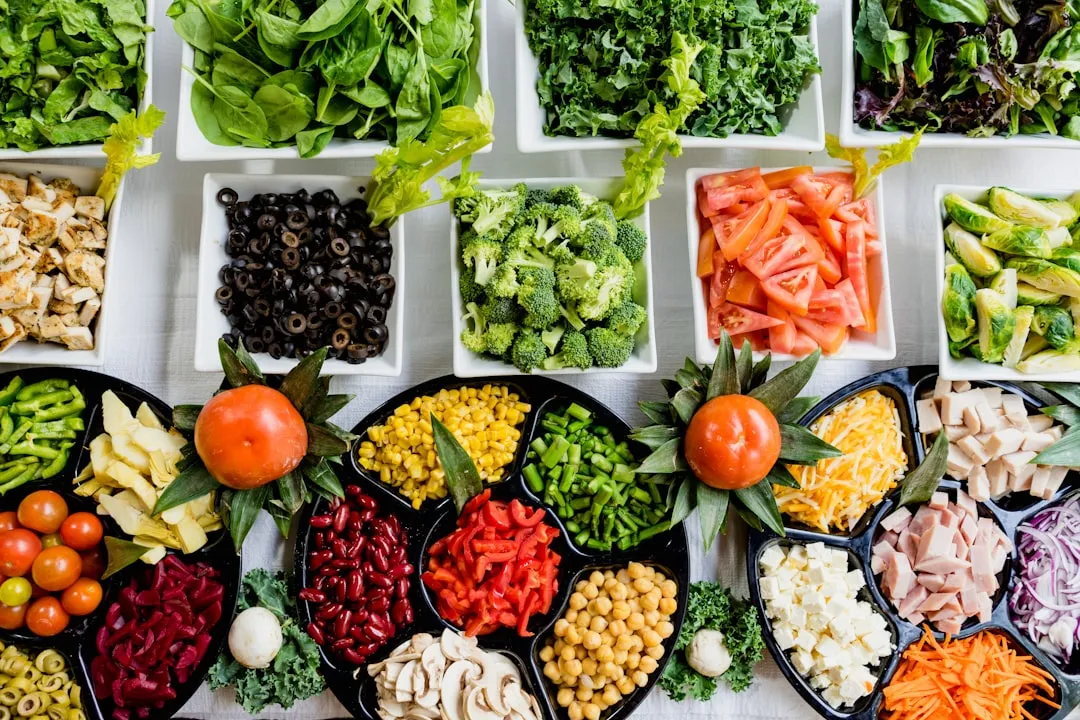
No single food is going to eliminate tension headaches on its own. What the evidence points to, consistently and across multiple research bodies, is a dietary pattern that keeps key nutrients topped up: magnesium, omega-3 fatty acids, B vitamins, and steady hydration. A good overall approach is a balanced diet with a healthy mix of whole grains, fruits and vegetables, lean proteins, and healthy fats from fish and vegetable sources.
The encouraging part is that most of these foods are ordinary, affordable, and easy to work into a regular routine. Think of them less as remedies and more as consistent maintenance. A bowl of spinach, a handful of almonds, a piece of salmon, a cup of ginger tea: none of these are dramatic moves, yet together they address several of the biological pathways known to drive the kind of low-grade, persistent head pain that so many people quietly live with every day.
AI Disclaimer: This article was created with the assistance of AI tools and reviewed by a human editor.