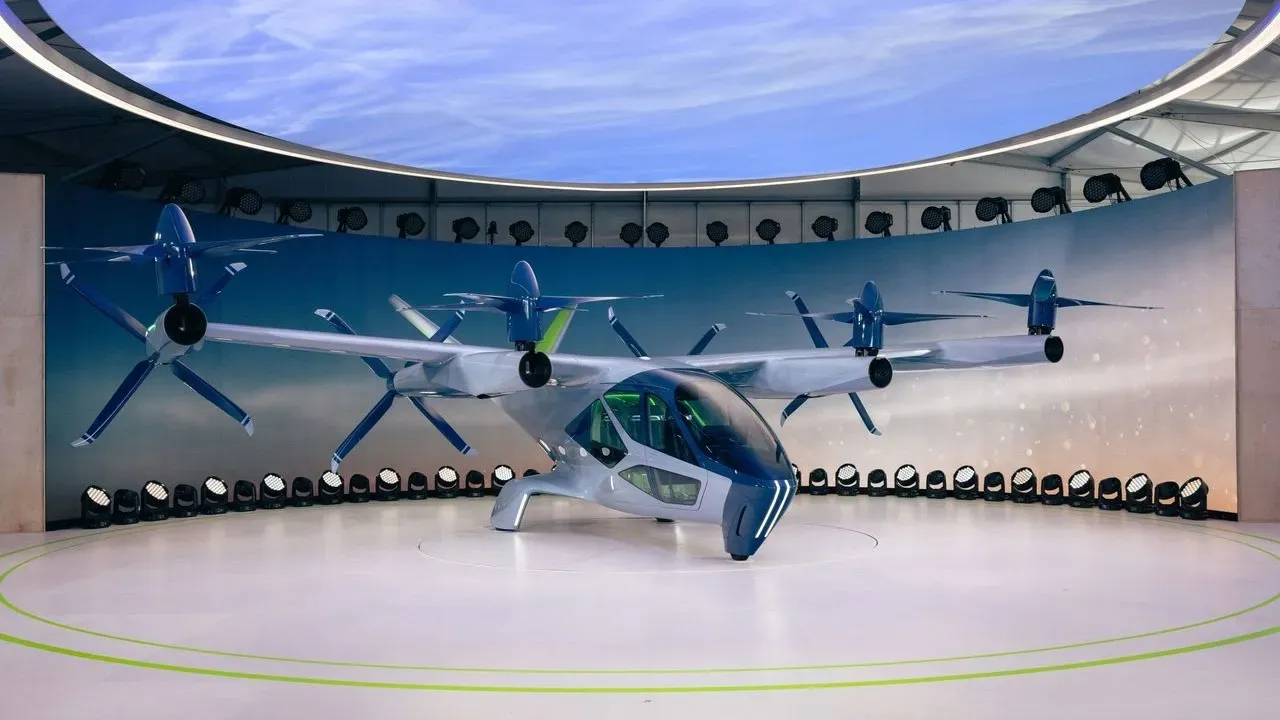

Texas has taken a concrete step toward making air taxis part of everyday travel. On September 10, officials gathered at Fort Worth Alliance Airport to launch the state’s participation in Project Nexus, a federal pilot program testing next-generation aircraft. The event marked the first demonstration of these vehicles in Texas skies and positioned the state as the sixth to join the effort. ([1])
High-Profile Launch at Fort Worth Alliance
U.S. Transportation Secretary Sean Duffy, Sen. Ted Cruz, and Texas Department of Transportation leaders attended the kickoff. The gathering highlighted a new facility that will serve as Joby Aviation’s long-term base for regional operations. A Joby electric air taxi completed a round-trip test flight between Fort Worth Alliance and Dallas Fort Worth International Airport just two days later, with additional flights planned over the Fort Worth Stockyards and other local landmarks.
These early flights carry no passengers. Instead, they collect data on routes, safety procedures, and operational challenges. The tests involve both piloted aircraft and vertical take-off-and-landing models that could eventually serve short-haul trips across the state.
Partners Driving the Effort
The federal government is working with Joby Aviation and BETA Technologies alongside TxDOT to develop service in Dallas, Austin, San Antonio, and later Houston. Fort Worth aviation director Roger Venables has said regular air taxi operations could begin within five years. The companies bring experience in electric aircraft design, while state and local agencies focus on infrastructure such as vertiports and regulatory frameworks.
Project Nexus aims to create a scalable system that links cities, rural areas, and neighboring states. TxDOT executive director Marc Williams described the program as building “a framework for how electric aircraft could one day connect people, goods, and communities across the state.”
Three Phases of Testing
The pilot unfolds in stages over three years. The first phase uses piloted helicopters and fixed-wing planes to validate routes and gather safety data. The second phase shifts to cargo and medical logistics, including the transport of critical supplies or donor organs between hospitals in the Austin and San Antonio regions.
Passenger service arrives in the final phase, with air taxis flying across the Texas Triangle anchored by Dallas-Fort Worth, Austin, Houston, and San Antonio. Officials expect these flights to begin once earlier stages confirm reliable operations.
Looking Ahead to 2029
Sen. Ted Cruz noted that Texas is “pushing the boundaries by testing the next generation of aircraft through Project Nexus.” He added that the technologies will “connect communities, expand access to jobs and services, and strengthen supply chains,” with lessons from Texas shaping aviation nationwide. By 2029, the state’s skies could see air taxis operating alongside today’s drones, turning a once-futuristic idea into a practical option for regional travel.
AI Disclaimer: This article was created with the assistance of AI tools and reviewed by a human editor.