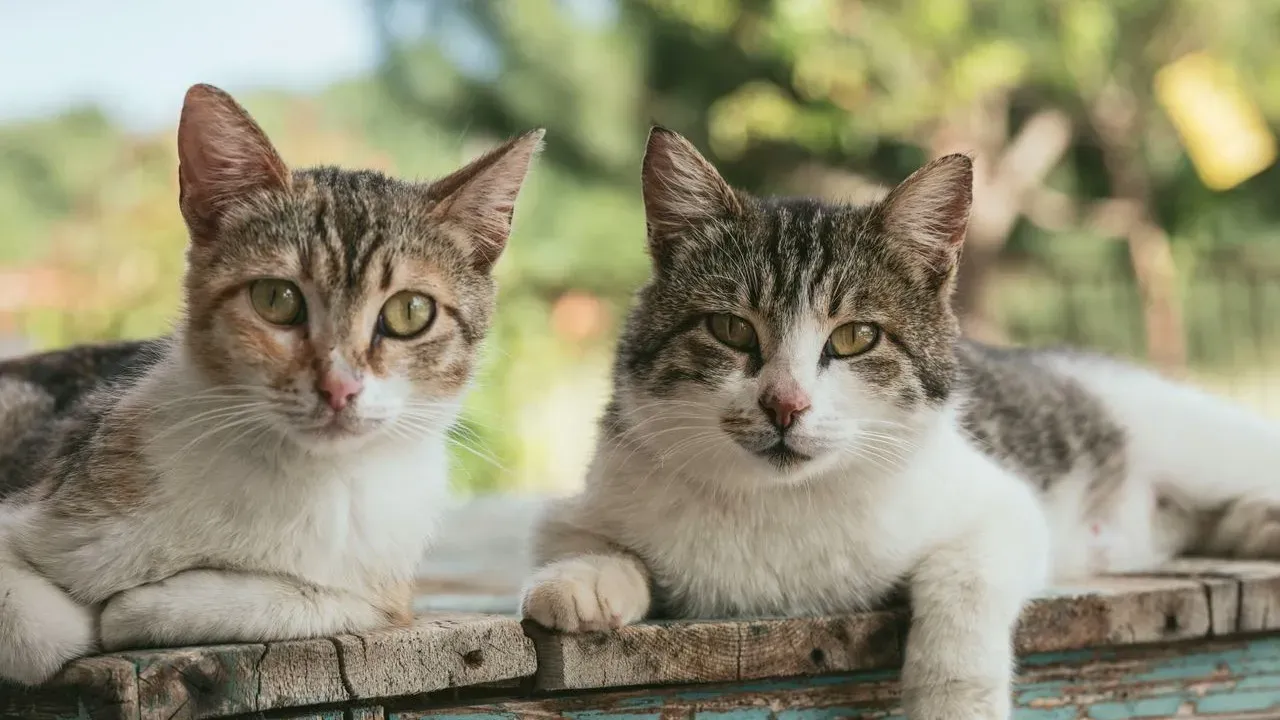

A routine mail route in Florida took an unusual turn when one carrier began collecting stray cats she encountered along the way. Over time the animals multiplied inside her residence until officials counted between 70 and 80 cats living there. Deputies with the Marion County Sheriff’s Office described the scene they found as horrific.
Daily Route Turns Into Rescue Effort
The carrier’s job took her past neighborhoods and rural stretches where feral cats often appeared. She started bringing some of the animals home, apparently hoping to offer them shelter and care. What began as isolated acts of kindness gradually grew into a much larger collection that she could no longer manage. Neighbors eventually noticed signs of distress and contacted authorities. The volume of cats inside the single residence created immediate concerns about sanitation and animal welfare. Deputies arrived to assess the situation and found conditions far worse than expected.
Conditions Inside the Residence
Investigators reported overwhelming odors and visible filth throughout the home. Many of the cats appeared undernourished and stressed by the crowded environment. The sheer number of animals made it difficult for any single one to receive proper attention or space. The carrier had attempted to provide food and basic care, yet the scale quickly outstripped her resources. Waste accumulated faster than it could be removed, and the animals had limited access to clean areas. Officials noted that the living situation posed risks to both the cats and anyone inside the house.
Authorities Step In
The Marion County Sheriff’s Office coordinated with animal control teams to remove the cats. Each animal required individual assessment before transport to shelters or veterinary facilities. The operation took several hours as responders worked to secure the cats safely. The carrier cooperated with investigators during the removal process. No criminal charges were immediately announced, though the case remains under review. Animal welfare groups were notified to assist with placement and medical needs for the large group of cats.
What Matters Now
Cases like this highlight the challenges that can arise when good intentions meet limited capacity. Florida animal control agencies regularly respond to similar situations involving hoarding or overwhelmed caregivers. Proper planning and community resources often determine whether such efforts succeed or spiral out of control. The rescued cats are now receiving care through local shelters. Their long-term outcomes will depend on medical treatment and available adoption placements. The incident serves as a reminder that even well-meaning rescues require support systems to remain sustainable.
AI Disclaimer: This article was created with the assistance of AI tools and reviewed by a human editor.