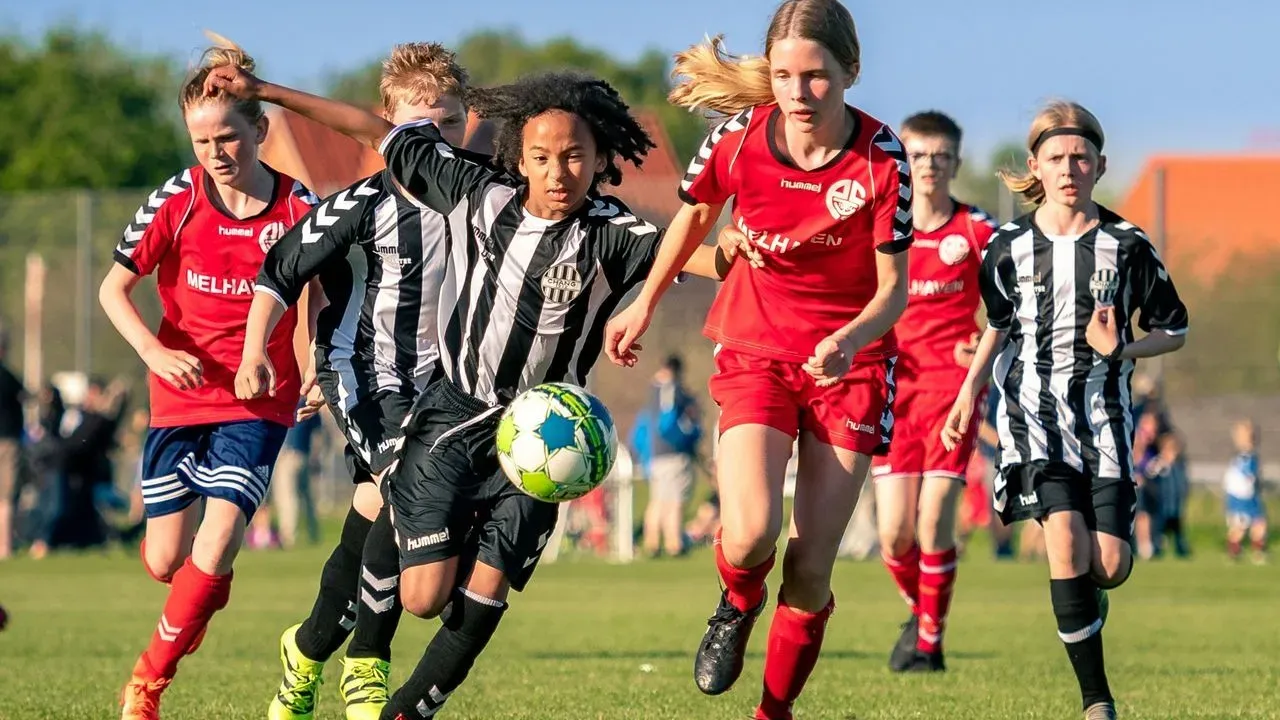

Florida – A local family has described an unusual complaint that escalated to a police response during a youth soccer match. Their three-year-old son was playing in a league that included five-year-olds when other parents reportedly objected to his performance on the field. The incident highlights the intense emotions that can surface even in the youngest age groups of organized sports.
The Reported Incident
According to the family, the child had been participating in games against older opponents and quickly stood out for his skill level. Parents on the opposing side allegedly contacted authorities rather than addressing the situation through league officials. The complaint centered on the toddler being too effective for the age bracket in which he was competing. The family framed the call as an overreaction to a young player simply excelling at the sport. No further details about any official police action or league response have been released publicly. The story has drawn attention because it involves such a young participant in what is typically a recreational setting.
Context of Youth Soccer Leagues
Youth soccer programs often group children by age to ensure fair competition and safety. When a player demonstrates advanced ability, organizers sometimes face questions about placement and eligibility. In this case, the three-year-old was already competing against children two years older, which is uncommon at that stage of development. Such mismatches can lead to frustration among participants and spectators alike. Leagues generally rely on coaches and administrators to manage expectations and maintain a positive environment. The Florida incident illustrates how quickly tensions can rise when results on the field do not align with parental hopes.
Broader Reactions to Early Talent
Stories of exceptionally skilled young athletes frequently spark debate about appropriate competition levels. Some observers argue that standout performers should be allowed to advance, while others emphasize protecting the experience for all children involved. The family’s account suggests the complaint bypassed normal channels and went directly to law enforcement. This approach is rare in youth sports disputes, which more commonly involve discussions with coaches or league boards. The episode has prompted online discussion about sportsmanship and the pressures placed on families with talented children. No charges or formal actions have been confirmed in connection with the reported call. The situation remains a reminder that even the earliest stages of organized play can reflect larger questions about fairness, development, and adult involvement in children’s activities.
AI Disclaimer: This article was created with the assistance of AI tools and reviewed by a human editor.