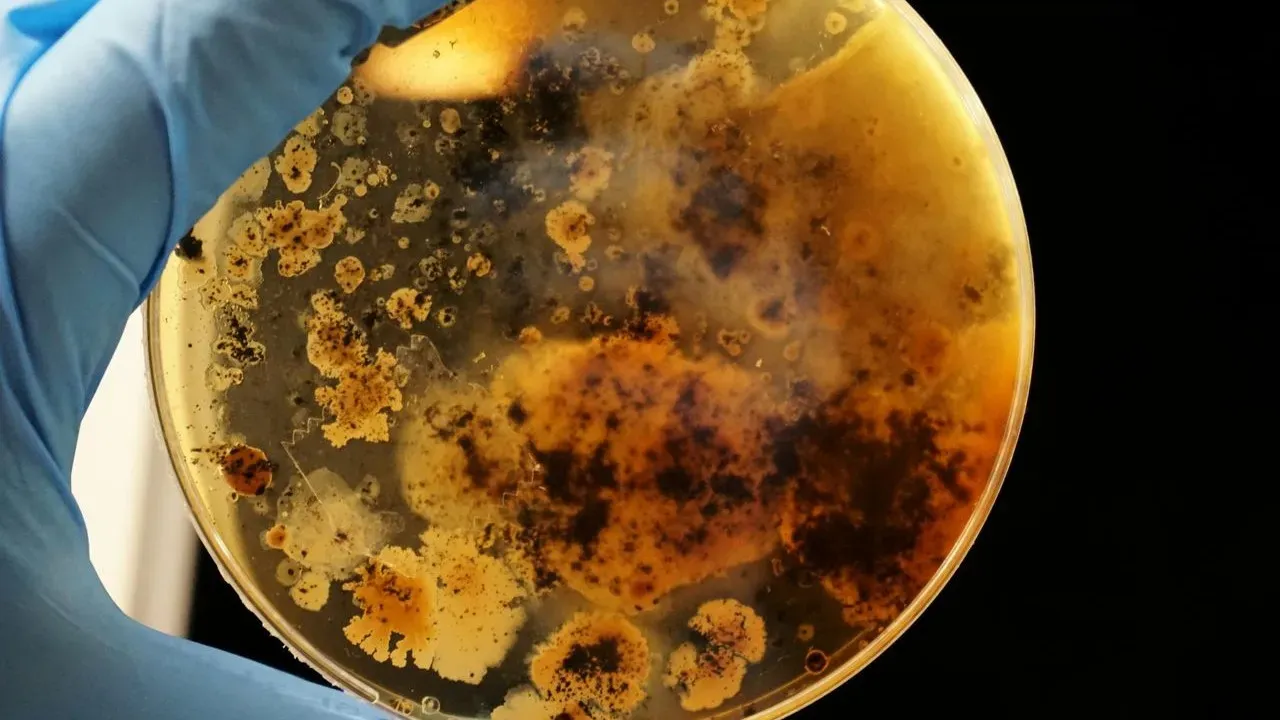

Minor wounds from everyday activities can occasionally serve as entry points for a rare but aggressive infection. Necrotizing fasciitis, commonly called flesh-eating bacteria, moves rapidly once established and demands swift recognition. Public health resources continue to emphasize education on its early indicators and prevention measures. ([1])
How the Infection Takes Hold
Necrotizing fasciitis develops when certain bacteria, often Group A Streptococcus or others found in the environment, penetrate the body through breaks in the skin. These organisms release toxins that destroy soft tissue and fascia, the connective layers beneath the skin. The process can begin within hours of exposure and accelerates without intervention. Individuals with weakened immune systems, diabetes, or recent surgery face elevated risk, though healthy people can also be affected following trauma or even minor abrasions.
Transmission does not occur through casual contact. The bacteria typically enter via cuts, burns, insect bites, or surgical sites. Once inside, they spread along tissue planes, producing enzymes that allow rapid progression. Medical experts stress that the infection is not common, yet its speed makes early awareness essential for anyone sustaining a wound.
Recognizing the Initial Indicators
Symptoms often start subtly and can mimic common illnesses, which complicates prompt identification. Within the first 24 hours, many experience intense pain at the injury site that seems disproportionate to the visible wound. Flu-like sensations such as fever, chills, nausea, and fatigue frequently accompany this discomfort.
Local changes appear next. The affected area may show redness, swelling, and warmth that spread outward quickly. Skin discoloration, ranging from purple to dark hues, can emerge alongside blisters containing fluid. Pain may intensify even as sensation diminishes in some regions due to nerve involvement. These signs warrant immediate medical evaluation rather than home observation.
Progression and the Need for Urgent Care
As the infection advances over subsequent days, tissue death becomes evident through ulcers, black spots, or peeling skin. Systemic effects intensify, including dizziness from dropping blood pressure, confusion, and widespread organ stress. Without rapid surgical intervention and antibiotics, the condition can lead to amputation or worse. Hospitals typically confirm diagnosis through imaging, blood tests, and tissue examination before proceeding to debridement, the removal of infected material.
Recovery timelines vary widely depending on how quickly treatment begins. Survivors often require multiple procedures and extended rehabilitation. Public health agencies note that delays of even a few hours can shift outcomes dramatically, underscoring why any suspicion of these symptoms should prompt emergency attention.
Practical Steps for Protection
Prevention centers on basic wound care and hygiene. Clean any cut or scrape promptly with soap and water, then apply an antibiotic ointment and cover it. Monitor healing closely, especially if redness or pain increases unexpectedly. Those with chronic conditions should consult physicians about additional precautions during activities that risk skin breaks.
Avoiding exposure in high-risk settings, such as warm coastal waters with open wounds, adds another layer of defense. Prompt medical care for any wound that shows signs of infection remains the most reliable safeguard. Health authorities recommend staying current on vaccinations that reduce overall bacterial vulnerability.
Timely awareness of these patterns equips people to act decisively when symptoms align. While the infection stays uncommon, its consequences make vigilance a worthwhile habit for anyone managing everyday injuries.
AI Disclaimer: This article was created with the assistance of AI tools and reviewed by a human editor.