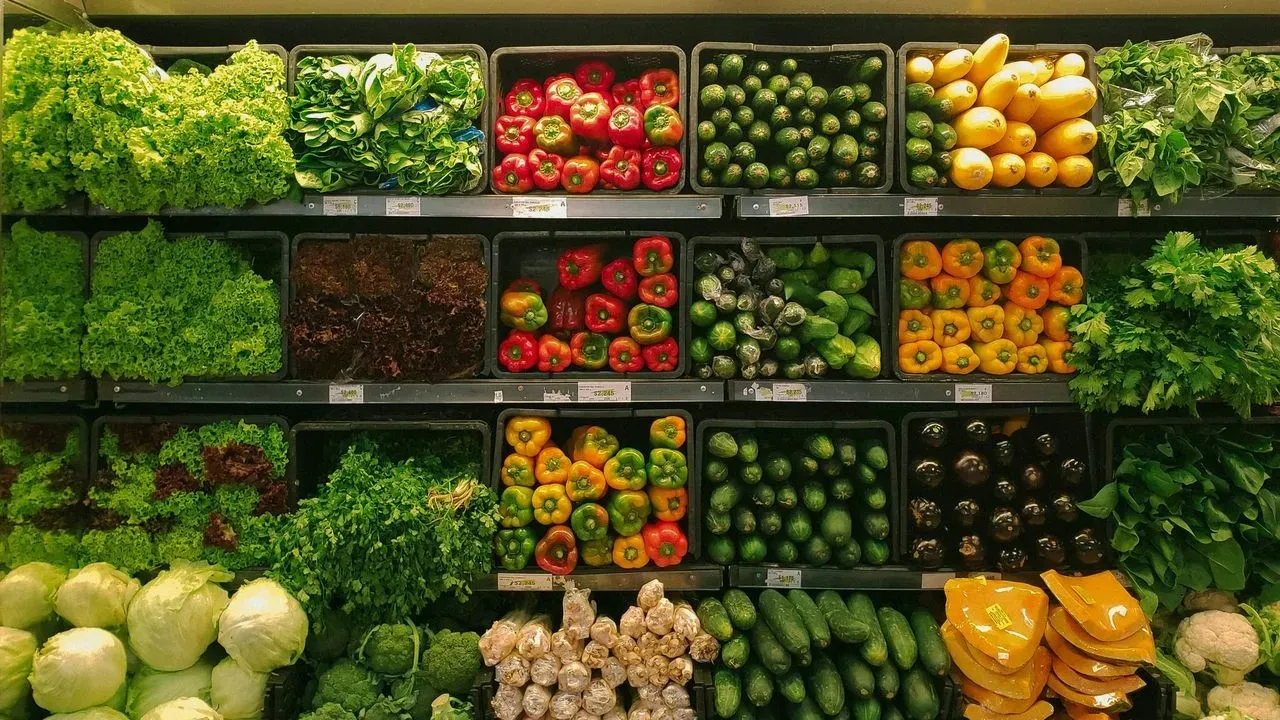

August brought welcome stability to grocery prices, with the food-at-home Consumer Price Index showing no monthly increase and annual inflation easing to 2.2 percent. ([1]) That surface calm offers relief after years of sharp rises, yet it leaves out the upstream pressures already traveling through farms, processors, warehouses and transport networks. Consumers may not feel the full effect for weeks or months, which means the recent numbers give only a partial view of what lies ahead.
August Data Shows Mixed Relief
The flat monthly reading and slower annual pace stand out after repeated price shocks. Lower fruit and vegetable prices helped hold the overall index steady, while other categories still posted gains. Shoppers therefore saw different outcomes depending on the contents of their carts. The broader picture remains one of gradual moderation rather than a complete reversal of earlier increases.
Upstream Costs Already in Motion
Several expense categories have begun rising and are working their way toward store shelves. Higher diesel and crude oil prices increase the cost of moving goods from distribution centers. Industrial electricity rates, long-haul trucking, warehousing and cold-storage fees add further layers. These pressures do not arrive at once; each travels at its own pace through the supply chain.
- Diesel increases affect store deliveries within weeks.
- Warehousing and refrigerated storage costs hit inventory still in the system.
- Farm inputs, fertilizer and harvesting expenses can remain in the pipeline for months.
Pipeline Delays Create a Lag Effect
Retail prices often continue to move even after the original cause of higher costs has faded from view. A refrigerated product may already carry added expenses from harvesting, processing, storage and transport before it reaches a retailer. Each link in the chain must decide how much of those costs to absorb or pass along. Field corn illustrates the point clearly. It enters the food system as animal feed, sweeteners, starches, oils and other ingredients, yet price changes at the farm level take six to twelve months to reach supermarket shelves. As a result, falling commodity prices and rising retail prices can occur at the same time without contradiction.
Industry Restraint Has Limits
Food retailers have operated with average net profit margins of 2.3 percent since early 2020, even as food-at-home prices rose more than 30 percent over the same span. Manufacturers and retailers appear to have held back increases during 2026 in response to consumer pushback and competitive pressure. That approach has softened the impact for shoppers so far. Still, the underlying costs must be covered somewhere in the system, and limited margins leave little room for continued absorption.
Outlook Points to Tighter Conditions
Analysts do not expect a return to the sharp post-pandemic peaks. They do anticipate that food inflation will pick up through the end of the year, with the fourth quarter likely to prove the most inflationary period of 2026. The August calm therefore offers only temporary reassurance. Home cooks and growers watching their own budgets may find that the current stability does not last as long as the headline numbers suggest.
AI Disclaimer: This article was created with the assistance of AI tools and reviewed by a human editor.