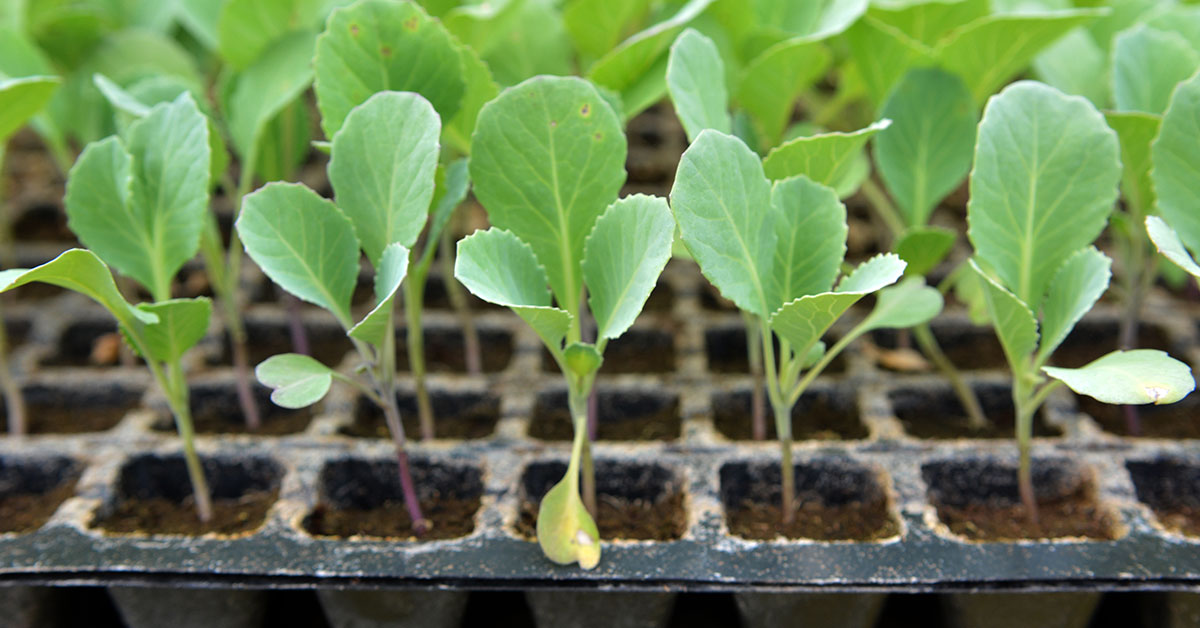

Welcome to the world of gardening! If you are a beginner or even an experienced gardener looking to expand your vegetable repertoire, look no further than Flat Dutch cabbage. This versatile and nutritious vegetable is a favorite among gardeners for its large, flat heads and mild flavor. Whether you want to grow it for fresh salads, coleslaw, or even sauerkraut, Flat Dutch cabbage is a reliable and rewarding crop to have in your garden.
In this article, we will explore everything you need to know about growing, caring for, and harvesting Flat Dutch cabbage, so you can enjoy its delicious and healthy benefits all year round. So grab your gardening tools, put on your gloves, and let’s get started on this exciting gardening journey together!
What is a Flat Dutch Cabbage?
A Flat Dutch cabbage, also known as a Brunswick cabbage, is a popular variety of cabbage that has a distinct flat, round shape. It belongs to the Brassica oleracea species and is a member of the Brassicaceae family. Flat Dutch cabbage is known for its large size and weight, typically weighing between 10 to 15 pounds (4.5 to 6.8 kilograms). The leaves of the Flat Dutch cabbage are a vibrant green color, and they grow tightly packed together to form a dense head. The outer leaves are smooth and have a slightly wrinkled texture, while the inner leaves are more tender and crisp. The texture of the leaves is ideal for both raw consumption and cooking.
The flavor of Flat Dutch cabbage is mild and slightly sweet, making it versatile for various culinary uses. It can be used in a variety of dishes, including salads, stir-fries, soups, stews, and even fermented for sauerkraut. Due to its large size, it can provide an abundant harvest and is often a favorite among home gardeners and commercial farmers alike. Flat Dutch cabbage is a cool-season crop, meaning it thrives in cooler temperatures, ideally between 60 to 70°F (15 to 21°C). It requires well-drained soil that is rich in organic matter. Like other cabbage varieties, it is recommended to plant Flat Dutch cabbage in full sun for optimal growth.
When growing Flat Dutch cabbage, it is important to provide consistent moisture to the plants, especially during hot and dry periods. Regular watering helps to prevent the cabbage heads from cracking and promotes healthy growth. Additionally, applying a balanced fertilizer can provide essential nutrients to support the plant’s development. Flat Dutch cabbage usually takes around 80 to 100 days to reach maturity, depending on growing conditions and climate.
Harvesting is typically done when the cabbage heads feel firm and solid to the touch. To harvest, simply cut the cabbage head at the base of the plant, leaving a few outer leaves intact. When storing Flat Dutch cabbage, it is best to keep it in a cool and humid environment, such as a refrigerator or root cellar, to maintain its freshness and crispness. With proper care, a harvested Flat Dutch cabbage can last for several weeks.
Overall, Flat Dutch cabbage is a versatile and delicious vegetable that can be enjoyed in various culinary preparations. It’s large size and mild flavor make it a favorite among gardeners and cooks who appreciate its versatility and abundance.
What does Flat Dutch Cabbage taste like?
The taste of a Flat Dutch Cabbage can be described as mild and slightly sweet. It has a crisp and crunchy texture, making it great for raw consumption in salads or slaws. When cooked, the cabbage becomes tender and develops a delicate, buttery flavor. It is not overly bitter or pungent, making it versatile for various culinary preparations. The taste of Flat Dutch Cabbage pairs well with a wide range of ingredients and seasonings, allowing it to be used in various dishes such as stir-fries, soups, stews, or even stuffed cabbage rolls.
How to start from seed
Starting a Flat Dutch Cabbage from seed is a relatively straightforward process. Here’s a step-by-step guide to help you get started:
- Seed Selection: Choose high-quality Flat Dutch Cabbage seeds from a reputable supplier or nursery. Look for seeds that are specifically labeled for the Flat Dutch variety.
- Timing: Cabbage is a cool-season crop, so it’s important to start your seeds at the right time. Count backward from the expected date of the last frost in your area, as Flat Dutch Cabbage typically takes around 80-100 days to mature. Start your seeds indoors 6-8 weeks before the last frost date.
- Seed Starting Trays: Fill seed starting trays or small pots with a good quality seed starting mix. Moisten the mix, but make sure it’s not excessively wet or soggy.
- Sowing Seeds: Sow 2-3 Flat Dutch Cabbage seeds in each cell or pot, placing them about a quarter-inch deep. Gently cover the seeds with a thin layer of soil and lightly pat it down.
- Germination: Place the trays in a warm location with temperatures around 70-75°F (21-24°C). Cabbage seeds usually germinate within 7-10 days. Once the seedlings emerge, provide them with adequate light. A sunny windowsill or fluorescent grow lights placed 2-3 inches above the seedlings will work well.
- Transplanting: When the seedlings have developed their first set of true leaves (leaves that look like miniature cabbage leaves), they are ready for transplanting. This usually takes around 3-4 weeks after germination. Harden off the seedlings by gradually exposing them to outdoor conditions over a week.
- Soil Preparation: Prepare the planting area by loosening the soil and incorporating organic matter like compost or well-rotted manure. Cabbage prefers well-draining soil with a pH level of 6.0-7.5.
- Planting: Dig holes in the prepared bed, spacing them around 18-24 inches apart. Gently remove the seedlings from their containers, being careful not to damage the roots. Place each seedling in a hole, ensuring that the soil level remains the same as it was in the container. Firmly press the soil around the seedling.
- Watering and Care: After planting, water the seedlings thoroughly to settle the soil. Keep the soil consistently moist throughout the growing season, but avoid overwatering to prevent root rot. Mulching around the plants will help conserve moisture and suppress weed growth.
- Fertilization: Cabbage plants benefit from regular feeding. Apply a balanced vegetable fertilizer according to the manufacturer’s instructions. Additionally, side dress the plants with nitrogen-rich fertilizer around 3-4 weeks after transplanting.
- Pest and Disease Management: Monitor your cabbage plants regularly for common pests like cabbage worms, aphids, and slugs. Employ organic pest control methods or use appropriate insecticides if necessary. Watch out for diseases such as clubroot, blackleg, and fungal infections. Proper crop rotation and maintaining good garden hygiene can help prevent these issues.
- Harvesting: Flat Dutch Cabbages are typically ready for harvest when the heads reach a solid and compact size, usually around 80-100 days after planting. Use a sharp knife to cut the cabbage heads just above ground level.
By following these steps, you should be able to successfully start and grow Flat Dutch Cabbage in your garden. Good luck!
Planting and growing Flat Dutch Cabbage
Here are the steps for planting and growing a Flat Dutch Cabbage:
- Choose the right time: Flat Dutch Cabbage is a cool-season crop, so it’s best to plant it in early spring or late summer/early fall, depending on your location. Check the average last frost date in your area to determine the appropriate time for planting.
- Prepare the soil: Cabbage grows best in well-draining, fertile soil with a pH range of 6.0 to 6.8. Before planting, work the soil by removing weeds, rocks, and other debris. Incorporate organic matter like compost or aged manure to improve soil fertility.
- Start seeds indoors (optional): If you have a shorter growing season, you can start cabbage seeds indoors 4-6 weeks before the last frost date. Sow the seeds in seed-starting trays or containers filled with seed-starting mix. Keep the soil moist and place the trays in a warm location with plenty of light.
- Transplant seedlings: Once the seedlings have developed several true leaves, they can be transplanted into the garden. Space the seedlings about 18-24 inches apart, with rows spaced 24-36 inches apart. Plant them at the same depth as they were in the seed-starting trays.
- Direct sowing (alternative method): If you choose to sow the seeds directly in the garden, wait until the soil temperature reaches around 50°F (10°C). Sow the seeds about ½ inch deep and thin out the seedlings to the desired spacing once they reach a few inches tall.
- Watering: Cabbage needs consistent moisture to grow well. Water the plants regularly, aiming for about 1 inch of water per week. Avoid overhead watering if possible, as it can promote disease. Irrigate at the base of the plants to keep the leaves dry.
- Fertilization: Cabbage is a heavy feeder and benefits from regular fertilization. Apply a balanced, slow-release fertilizer according to package instructions when transplanting or when seedlings reach the size of a tennis ball. Side-dress with additional fertilizer every 3-4 weeks throughout the growing season.
- Mulching and weed control: Mulch the soil around the cabbage plants with straw or organic mulch to help retain moisture, suppress weeds, and maintain even soil temperatures.
- Pests and disease management: Monitor your cabbage plants regularly for common pests like aphids, cabbage worms, and slugs. Handpick or use organic pest control methods to manage infestations. Additionally, practice crop rotation and proper spacing to minimize the risk of diseases like clubroot and black rot.
- Harvesting: Flat Dutch Cabbage typically takes around 90-110 days to reach maturity. Harvest the heads when they are firm and solid, usually when they reach 6-8 inches in diameter. Use a sharp knife to cut the cabbage heads at the base, leaving a few outer leaves attached for protection.
By following these steps, you should be able to successfully plant and grow Flat Dutch Cabbage in your garden. Good luck!
When to harvest
The best time to harvest a Flat Dutch Cabbage is when the head feels firm and solid to the touch. It usually takes about 80-90 days for a Flat Dutch Cabbage to mature from the time of planting. However, the exact time of harvest can vary depending on growing conditions and personal preference. It is important to monitor the cabbage closely and harvest it before it becomes overgrown or starts to split.