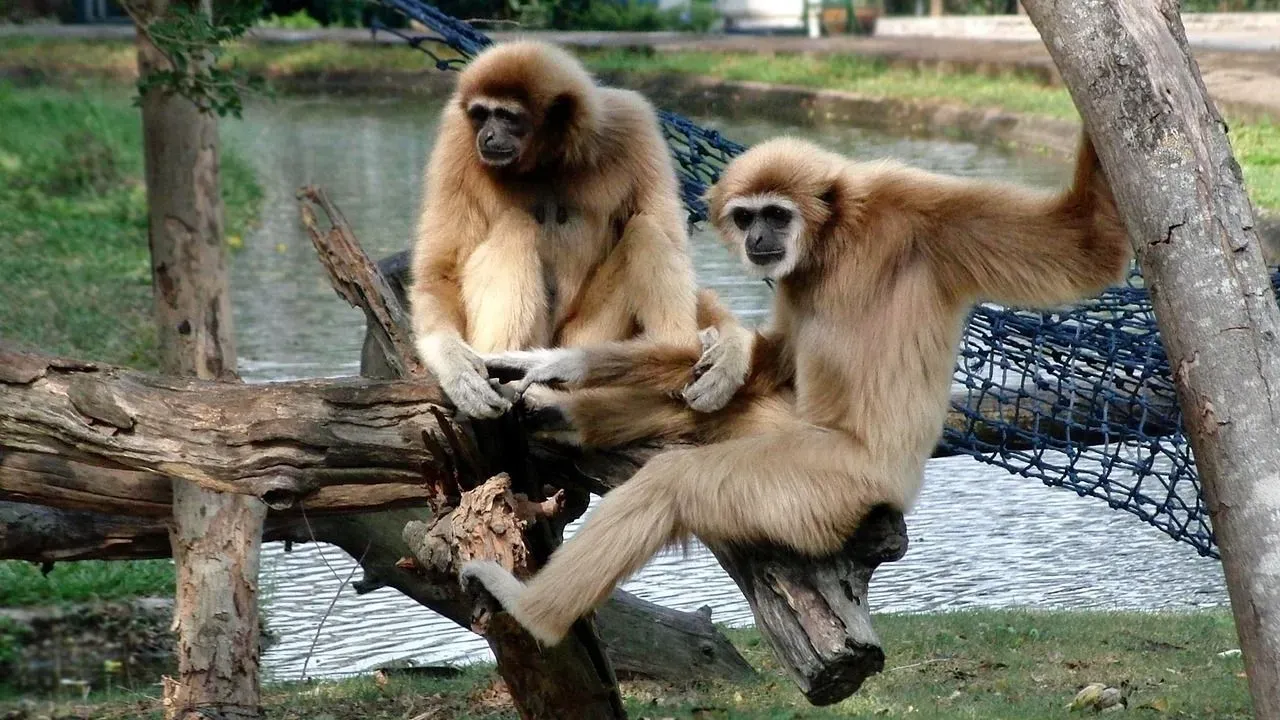

Thanksgiving came with a small surprise in Colorado Springs. The Cheyenne Mountain Zoo announced a new baby lar gibbon, the first offspring for parents Keoki and Holmes, who had never raised a young one before. The baby was born on Nov. 6, but the zoo waited until the holiday to share the news. Keepers say the early weeks have gone well, and the family is now settling into a routine. ([1])
A first-time mother finds her footing
Keoki’s first days as a mother drew attention from the people who care for her every day. Keepers were able to follow her labor overnight on security cameras, and she appeared to know what to do from the start. She began grooming the newborn right away, according to the zoo. Staff say the baby is nursing well, stays close to its mother and appears strong and alert. ([2])
Keoki has not let the new responsibilities crowd out her usual habits. She still joins training sessions, sings what the zoo calls “gibbon duets” with Holmes and comes to her care team for snacks, which gives keepers a chance to check on mother and baby. Joey De Leo, an animal keeper in Primate World, said the team was unsure how Keoki would handle motherhood, and that she has “absolutely amazed us.” Her adjustments are practical as well. The zoo says she shifts her body so the baby can nurse comfortably and find a secure place to cling.
A father keeping a careful distance
Holmes has taken a more reserved role so far. Keepers describe him as curious about the baby, glancing over from time to time while leaving mother and infant alone. That restraint is not unusual for the species. Lar gibbon fathers are known for taking an active part in raising their young, and the zoo expects Holmes to become more involved as the baby grows.
Staff have a reason for that hope. Before arriving in Colorado Springs, Holmes was seen at his previous facility carrying a younger sibling when they were infants. Caretakers are watching to see whether that instinct appears again now that he has a child of his own.
What the zoo has not yet said
Several details remain unknown. The zoo has not determined the baby’s sex, and it has no plans to give the baby a name until that question is answered. Staff have also described signs of growth without offering a timeline for milestones. Zookeepers have watched the baby follow movements with its eyes and head during training sessions with Keoki, and the zoo called those moments encouraging.
Visitors may or may not get a look at the newest gibbon right away. The zoo says the baby’s visibility depends on where Keoki spends her time, so guests should check with the zoo before planning a trip around the family.
- The baby’s sex has not been identified.
- No name has been chosen, and the zoo says it has no plans to name the baby yet.
- Public viewing depends on whether Keoki is in the area where guests can see her.
- Holmes may take on a larger role as the baby gets older.
Why a single birth carries wider weight
Keoki and Holmes both arrived at the zoo in 2025 on a breeding recommendation from the Association of Zoos and Aquariums’ Gibbon Species Survival Plan. The program works to keep gibbons in human care diverse and healthy. Its work also aims to support conservation for wild gibbons. ([2])
Lar gibbons, also called white-handed gibbons, come from tropical forests in Indonesia, Laos, Malaysia, Myanmar and Thailand. The species is considered endangered, which is why each birth in a managed population is closely tracked. A single arrival does not change that picture, but it adds to the numbers that conservation breeding programs depend on. For now, the zoo’s message is simpler: a first-time mother is doing well, a father is learning his role, and a small gibbon is beginning to look around its world.
AI Disclaimer: This article was created with the assistance of AI tools and reviewed by a human editor.