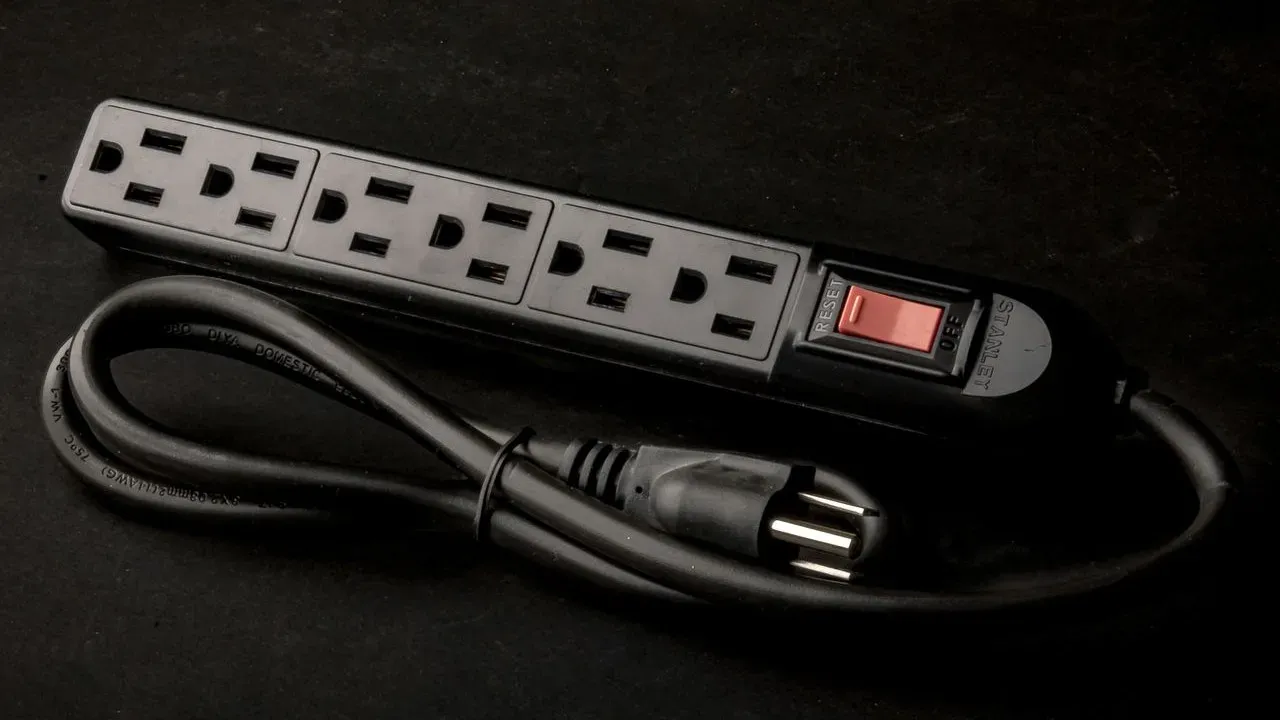

As cooler weather arrives, many households reach for space heaters and other high-demand appliances to stay comfortable. Yet fire officials and university safety offices continue to stress a simple rule: certain devices should connect straight to a wall outlet rather than a power strip. The guidance aims to reduce the risk of overloaded circuits and electrical fires during peak usage seasons. ([1])
Space Heaters Draw Too Much Current
Portable electric heaters rank among the most common items people try to connect through power strips in fall and winter. Safety releases from the Consumer Product Safety Commission and state fire marshal offices explicitly direct users to plug these units directly into a wall outlet. A typical heater can pull 1,000 to 1,500 watts, which often exceeds what standard strips are rated to handle safely.
Running additional devices on the same circuit only adds to the load. Officials recommend checking that the outlet itself is in good condition and avoiding any shared circuits with other major appliances. Following the manufacturer’s instructions remains essential for safe operation.
Refrigerators, Freezers, and Kitchen Appliances
Major kitchen appliances such as refrigerators, freezers, microwaves, coffee makers, and toasters also belong on dedicated wall outlets. These items draw significant power when operating, and a power strip can overheat or fail under the strain. University safety offices list them among devices that power strips are not designed to support.
Placing a refrigerator or freezer on a strip carries an added concern: an accidental switch-off or loose connection could spoil food without warning. Microwaves and toasters create similar risks because of their high current needs during use. Experts advise giving each appliance its own outlet and unplugging smaller units when not in active use.
Air Conditioners and Chained Power Strips
Window or portable air conditioners follow the same principle as heaters. Their motors require steady, high-capacity power that ordinary strips cannot reliably supply. Guidance from multiple safety sources stresses direct wall connections for these units as well.
Connecting one power strip to another compounds the problem by adding more points of potential failure without increasing actual electrical capacity. Fire prevention materials from universities and state agencies prohibit this practice because it raises the chance of overloads and overheating. Each strip should plug directly into a wall outlet rated for the load.
Recognizing Warning Signs and Using Strips Safely
Power strips work well for low-current items such as computers, lamps, and phone chargers when they carry proper certification and overload protection. Users should verify the amp or watt rating on the strip and compare it against the combined needs of connected devices.
Warning signs include unusually warm plugs, cords, or outlets, along with breakers that trip frequently. In those cases, stop using the equipment and consult a licensed electrician. Sparks, buzzing sounds, or burning smells require immediate attention from the fire department. Regular checks help keep household electrical systems reliable through changing seasons.
AI Disclaimer: This article was created with the assistance of AI tools and reviewed by a human editor.