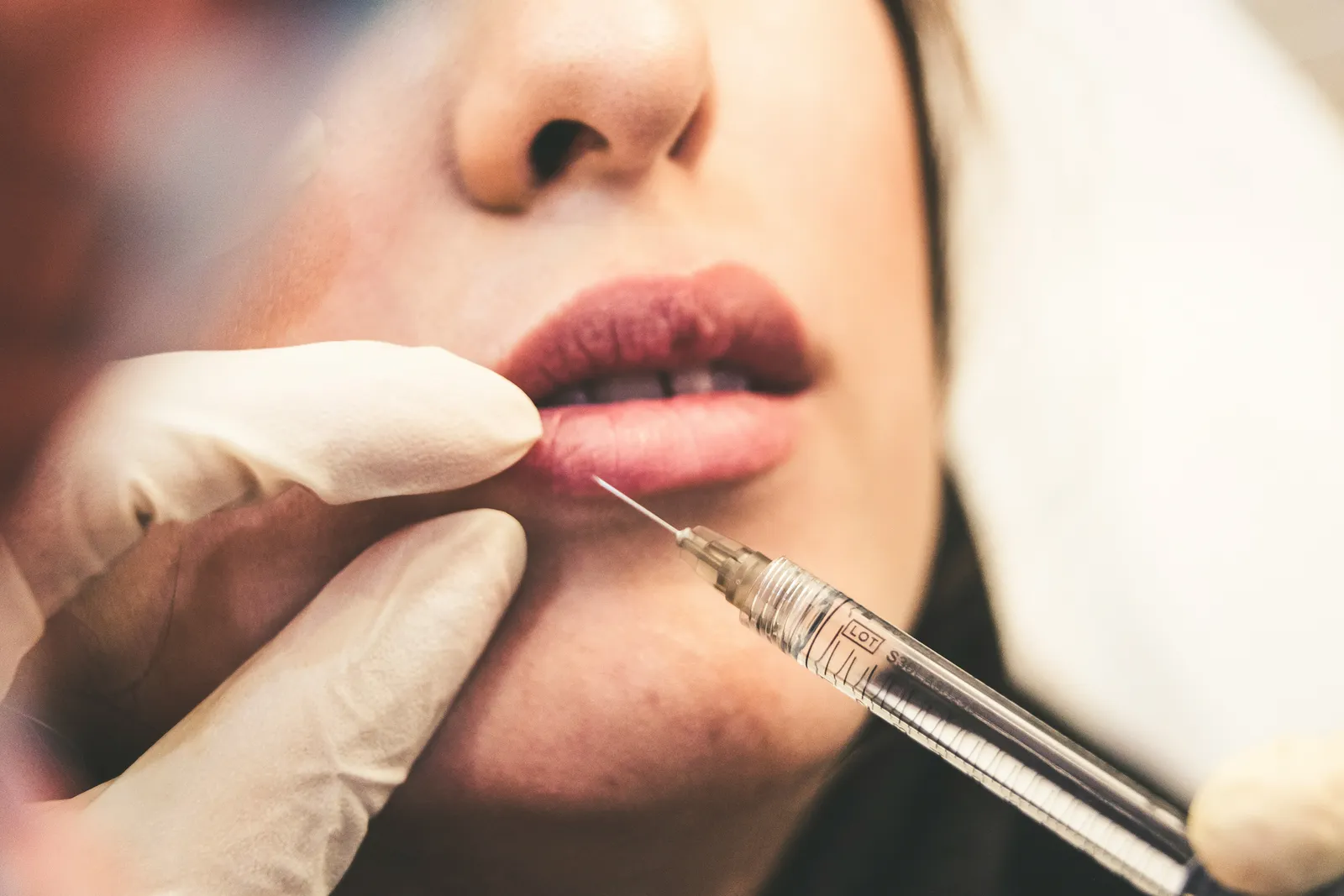

A senior executive at Estée Lauder died suddenly in February after undergoing a cosmetic filler treatment. The cause was a pulmonary embolism triggered by the procedure. Medical experts point to an accidental injection into the bloodstream as the likely trigger for this rare but fatal outcome.
The Incident and Its Immediate Impact
The death has drawn renewed attention to the hidden dangers that can accompany even routine cosmetic procedures. Colleagues and industry observers expressed shock at the sudden loss of a respected leader within one of the world’s largest beauty companies. The case underscores how quickly a seemingly straightforward treatment can turn life-threatening.
Details remain limited, yet the circumstances have prompted internal reviews at clinics and renewed discussions among practitioners about injection protocols. Families and patients alike are left questioning the safety assumptions that surround popular aesthetic treatments.
How the Complication Occurs
Doctors explain that pulmonary embolism in this context typically results when filler material enters a blood vessel instead of staying in the intended tissue layer. Once in the bloodstream, the substance can travel to the lungs and block critical arteries. This pathway explains the rapid and severe nature of the reaction in the reported case.
Such events remain exceptionally uncommon, yet they highlight vulnerabilities in technique and anatomical variation among patients. Even experienced injectors acknowledge that certain facial areas carry higher risks due to their vascular structures. The Estée Lauder executive’s case serves as a stark reminder that no procedure is entirely without hazard.
Raising Awareness of a Rare Danger
Health professionals are urging greater transparency with patients before any filler appointment. Clear discussions about potential complications, including vascular events, can help individuals make informed choices. Clinics are also being encouraged to maintain rigorous training standards and emergency preparedness.
Public health messaging now emphasizes recognizing early warning signs such as sudden shortness of breath or chest discomfort following treatment. Prompt medical attention in those moments can prove decisive. The tragedy has already sparked calls for updated guidelines across the cosmetic medicine community.
What Patients Should Consider
Anyone contemplating dermal fillers should verify the credentials of their provider and ask specifically about vascular safety measures. Understanding personal risk factors, including medical history, adds another layer of protection. Informed consent remains the foundation of safer outcomes.
While most filler procedures conclude without incident, this recent loss illustrates why vigilance matters. Continued education for both practitioners and the public offers the best path forward in reducing such occurrences.
AI Disclaimer: This article was created with the assistance of AI tools and reviewed by a human editor.