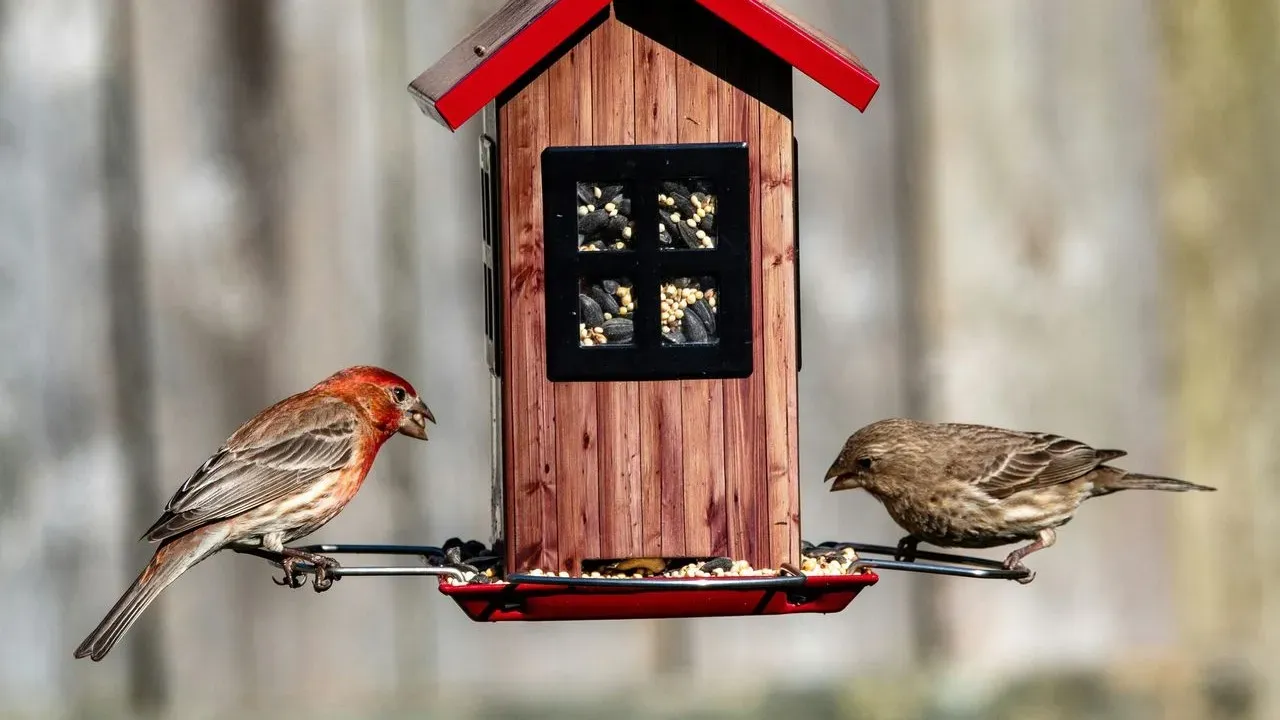

As cooler weather approaches, many backyard bird watchers begin planning how to support local species through the coming months. Starting feeder maintenance toward the end of September, before the first hard frost arrives, gives returning and wintering birds a dependable food source already in place when natural options dwindle. This timing helps maintain steady populations in residential areas where habitat changes have reduced wild forage. ([1])
Why Early Preparation Matters
Birds that remain through winter or migrate back early rely on consistent nutrition to build fat reserves and survive temperature swings. Delaying feeder setup until after frost can leave gaps when insects and seeds become harder to find. Homeowners who act in late September create a reliable station that birds learn to visit regularly.
The practice also reduces competition at natural food sources that may already be stressed by seasonal shifts. By establishing feeders ahead of time, gardeners contribute to a more stable local ecosystem without waiting for visible signs of scarcity.
Selecting Effective Seed Options
Black oil sunflower seed stands out as a practical choice for fall and winter feeders because of its high energy content and thin shell that many species can crack easily. Its popularity among a range of songbirds makes it a versatile base for mixed offerings. Providing this seed early allows birds to adjust their foraging patterns before colder conditions set in.
Storing seed properly in a cool, dry location preserves its quality through the season. Refilling feeders on a regular schedule reinforces the habit for visiting birds and prevents waste from spoiled material left too long in damp weather.
Supporting Local Bird Populations
Consistent feeding through fall and winter helps offset habitat loss from development and changing land use. Species that adapt to backyard stations often show higher survival rates when supplemental food is available during peak stress periods. This support extends beyond individual birds to the broader community of pollinators and seed dispersers that gardens depend on year-round.
Observers note that early setup also encourages repeat visits from the same flocks, making it easier to monitor health and behavior over time. Such patterns provide informal insight into how local wildlife responds to seasonal changes.
Practical Steps for Long-Term Success
Position feeders in sheltered spots that protect seed from wind and rain while remaining visible to birds. Clean stations periodically to limit mold and disease transmission among visitors. Combining these habits with the recommended seed type creates a low-maintenance routine that lasts through spring.
Tracking which species appear most often can guide minor adjustments in placement or quantity without requiring major changes. The goal remains steady availability rather than constant experimentation.
Establishing feeders on this schedule offers a straightforward way to maintain balance in backyard environments as winter approaches. The approach rewards patience with more consistent bird activity and a stronger connection to seasonal cycles.
AI Disclaimer: This article was created with the assistance of AI tools and reviewed by a human editor.