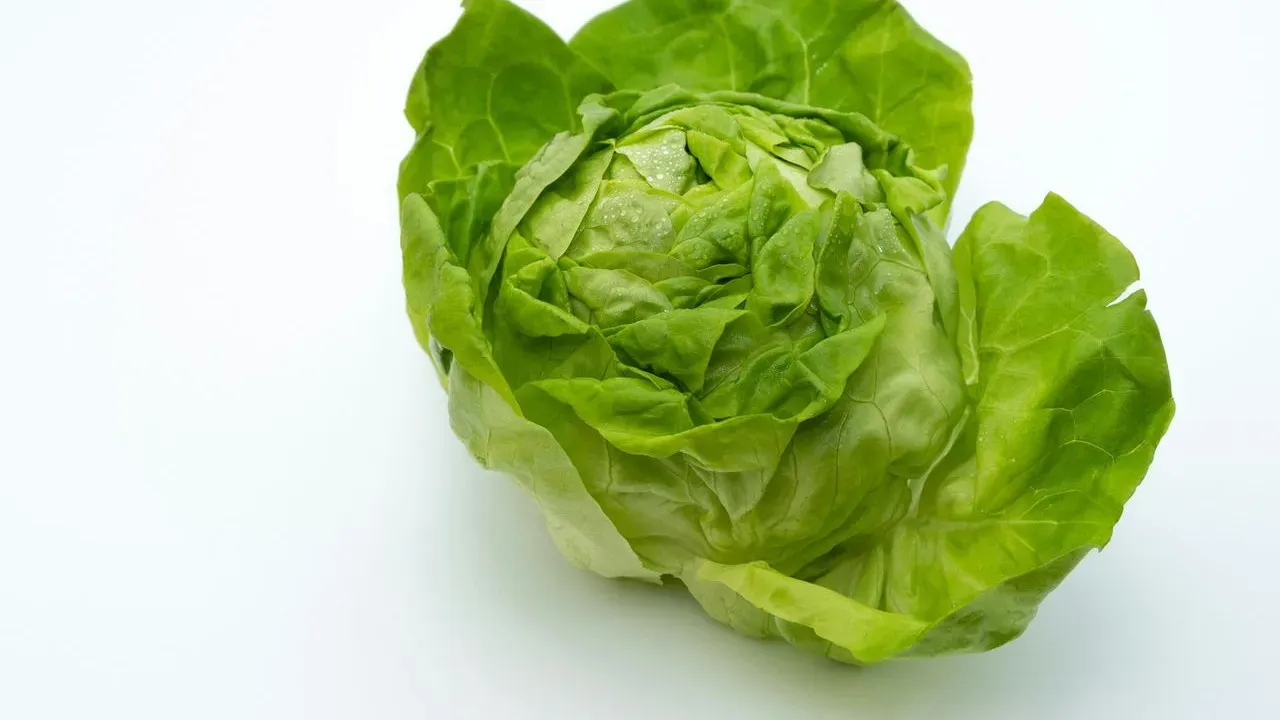

The Food and Drug Administration has confirmed the presence of the Cyclospora parasite at a Taylor Farms lettuce processing facility in central Mexico and at one of its contract grower farms. The finding strengthens the connection to a large summer outbreak that sickened thousands of people across the United States. Public health officials had already tied the illnesses to shredded iceberg lettuce distributed by the company, and the new environmental samples provide additional supporting evidence. The development underscores how quickly contamination in produce supply chains can affect consumers and how regulators work to close those gaps.
Outbreak Timeline and Impact
Illnesses began surfacing in July, with many early cases linked to Taco Bell menu items that contained the implicated lettuce. The Centers for Disease Control and Prevention tracked the outbreak through the summer and declared it over on September 11. In total, health authorities recorded 12,883 confirmed cases, 570 hospitalizations, and two deaths. The scale of the event prompted rapid recalls and investigations that reached back through the supply chain to Mexico. Officials noted that the lettuce in question came from a Taylor Farms operation that supplied multiple restaurant and retail channels.
Inspection Findings in Mexico
FDA investigators, working with Mexican authorities, collected samples of water, soil, sediment, and lettuce at several farms and the central processing facility. Two samples returned positive for Cyclospora. One came from a wastewater tank at the Taylor Farms de Mexico plant, while the second was taken from a drainage ditch on an iceberg lettuce farm identified during traceback work. Genotyping of the positive samples has been completed, though further analysis continues to compare them with specimens from outbreak patients. The agency stated that the results do not yet pinpoint the exact route of contamination but confirm the parasite was present in the growing and processing environment.
Company Actions and Supply Changes
Taylor Fresh Foods has kept the central Mexico facility closed while its research team develops enhanced safety protocols. The independent grower tied to the positive drainage sample is no longer part of the supplier program. These steps reflect the company’s effort to address the specific locations where the parasite was detected. The moves also illustrate how traceback investigations can lead to lasting changes in sourcing relationships for major produce handlers.
Broader Food Safety Context
The case highlights the challenges regulators face when tracing parasites that can persist in water systems and soil. It also shows the value of coordinated inspections across borders when outbreaks involve imported produce. Public health agencies continue to emphasize that strong traceability and environmental monitoring remain essential tools for preventing similar events.
What matters now: The confirmed environmental positives reinforce the need for continued vigilance in produce handling and water management at farms and processing plants. ([1])
The episode serves as a reminder that even widely distributed fresh items carry inherent risks that require ongoing attention from growers, processors, and oversight bodies.
AI Disclaimer: This article was created with the assistance of AI tools and reviewed by a human editor.