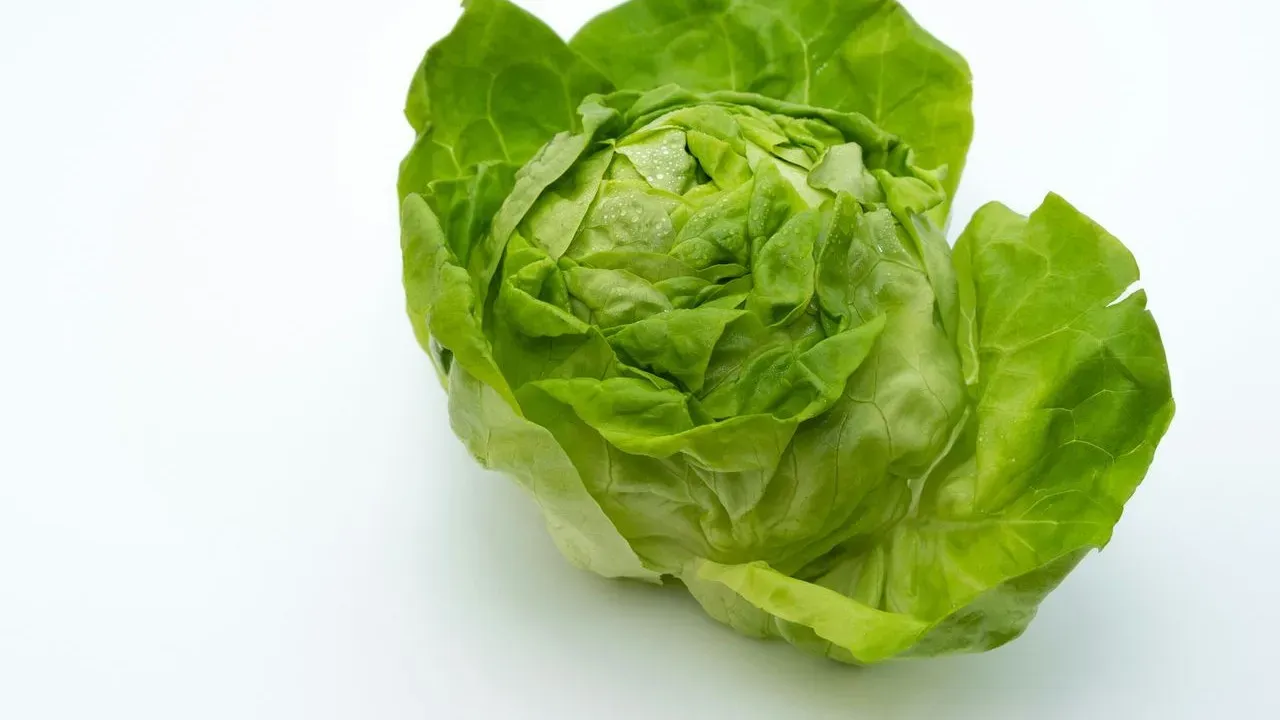

Shoppers who purchased bagged iceberg lettuce or salad kits in recent weeks now face a direct health risk after federal officials linked the products to a widespread Cyclospora outbreak. The confirmation has prompted an immediate recall of items distributed across dozens of states, leaving households and restaurants to check refrigerators and pantries for affected packages before symptoms appear. Public health agencies are urging anyone who may have the recalled lettuce to discard it and monitor for illness.
Recall Scope and Distribution
Taylor Fresh Foods initiated the recall after the FDA identified the parasite in a sample of shredded iceberg lettuce from its supplier in Mexico. The action covers all iceberg lettuce sourced from central Mexico and shipped between late June and mid-July. Products reached both retail shelves and food-service accounts, including multiple Taco Bell locations. Distribution extended to 27 states for food-service customers and 15 states for Marketside-brand items sold at Walmart. The affected states for retail products include Alabama, Arkansas, Florida, Georgia, Indiana, Kansas, Kentucky, Louisiana, Missouri, Mississippi, Oklahoma, Tennessee, Texas, Virginia, and West Virginia. Food-service shipments also reached Connecticut, Illinois, Iowa, Maryland, Massachusetts, Michigan, New Hampshire, New Jersey, North Carolina, Ohio, Pennsylvania, and South Carolina.
Product Details and Shelf Life Concerns
The recalled items include 12-ounce and 24-ounce Marketside Iceberg Salad packages as well as 8-ounce and 16-ounce shredded lettuce bags, all carrying best-if-used-by dates from July 18 through August 3, 2026. Additional food-service blends and chopped lettuce under various brand codes carry similar use-by windows extending into early August. Because the products have a relatively long refrigerated shelf life, many packages may still sit in home refrigerators or restaurant coolers. Consumers are advised to review purchase receipts and packaging dates rather than rely on appearance or smell alone. A full list of lot codes and return instructions appears on the company’s recall notice for food-service buyers.
Outbreak Investigation and Case Counts
The FDA and CDC have tracked a surge in Cyclospora infections that began in mid-June, with state reports showing far higher numbers than the agency’s national tally. Michigan alone recorded more than 5,000 cases and over 100 hospitalizations by mid-July, compared with a typical seasonal total of 40 to 50. Indiana, Kentucky, Ohio, and West Virginia have each reported hundreds of illnesses. The CDC’s count stood at 1,644 confirmed cases tied to Taco Bell exposure across five states as of July 17, though the agency notes its data collection for this pathogen changed earlier in the year. Officials continue to investigate additional clusters in 34 states and believe multiple sources may be involved. The positive sample from Taylor Farms was collected through targeted import testing tied directly to the ongoing probe.
Symptoms, Treatment, and Next Steps
Cyclospora infection typically produces prolonged watery diarrhea that can last weeks without treatment, along with abdominal pain, nausea, fatigue, and dehydration. Symptoms usually begin one to two weeks after exposure. Medical evaluation is required because standard stool tests do not always detect the parasite, and specific antibiotics are needed for recovery. Anyone who has eaten the recalled lettuce and develops symptoms should contact a healthcare provider promptly. Restaurants and retailers have been instructed to remove the products from sale, and Taco Bell has confirmed it is no longer sourcing lettuce from the implicated Mexican operation. The situation underscores the importance of verifying produce origins during peak summer months when imported greens travel long distances before reaching consumers.
AI Disclaimer: This article was created with the assistance of AI tools and reviewed by a human editor.