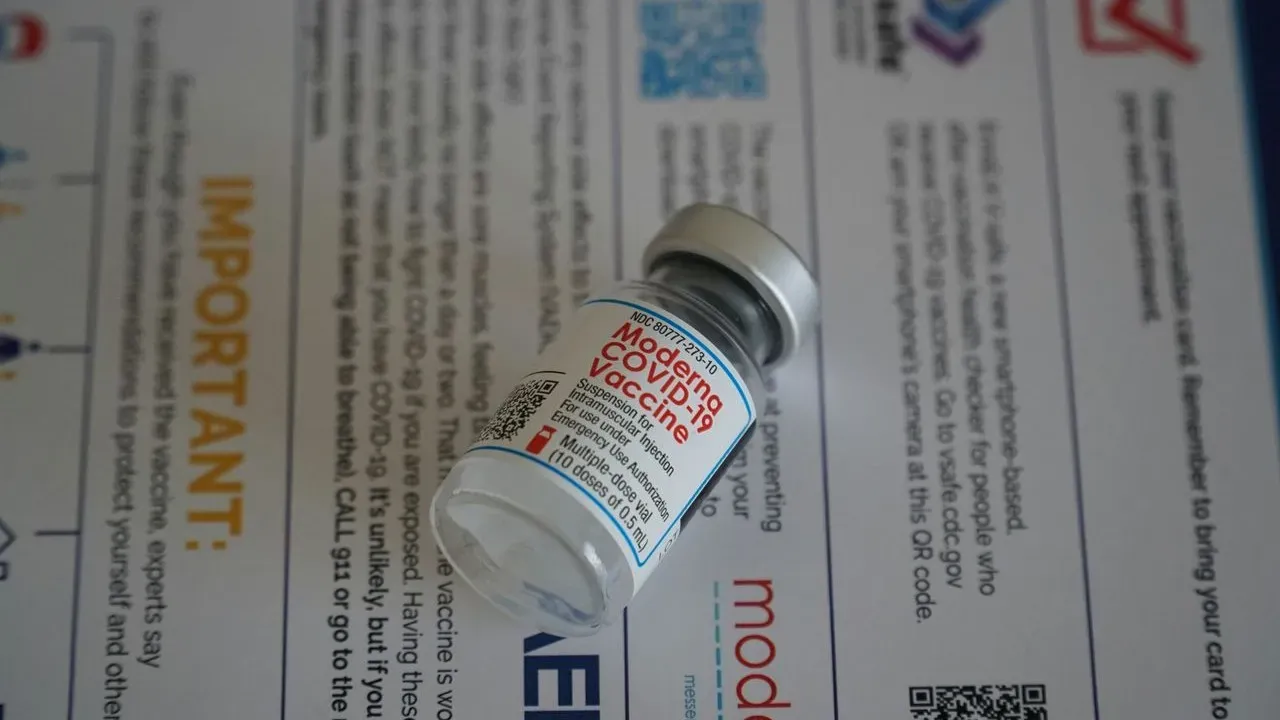

Washington – The Food and Drug Administration has approved an mRNA-based flu vaccine from Moderna, marking the first time this technology has been cleared for seasonal influenza protection in the United States. The product, called mFlusiva, targets adults age 50 and above, a group that faces higher risks from flu complications. Other flu shots are already reaching pharmacies ahead of the fall season, and the company expects limited supplies of the new version to appear at select locations soon.
Why mRNA Technology Matters for Flu
Traditional flu vaccines rely on methods that require growing virus in eggs or cells, a process that can take months. mRNA shots instruct cells to produce a protein that triggers immunity, allowing faster updates when strains change unexpectedly. Experts note this speed could prove useful if the virus mutates in ways that demand rapid reformulation of doses. The approach already proved effective during the COVID-19 response. Applying it to flu adds another tool for a disease that still causes tens of thousands of deaths annually in the United States, with older adults among the most affected.
Evidence Behind the Approval
For adults ages 50 to 64, regulators granted full approval after a trial involving 40,000 participants showed 27 percent fewer flu cases among those who received mFlusiva compared with a standard vaccine. For people 65 and older, the agency issued accelerated approval based on a smaller study that demonstrated a stronger immune response than an existing high-dose option. A larger confirmatory study for the older group remains underway. The data reviewed so far revealed no major safety concerns, though recipients reported typical temporary reactions such as soreness at the injection site, fever, headache, fatigue, and muscle aches at rates somewhat higher than with conventional shots.
How It Fits Among Existing Options
Multiple flu vaccines already exist, including three formulations specifically recommended for people 65 and older. The new mRNA product expands choices rather than replacing them. Its potential edge lies in manufacturing speed and adaptability, which could help public health officials respond more nimbly in future seasons. Moderna developed the vaccine in Cambridge, Massachusetts. The approval followed an earlier disagreement at the FDA that was later resolved, with an independent advisory panel unanimously supporting clearance in June.
Looking Ahead This Season
Health officials continue to urge annual vaccination for everyone six months and older, especially those at elevated risk. The arrival of an mRNA option gives clinicians and patients one more choice as they plan protection before winter respiratory virus activity rises. Additional data from ongoing studies will help clarify how the shot performs in real-world conditions over time.
AI Disclaimer: This article was created with the assistance of AI tools and reviewed by a human editor.