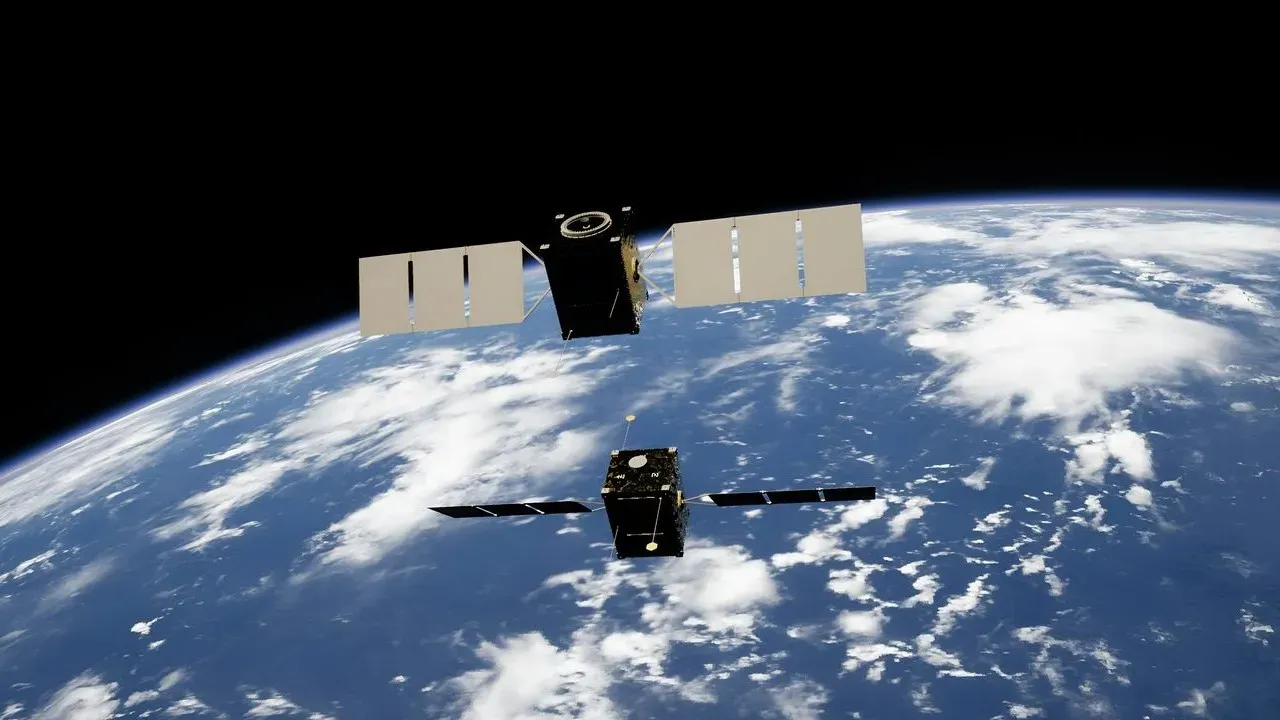

Roughly 11,000 SpaceX Starlink satellites already circle Earth, and the growing network currently has just over 11,000 satellites in space. On Wednesday, the Federal Communications Commission gave the company approval for a far larger fleet with a different purpose. The plan would place up to 1 million satellites in orbit to serve as data centers, a long-discussed goal of Elon Musk’s rocket company. The decision has drawn both enthusiasm and sharp skepticism from researchers. ([1])
A constellation built for computing
FCC Chairman Brendan Carr announced the decision, saying the agency had cleared Elon Musk’s company to put 1 million artificial intelligence computing satellites in orbit. SpaceX calls the network Starmind, and it would consist of orbital compute modules that handle large volumes of information before sending results back to Earth. The FCC said the system would help meet growing demand for AI computing power.
The timeline is far longer than the headline numbers suggest. A lengthier authorization order published by the FCC noted that the company must deploy at least one authorized space station by 2033, then gradually add more through 2040. The agency also made clear that the approval does not let SpaceX launch the full constellation right away, and it left some elements of the proposal unresolved.
Why SpaceX says orbit makes sense
The argument for orbital data centers starts with electricity. Proponents argue that capturing the sun’s energy would ease pressure on power grids and reduce demand for large computing warehouses on Earth, along with the water used to cool them. SpaceX has made a similar case to regulators, saying that uninterrupted sunlight would keep operating and maintenance costs low while easing the environmental strain of ground facilities.
Even so, the company has been candid about the risks. In a regulatory document published ahead of its June public offering, SpaceX warned that launching data centers into orbit depends on technologies that remain unproven, and it said the concept “may not achieve commercial viability.” That caveat sits at the center of the debate, because the idea is promising on paper but has never been tested at anything close to this scale.
Scientists question the physics and the night sky
The sharpest criticism came from scientists who say the physics is the problem. Adam Becker, an astrophysicist and author, called the prospect of launching a million satellites for this purpose “a fantasy.” He added that he does not expect it to happen at all, saying “It’s not going to happen.”
Heat is a central concern. Space is cold, but it is also a vacuum, which means heat does not dissipate easily. Becker pointed to “basic physical limits” to radiating that heat out, and said sending lots of smaller satellites could potentially carry the necessary material combined, but it would be expensive and difficult. He also warned about collisions, saying such crashes could create “a cloud of debris” in the low Earth orbit, where many weather and telecommunication satellites are also found. The FCC, for its part, maintained that SpaceX’s proposed Starmind constellation operates consistently with its orbital debris rules.
Astronomers have raised a separate concern. The American Astronomical Society said it was “disheartened and dismayed” by the FCC’s decision. The group argued that larger, brighter objects would remain visible for longer periods in the night sky. Viasat and Amazon-owned Kuiper Systems also urged the regulator to reject the plan. In March, Amazon described the Starmind project as a “lofty ambition rather than a real plan.” Environmental advocates added that the approval moved forward without environmental review.
Open questions that will shape the outcome
Key points to watch as the project moves forward:
- Whether SpaceX can place its first satellite in orbit by the 2033 deadline
- How heat can be removed from densely packed computing hardware in a vacuum
- How debris and light pollution will be managed as the number of objects grows
- Whether the costs of building and launching modules at this scale can be justified
Musk welcomed the decision on social media, and Carr described the approval as one that “opens a bold new frontier.” The regulatory step is significant, but it is a permission to pursue a plan, not proof that the plan will work. Whether Starmind becomes a working network or remains a long-term ambition will depend on engineering results that have yet to arrive, and on how well the company addresses the concerns raised by the scientists who are paying the closest attention.
AI Disclaimer: This article was created with the assistance of AI tools and reviewed by a human editor.