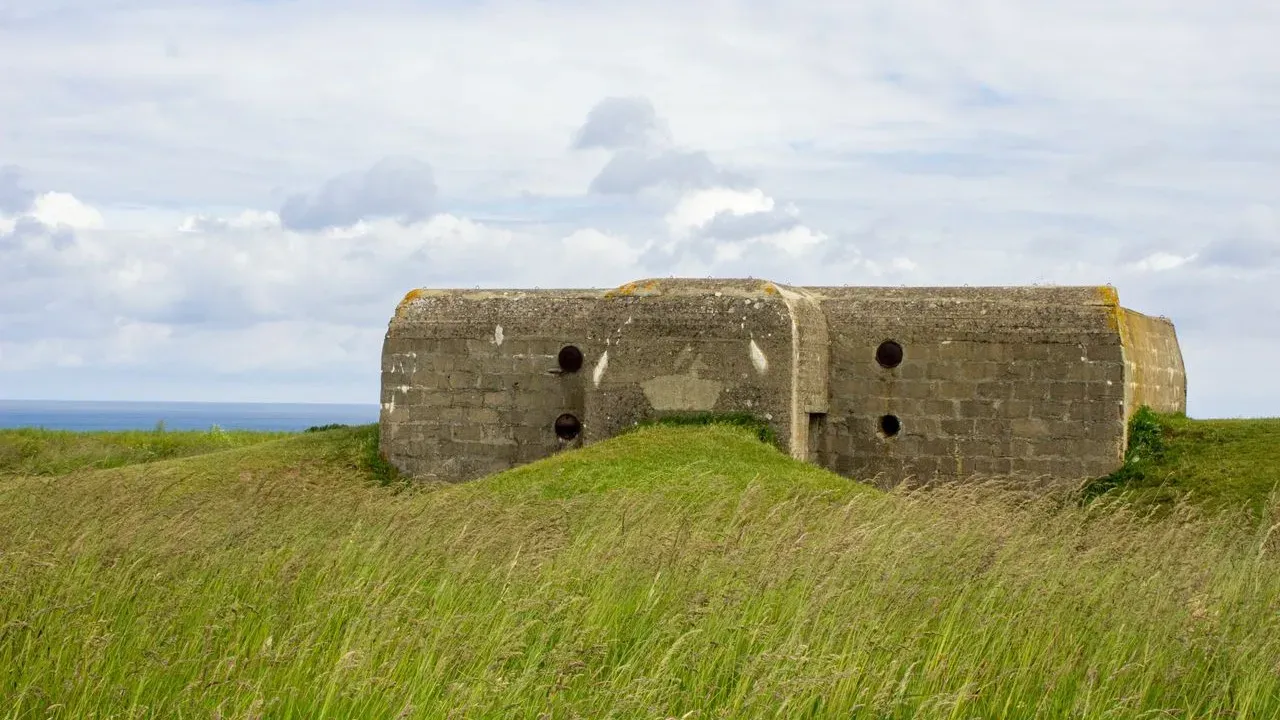

Phoebe Smyrell and her family had lived in their home for twelve years before they decided to remove the old garden shed. The structure had stood on the property long before their arrival, and they gave little thought to what might lie beneath it. Dismantling the shed revealed a hidden World War II bunker that had remained undetected throughout their time there.
The Routine Decision That Changed Everything
Removing an aging garden shed often ranks as a straightforward home improvement task. For the Smyrell family, the project began with practical goals such as clearing space and improving the yard. The work proceeded without any expectation of historical significance until the ground beneath the floorboards came into view.
Once the shed was taken apart, the outline of an underground structure became clear. The bunker had been concealed directly under the shed floor, its entrance effectively sealed from everyday view. Family members described the moment as one of immediate surprise followed by careful examination of the find.
Twelve Years of Unaware Occupancy
The family had used the yard and the shed for more than a decade without any indication of the bunker below. Daily activities continued above the hidden space, including gardening, storage, and general maintenance. The long period of unawareness highlights how ordinary backyard features can obscure significant historical remnants.
Property records and prior ownership details offered no prior warning. The shed itself had served as a simple utility building, its presence masking the concrete and steel construction underneath. This extended timeline underscores the ease with which such sites can remain unnoticed in residential settings.
Context of Wartime Construction
World War II prompted the building of numerous bunkers and shelters across affected regions for protection during air raids and military operations. Many of these structures were later abandoned, filled in, or built over as postwar development took place. The discovery under a garden shed fits a pattern in which wartime installations blend into later civilian landscapes.
Local authorities and historical groups sometimes document such finds to update records of wartime infrastructure. In this case, the bunker adds a tangible link to mid-twentieth-century events that shaped communities far beyond the immediate conflict zones. Preservation decisions now rest with the family and any relevant officials.
Next Steps for the Property
The family faces choices about whether to document, secure, or repurpose the bunker space. Professional assessment can determine structural integrity and any safety considerations before further action. Such discoveries occasionally lead to modest public interest or educational value without disrupting daily life.
Residents in similar situations have found that early consultation with heritage organizations helps clarify legal and practical options. The Smyrells’ experience serves as a reminder that routine property work can intersect with deeper layers of local history.
AI Disclaimer: This article was created with the assistance of AI tools and reviewed by a human editor.